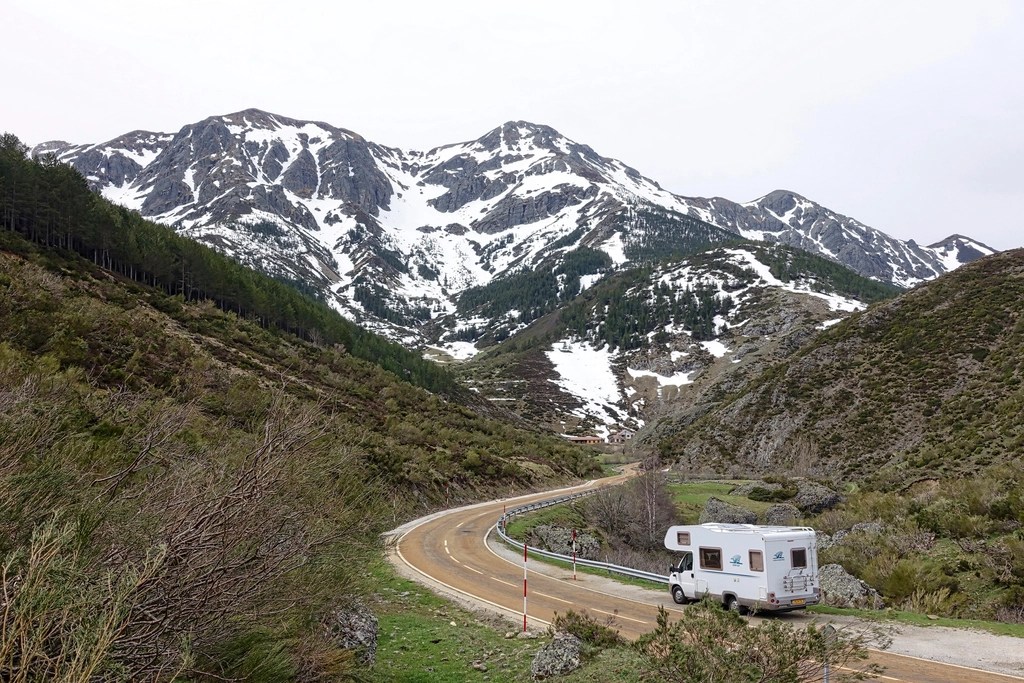
Owning an RV is a dream for many—the open road, freedom to explore, and a home on wheels. But as exciting as RV life can be, it comes with its own set of challenges. Whether you’re new to RVing or have been on the road for a while, mistakes happen. The good news? Most of these mistakes are avoidable with a little knowledge and preparation. In this blog, we’ll cover common RV pitfalls and how to steer clear of them.
Introduction to RV Life
RVing is all about adventure, flexibility, and embracing the RV lifestyle. However, owning and operating an RV isn’t as simple as driving a car or planning a regular vacation. There’s a learning curve involved, and mistakes can lead to stress, unexpected expenses, or even safety hazards. By understanding beginner RV tips and how to avoid them, you can make your RV experience smoother, safer, and more enjoyable.
Let’s dive into the most common RV mistakes and practical ways to avoid them.
1. Overpacking Your RV
The Mistake: Many new RV owners try to bring everything from home. It’s easy to forget that RVs have weight limits. Overloading your RV can lead to tire blowouts, reduced fuel efficiency, and even mechanical damage.
How to Avoid It: Start by understanding your RV’s Gross Vehicle Weight Rating (GVWR). Weigh your RV at a truck stop or weigh station after packing to ensure you’re within the limit. Pack only essentials and invest in lightweight, multipurpose items. Regularly assess what you truly need on the road and remove unnecessary items.
2. Not Checking Your Tires
The Mistake: Neglecting to check tire pressure and condition before hitting the road can lead to dangerous blowouts.
How to Avoid It: Make tire checks a routine part of your pre-trip inspection. Use a quality tire pressure gauge to ensure tires are inflated to the manufacturer’s recommended levels. Inspect for cracks, wear, or damage, and replace tires as needed. Investing in a tire pressure monitoring system (TPMS) can add an extra layer of safety.
3. Misjudging RV Height and Width
The Mistake: Forgetting how tall or wide your RV is can result in costly accidents, such as hitting bridges, overpasses, or tree branches.
How to Avoid It: Measure your RV’s height and width, including any rooftop accessories like air conditioners or antennas. Write these dimensions down and keep them visible in your RV. Use navigation apps designed for RVers, such as RV LIFE, CoPilot GPS, and Togo RV. These apps provide RV-friendly routes, avoiding low bridges, narrow roads, and weight-restricted areas, ensuring a stress-free drive., which provide routes that accommodate your vehicle’s size.
4. Skipping Regular Maintenance
The Mistake: Ignoring routine maintenance can lead to breakdowns and expensive repairs.
How to Avoid It: Follow your RV’s maintenance schedule as outlined in the owner’s manual. Regularly inspect and service key systems, including the engine, brakes, plumbing, and electrical components. Don’t forget to clean and inspect the roof to prevent leaks. Keeping a maintenance log can help you stay organized.
5. Not Leveling Your RV Properly
The Mistake: Parking on uneven ground without leveling can lead to discomfort and damage to your RV’s appliances.
How to Avoid It: Invest in a good set of leveling blocks or an automatic leveling system. Use a bubble level to check if your RV is even. Always level your RV before extending slide-outs or using appliances like the refrigerator. Uneven positioning can cause the refrigerator to operate inefficiently or even fail over time, as many RV refrigerators rely on gravity to circulate coolant. Persistent unevenness may lead to costly repairs or replacement.
6. Overestimating Your Driving Skills
The Mistake: Driving an RV is very different from driving a car. Overconfidence can lead to accidents, especially in tight spaces or bad weather.
How to Avoid It: Take an RV driving course to build confidence and learn how to handle your vehicle. Practice in empty parking lots before hitting the road. Always plan your route, taking into account road conditions and size restrictions. Go slow and don’t rush.
7. Forgetting to Secure Items Inside
The Mistake: Unsecured items can shift or fall while driving, leading to broken belongings or injuries.
How to Avoid It: Secure all loose items before every trip. Use non-slip mats, storage bins, and bungee cords to keep things in place. Double-check cabinets and drawers to ensure they’re latched shut.
8. Neglecting the RV Battery
The Mistake: Running the battery down or failing to maintain it can leave you stranded without power.
How to Avoid It: Regularly check your battery’s charge and water levels (if applicable). Use a multimeter to test its health. Disconnect the battery if your RV will be in storage for a while, or use a trickle charger to maintain it. Remember, the battery powers many essential systems in your RV, including lights, water pumps, and even appliances like the refrigerator when you’re not connected to shore power. Keeping it in good condition is crucial for a comfortable trip.
9. Ignoring Campground Rules
The Mistake: Disregarding campground etiquette, such as quiet hours or proper waste disposal, can upset fellow campers.
How to Avoid It: Familiarize yourself with the rules at each campground you visit. Respect quiet hours, keep your campsite clean, and properly dispose of waste. A little courtesy goes a long way in creating a positive camping experience for everyone. Ignoring these rules not only disrupts others’ enjoyment but can also result in fines or being asked to leave. Always remember that campgrounds are shared spaces, and fostering mutual respect makes everyone’s trip better.
10. Failing to Plan for Emergencies
The Mistake: Many RVers hit the road without a plan for emergencies, such as breakdowns or severe weather.
How to Avoid It: Keep an emergency kit in your RV that includes tools, first-aid supplies, flashlights, extra batteries, and a weather radio. Adding items like jumper cables, fire extinguishers, and extra fuses can further ensure preparedness for unexpected situations. Know how to handle common RV issues like flat tires or plumbing leaks. Have a list of emergency contacts and roadside assistance programs handy. Additionally, make sure to have important numbers easily accessible, such as local towing services, poison control, and nearby medical facilities. Being prepared with these contacts can save valuable time in a crisis.
11. Rushing Your Travel Plans
The Mistake: Trying to cover too much ground in too little time can lead to fatigue and missing out on the joy of RVing.
How to Avoid It: Embrace the slower pace of RV travel. Limit driving to 4-6 hours per day and take breaks to rest and explore. Plan buffer days into your itinerary for unexpected delays or spontaneous adventures.
12. Not Testing Your RV Systems
The Mistake: Assuming everything in your RV works perfectly can lead to unpleasant surprises on the road.
How to Avoid It: Test all systems—plumbing, electrical, heating, cooling, and appliances—before every trip. Address any issues before you leave to avoid problems later. A pre-trip checklist can help ensure nothing gets overlooked.
Conclusion: Learn and Enjoy the Journey
Mistakes are part of the learning process, but being aware of common pitfalls can save you time, money, and stress. Share your RV tips and experiences in the comments below—we’d love to hear from you! RVing is an incredible way to explore the world, and with a little preparation, you can focus on making memories instead of dealing with mishaps.
Take your time, do your research, and don’t be afraid to ask for help or advice from seasoned RVers. With the right mindset and practices, your RV adventures will be as smooth and enjoyable as you’ve always dreamed.
Happy travels!
 RV Ready or Not
Leave a comment