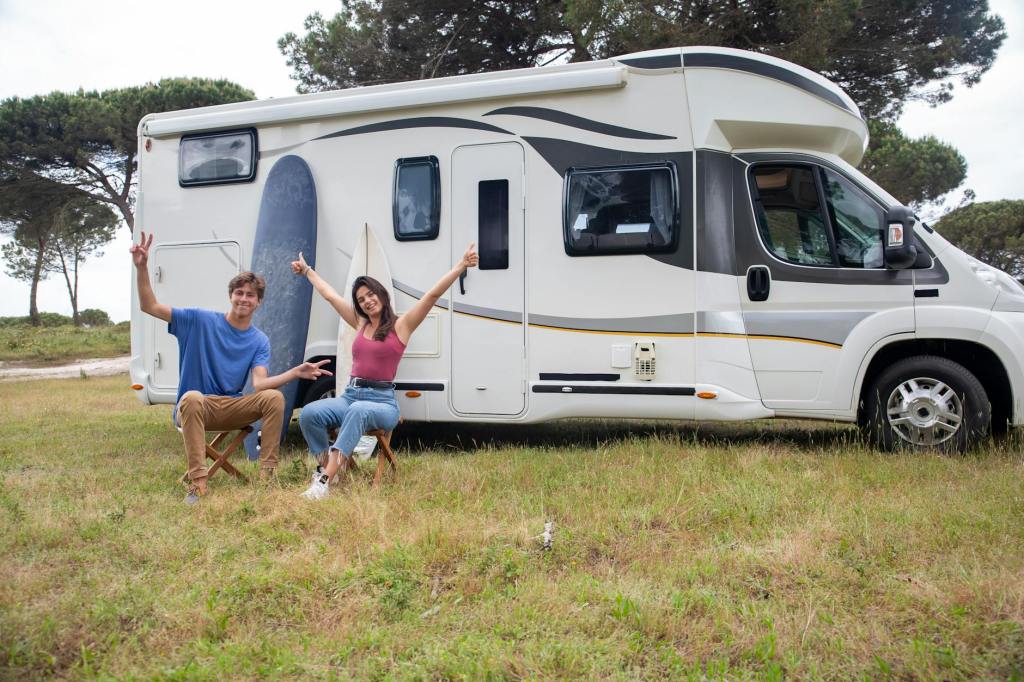
Buying your first RV is an exciting adventure, but it can also feel overwhelming. This RV buying guide is here to make your first RV purchase a smooth and informed experience. With so many types, features, and price points to choose from, how do you know where to start? This guide will help you navigate the process of choosing the right RV, whether you’re looking at brand-new models or second-hand deals. We’ll also cover some common mistakes to avoid so you can make the most of your investment.
Introduction: Why Buy an RV?
An RV opens the door to endless travel possibilities, offering a unique way to explore the country and experience the many benefits of the RV lifestyle. Whether it’s the freedom to roam or the comfort of traveling with your own space, an RV answers the question of why buy an RV for many adventurers. Whether you dream of cross-country road trips, weekend getaways, or simply having a cozy home on wheels, an RV provides flexibility and freedom. But with so many options out there, it’s important to take your time and consider what’s best for your needs.
Buying an RV isn’t just about picking something that looks nice. It’s about finding a vehicle that fits your lifestyle, budget, and travel plans. Let’s dive into the key things you should look for when purchasing your first RV.
1. Understand the Types of RVs
Before you start shopping, it helps to know the different types of RVs available. Each type has its own pros and cons:
- Class A Motorhomes: These are large, bus-like RVs with plenty of space and amenities. They’re great for families or long-term travel but can be expensive and challenging to drive.
- Class B Motorhomes: Also called camper vans, these are compact and easy to drive. They’re ideal for solo travelers or couples but may feel cramped.
- Class C Motorhomes: These RVs are a mix of Class A and B, offering a balance of space and drivability. They’re a popular choice for beginners.
- Travel Trailers: These are towable RVs that come in various sizes. They require a vehicle with towing capacity but offer flexibility since you can detach the RV when parked.
- Fifth Wheels: These are larger towable RVs that require a truck with a special hitch. They’re spacious and comfortable but less beginner-friendly.
Understanding these categories can help you narrow down your options based on what suits your needs.
2. Decide on New vs. Used
Next, decide if you want to buy a new or used RV. Each option has advantages and disadvantages:
- Buying New: A new RV comes with the latest features, warranties, and no wear-and-tear. However, it’s more expensive and depreciates quickly. If you prioritize peace of mind and want the newest technology or customizations, a new RV might be the way to go.
- Buying Used: Used RVs are more affordable and often come with extras like upgraded appliances or accessories. But they may require more maintenance and repairs. When buying used, you might find higher-end models within your budget that would be out of reach if bought new. It’s essential to research the RV’s history, condition, and how well it’s been maintained to avoid unexpected costs.
While used RVs can be a fantastic option, it’s important to keep in mind that they might come with hidden issues. These could include things like worn-out appliances, outdated technology, or minor structural concerns. Even if the RV appears to be in good shape, small problems can add up over time. Inspect the vehicle thoroughly and consider having a professional inspector look it over. This extra step can save you from costly surprises down the road.
If you’re new to RVing, a used RV can be a great way to get started without a huge financial commitment. It’s also an excellent opportunity to learn what features and layouts work best for you before upgrading to a newer or more advanced model in the future.
3. Know Your Budget
RVs come in a wide price range, from a few thousand dollars to over $100,000. Set a clear budget before you start shopping. Look into affordable RV options that match your needs and consider exploring RV financing tips to make the purchase more manageable. Remember to factor in additional costs like:
- Insurance
- Registration and taxes
- Maintenance and repairs
- Fuel costs
- Storage fees (if you can’t park it at home)
- Accessories (like a generator or kitchen supplies)
Sticking to your budget will help you avoid financial stress and ensure you’re making a smart investment.
4. Think About Your Travel Style
Your travel plans will play a big role in choosing the right RV. Ask yourself:
- How many people will be traveling with you?
- Will you mostly take short trips or long journeys?
- Do you plan to stay in campgrounds with hookups or go off-grid?
- What kind of weather will you encounter?
If you’re traveling solo or as a couple, a smaller RV might be all you need. For families or long-term trips, a larger RV with more amenities could be a better fit.

5. Inspect the RV Carefully
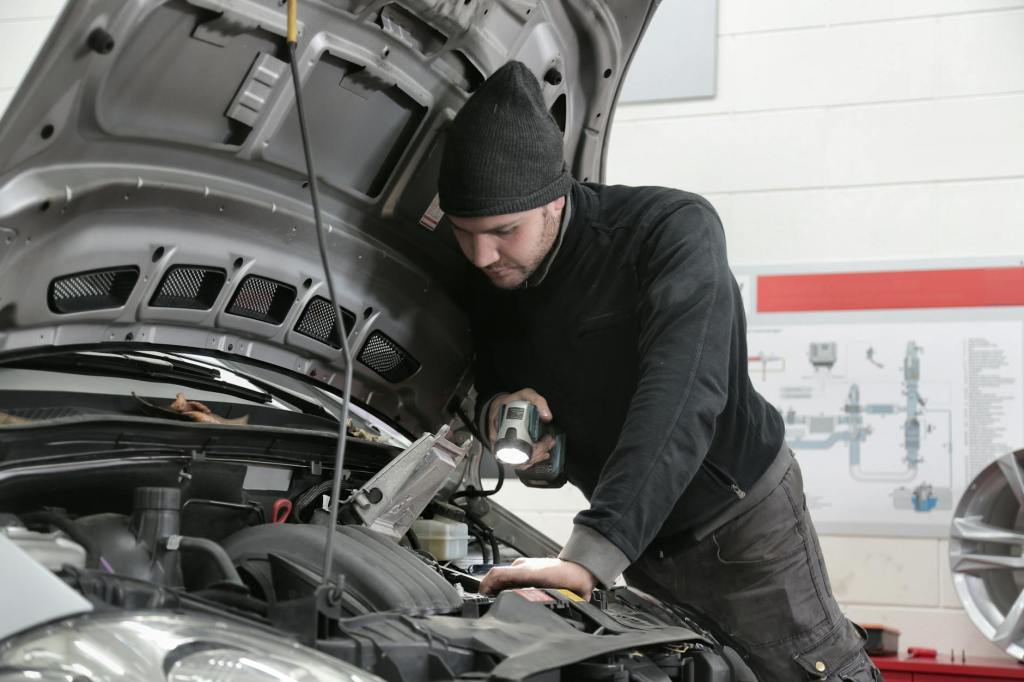
If you’re buying a used RV, inspection is crucial. Here’s what to look for:
- Exterior: Examine the roof, walls, and undercarriage for any signs of damage, such as cracks, rust, or leaks. Pay close attention to seals around windows and doors to ensure they’re intact and watertight.
- Interior: Look for signs of water damage, including stains, soft spots, or mold on the walls, ceiling, and floors. Check for a musty smell, which could indicate hidden moisture problems. Test all appliances, plumbing, and electrical systems to make sure they’re functioning properly.
- Engine and Tires (for motorized RVs): Start the engine to ensure it runs smoothly and doesn’t make unusual noises. Inspect the tires for uneven wear, cracks, or low tread. Remember that replacing RV tires can be costly, so it’s worth factoring this into your budget if needed.
- Underneath the RV: Crawl under the RV to inspect for rust, leaks, or damage to the frame. This is an area often overlooked but critical to the vehicle’s longevity and safety.
- History: Ask the seller for maintenance records and verify any repairs or upgrades. If the RV has been in an accident, make sure the damage was properly repaired.
- Functionality: Test slide-outs, awnings, and other moving parts to ensure they operate smoothly. Check the locks on all doors and compartments.
Consider hiring a professional RV inspector to conduct a thorough examination. Their expertise can identify issues you might miss and provide a detailed report, giving you peace of mind before making your purchase.
6. Test Drive and Layout
Don’t skip the test drive! This step is critical to understanding how the RV performs and ensuring it’s comfortable for you to handle. Pay attention to the following:
- Visibility: Can you see clearly in all directions? Are there any blind spots, and does the placement of mirrors help mitigate them? Keep in mind that every RV will have some level of blind spots, so practice using mirrors and, if available, rearview cameras.
- Braking: Test how responsive the brakes are, especially if you’re considering a larger motorhome or towing a trailer. Remember that these vehicles are heavier than regular cars, so they will generally take longer to come to a complete stop.
- Turning Radius: Practice turning and parking to gauge how easily you can maneuver the RV in tight spaces or on narrow roads. Larger RVs and trailers often require wider turns, so getting a feel for this is essential.
- Noise Levels: Listen for any unusual sounds from the engine or interior while driving. Rattling noises might indicate loose components inside.
- Comfort: Ensure the driver’s seat is adjustable and provides good support. Check if the dashboard controls are easy to access and operate.
After the test drive, spend time exploring the interior. Walk through the RV and imagine daily activities like cooking, sleeping, and relaxing. Consider these points:
- Kitchen Layout: Is the kitchen easy to use, with enough counter space and storage for your needs? Are the appliances in good condition?
- Sleeping Arrangements: Are the beds comfortable and sufficient for everyone traveling with you?
- Bathroom Space: Is the bathroom functional and spacious enough, especially for longer trips?
- Living Area: Is there enough seating? Does the layout provide a cozy yet functional space for lounging?
- Storage: Check for both indoor and outdoor storage options. Make sure there’s enough room for your gear, supplies, and personal items.
- Flow of Movement: Walk around with the slide-outs extended and retracted. Does the layout feel cramped or open?
Taking the time to thoroughly test drive and assess the layout will ensure you choose an RV that fits your lifestyle and feels comfortable both on the road and during your travels. This is a crucial step in understanding how to test drive an RV and evaluating RV layout considerations, both of which are essential for making an informed decision.
7. Avoid Common Mistakes
Many first-time buyers make avoidable mistakes. Here are some to watch out for:
- Buying Too Big: A large RV might seem appealing, but it can be harder to drive and park. Start with something manageable that matches your driving comfort level.
- Skipping the Research: Take your time to compare models, read reviews, and visit dealerships. Rushing into a purchase without doing your homework can lead to regret later.
- Ignoring Weight Limits: If you’re buying a towable RV, make sure your vehicle can handle the weight, including when fully loaded. Exceeding your vehicle’s towing capacity can lead to mechanical problems and unsafe driving conditions.
- Overlooking Hidden Costs: Don’t forget about insurance, maintenance, fuel expenses, and other recurring costs. These can add up quickly and strain your budget if not accounted for.
- Neglecting a Test Drive: Skipping this step might leave you with an RV that’s uncomfortable or difficult to drive.
- Underestimating Storage Needs: Ensure the RV has enough storage for your belongings and supplies. A lack of space can make trips feel cluttered and stressful.
- Not Inspecting Carefully: Missing critical issues during an inspection, especially in used RVs, can lead to costly repairs. Take your time and, if possible, hire a professional inspector.
Learning from these common mistakes can save you time, money, and frustration, making your RV purchase a more enjoyable and rewarding experience.
Conclusion: Enjoy the Journey
Buying your first RV is a big step, but it’s also the start of an exciting new chapter. By taking the time to understand your options, set a realistic budget, and avoid common pitfalls, you’ll be well on your way to finding the perfect RV for your adventures.
Remember, no RV is perfect, and every owner learns as they go. The most important thing is to choose an RV that fits your needs and brings you joy. Happy travels!
 RV Ready or Not
Leave a comment