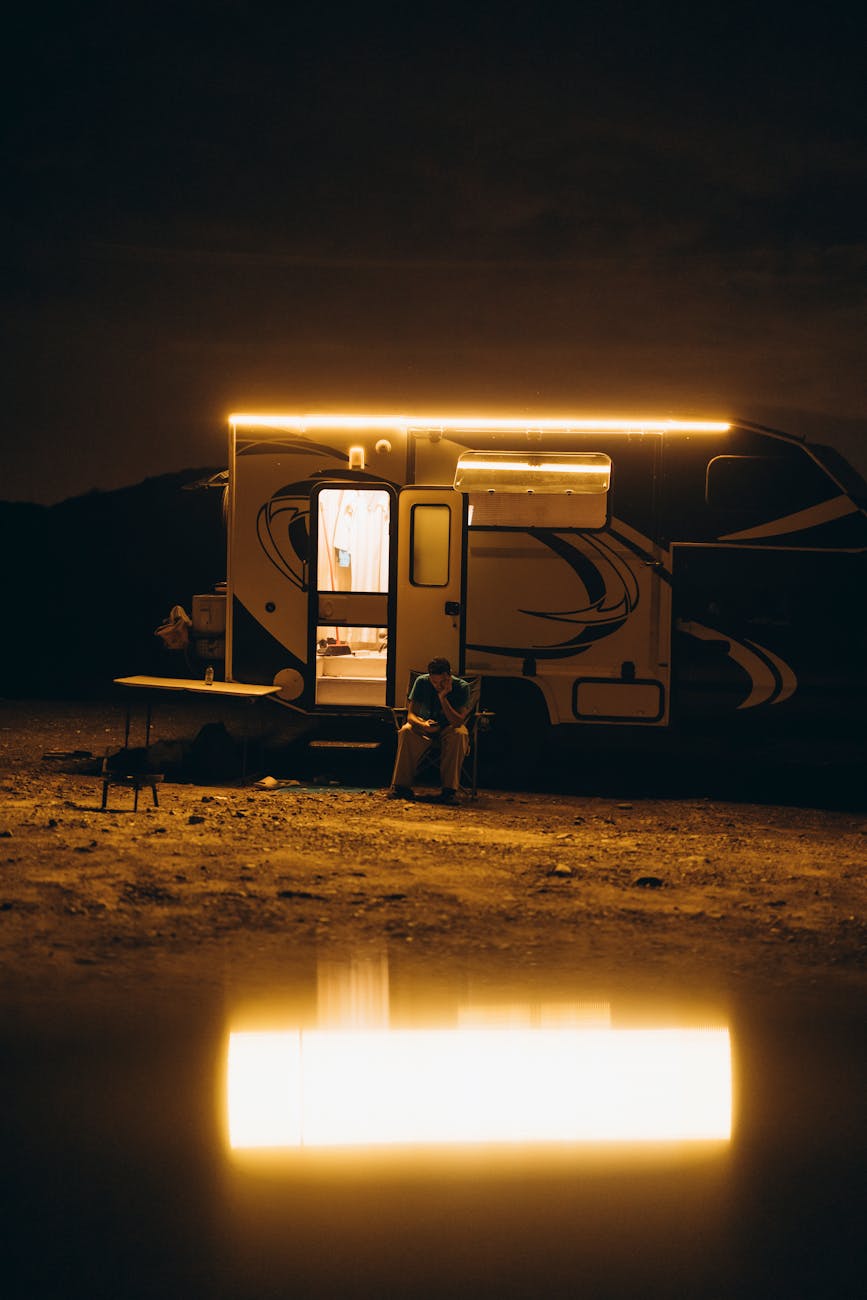
Introduction RV living can be an exciting and freeing way to explore the world. You can travel to beautiful places, meet new people, and wake up with nature right outside your door. But along with the adventure comes the question: Is RV living safe? While life on the road has its challenges, following some simple tips can help you stay secure. In this post, we’ll share essential RV safety tips, including advice on choosing safe campgrounds, dealing with bad weather, protecting your belongings, and understanding potential risks.
Understanding Potential Risks for RVers While incidents involving RV travelers are not excessively common, it’s important to be aware of potential concerns. Here’s a breakdown of the most common issues RVers face:
- Theft: Theft is the most common concern for RV enthusiasts. This could include items stolen from your campsite, vehicle, or personal belongings left unattended. Opportunistic thefts are more likely in busy areas or unsecured locations.
- Vandalism: Incidents of vandalism, such as graffiti or damage to property, are less frequent but can occur in poorly maintained or isolated campgrounds.
- Break-ins: While less common than theft, break-ins can happen if your RV is left unlocked or appears unattended for extended periods. RVs parked in remote locations or unlit areas are more at risk.
- Scams: Some RV travelers have reported scams, particularly when dealing with unregulated overnight parking spots or informal campground hosts who may overcharge or impose fake fees.
By understanding these potential risks, you can take targeted steps to prevent problems and enjoy peace of mind.
How to Choose Safe Campgrounds Where you park your RV is one of the most important factors for staying safe. Here’s what to keep in mind:
- Research Campground Safety: Before settling in, read reviews of campgrounds or RV parks. Look for places with good lighting, security measures, and positive feedback from other travelers. Websites like Campendium, RV Life, and Google Reviews can provide detailed insights from other RVers. Social media groups or forums dedicated to RV living are also great resources to ask for recommendations.
- Stick to Established Campgrounds: Avoid parking in deserted or sketchy areas. Established campgrounds often have better amenities and safety features. Many of them also offer gated entrances, on-site staff, and organized activities that can make your stay more enjoyable.
- Trust Your Instincts: If a place feels unsafe or gives you a bad vibe, it’s okay to move on. Your instincts are valuable. Even if you’ve booked in advance, prioritize your safety over the inconvenience of finding a new spot.
- Look for Security Features: Campgrounds with 24/7 surveillance, gated entries, and active management can provide extra peace of mind. Ask about these features when making reservations.
Be Prepared for Bad Weather Weather can change quickly, and being prepared can make a big difference in your safety:
- Stay Informed About Weather Conditions: Use weather apps or a radio to check for updates in the area you’re visiting. Apps like Weather Underground, AccuWeather, and NOAA Weather Radar are especially helpful. Set alerts to get immediate notifications of severe weather conditions.
- Have a Weather Plan: Know what to do in case of severe weather, like tornadoes, hurricanes, or flash floods. Find out where the nearest shelter is if needed. Many campgrounds have designated storm shelters or safe areas. If you’re boondocking, identify nearby buildings or terrain features that can offer protection.
- Secure Your RV in Storms: High winds can be dangerous. Make sure awnings, outdoor furniture, and anything loose are stowed away properly. Invest in RV stabilizers to reduce swaying during storms, and always retract your slide-outs when high winds are expected.
- Pack Emergency Supplies: Keep an emergency kit with essentials like flashlights, batteries, first-aid supplies, bottled water, and non-perishable food. Having a portable weather radio and a backup power source, like a generator or solar panels, can be lifesaving in extreme situations.

Safety Tips for Boondocking Enthusiasts Boondocking—camping off-grid without hookups—offers incredible freedom but requires extra safety precautions:
- Choose Safe Boondocking Locations: Use apps like iOverlander or FreeRoam to find boondocking spots with good reviews and reports of safety. Avoid remote areas with no cell service unless you have a reliable way to call for help.
- Arrive During Daylight Hours: This gives you time to assess the area, look for hazards, and find a good spot to park. It’s harder to spot potential dangers in the dark.
- Find the Right Balance of Visibility and Privacy: Park where others can see you but avoid being in the direct line of traffic or completely isolated. A balance between visibility and privacy is ideal.
- Be Ready to Move Quickly: Always keep your RV in a position where you can leave quickly if necessary. Avoid detaching your tow vehicle if you can.
- Use Boondocking Security Devices: Motion-activated lights, cameras, and alarms can help keep you safe while boondocking. A barking dog or a fake “Beware of Dog” sign can also deter intruders.
- Respect Local Boondocking Rules: Many public lands have restrictions on where you can boondock. Make sure you understand and follow these guidelines to avoid fines or conflicts with locals.
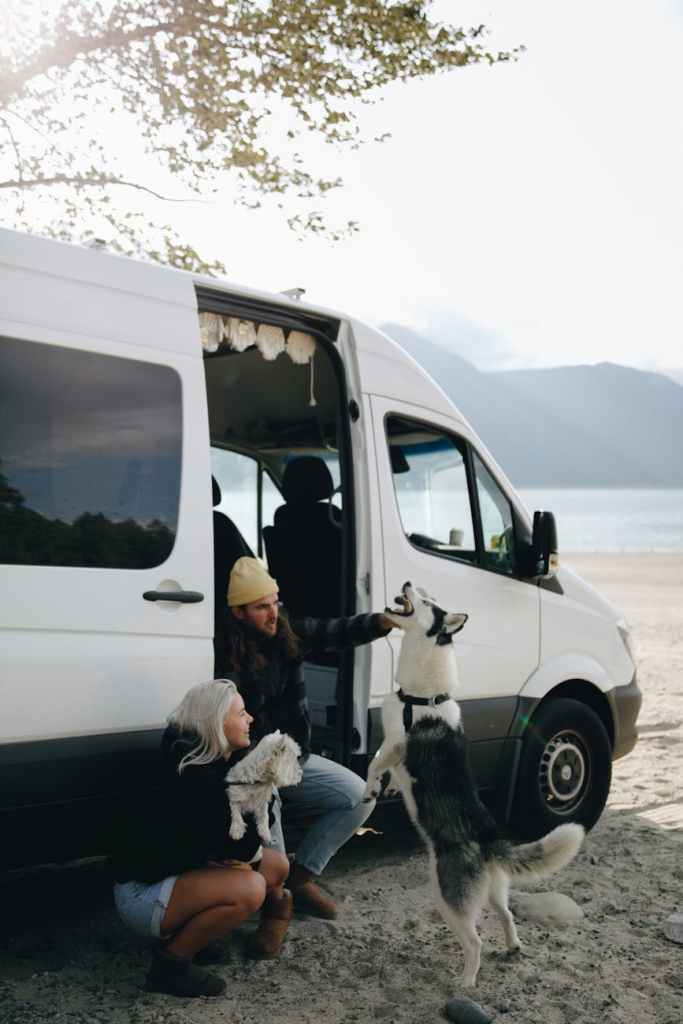
Protecting Your Belongings While RVing Keeping your belongings safe is a key part of RV living. Here’s how you can do it:
- Always Lock Up: Always lock your doors and windows, even if you’re stepping away for just a moment. Consider upgrading your RV locks to more secure models if the factory-installed ones are easy to pick.
- Use a Secure Safe: Store important items like passports, cash, and electronics in a small, hidden safe inside your RV. Look for models that can be bolted down for added security.
- Avoid Advertising Valuables: Avoid showing off expensive gear or leaving valuable items visible through your RV windows. Use curtains or window shades to keep your interior private.
- Install RV Security Systems: Consider adding an alarm system or a motion-detection camera to deter theft. Brands like Ring, Blink, and SimpliSafe offer portable systems designed for RVs. Motion-activated lights around your RV can also discourage potential thieves.
- Practice Safe Social Media Habits: Sharing your location in real-time can make you a target. Post updates after you’ve left a location rather than while you’re still there.
For more security tips and the best products to secure your RV, be sure to check out my post, “Essential RV Security Tips: Best Locks, Alarms, and Gadgets to Keep Your Home Safe.”
Additional RV Safety Tips Here are some extra tips to keep in mind as you travel:
- Get to Know Fellow Campers: Introduce yourself to other campers. Building a friendly rapport can help create a sense of community, and neighbors are more likely to look out for one another.
- Perform Regular RV Maintenance: Regularly inspect your RV’s systems, including brakes, tires, and lights. A well-maintained RV is less likely to break down in unsafe locations.
- Plan RV-Friendly Routes: Use GPS systems designed for RVs, such as RV GPS apps or devices that account for low bridges, narrow roads, and other RV-specific challenges. Avoid driving at night whenever possible, as it can be harder to spot hazards or find assistance if needed.
- Stay Connected on the Road: Carry a fully charged phone and a backup power bank. Consider investing in a mobile hotspot or satellite phone for areas with poor cell service.
- Carry Personal Safety Items: Depending on your comfort level and local laws, you might carry personal safety devices like pepper spray or an air horn. Always familiarize yourself with regulations in the areas you’re visiting.
Conclusion RV living can be a safe and enjoyable way to travel if you take the right precautions. By choosing safe campgrounds, staying prepared for bad weather, and protecting your belongings, you can focus on the fun and freedom of life on the road. Additionally, maintaining your RV, building connections with fellow travelers, and staying informed about your surroundings will further enhance your safety. For those who enjoy boondocking, extra steps like choosing the right location and staying prepared can ensure a secure experience. By understanding potential risks and taking preventative measures, you can reduce vulnerabilities and travel with confidence. Remember, staying secure is all about planning ahead and trusting your instincts. Now, go out there and enjoy the adventure!
 RV Ready or Not
Leave a comment