
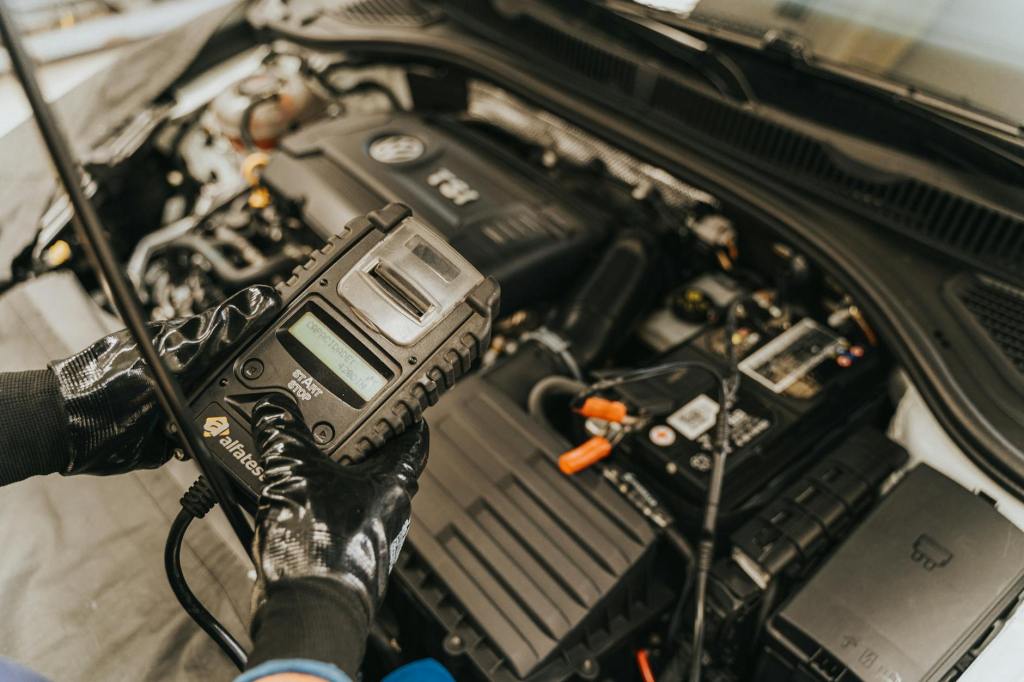
Your RV’s battery is more than just a power source—it’s the lifeline of your vehicle’s electrical system, supporting your appliances, lights, and gadgets during your adventures. Yet, many RV owners overlook battery maintenance, leading to unexpected issues that can disrupt their trips. This guide dives into common RV battery problems, effective maintenance strategies, and product recommendations to ensure your battery stays reliable and performs optimally for years to come.
Why Is RV Battery Maintenance Important?
Your RV battery works tirelessly to power essential systems, especially when you’re off the grid. Over time, wear and tear, environmental factors, and improper usage can diminish its performance. Regular maintenance not only extends battery life but also enhances efficiency, saving you time, money, and stress during your travels.
Common RV Battery Problems
- Dead or Drained Battery
A drained battery is one of the most frequent issues RV owners encounter. This typically occurs when appliances or lights are left running for extended periods. Even minor draws, such as leaving a clock or small electronics plugged in, can lead to a dead battery if the vehicle isn’t in use. - Corrosion on Terminals
Corrosion appears as a whitish or greenish residue on the battery terminals, often caused by exposure to moisture and battery acid. This buildup hinders the flow of electricity, reducing the battery’s efficiency and potentially causing starting issues. - Overcharging or Undercharging
Both overcharging and undercharging can significantly harm your battery. Overcharging generates excess heat, leading to internal damage, while undercharging causes sulfation—a buildup of lead sulfate crystals that reduces battery capacity. - Temperature-Related Issues
Extreme temperatures, whether hot or cold, can negatively affect battery performance. Heat can accelerate evaporation of battery fluid, while freezing temperatures can reduce the battery’s capacity to hold a charge.
Comprehensive Solutions for Battery Maintenance
1. Regular Battery Inspections
- Schedule routine checks of your battery’s charge level and physical condition. Look for signs of damage, such as cracks or leaks.
- Use a voltmeter to measure the battery’s voltage. A fully charged battery should read between 12.6 and 12.8 volts.
2. Clean and Protect Battery Terminals
- Disconnect the battery safely before cleaning. Use a terminal cleaner or a mixture of baking soda and water to scrub away corrosion with a stiff brush.
- Apply a thin layer of petroleum jelly or terminal protector spray to prevent future corrosion.
3. Charge Smartly
- Invest in a high-quality RV battery charger that matches your battery type (lead-acid, AGM, or lithium-ion).
- Avoid overcharging by using chargers with automatic shutoff features or smart charging technology.
- For storage, consider using a trickle charger or battery maintainer to keep the battery charged without overloading it.
4. Manage Energy Usage
- Be mindful of your power consumption. Turn off unnecessary lights and appliances when they’re not in use.
- Upgrade to energy-efficient LED lights and appliances to reduce battery strain.
5. Protect Against Extreme Temperatures
- Store your RV in a climate-controlled area during extreme weather. If that’s not possible, insulate the battery or use a battery heater during cold months.
- During summer, park in shaded areas and ensure adequate ventilation around the battery to prevent overheating.
6. Monitor Water Levels (For Lead-Acid Batteries)
- Check the water levels in your battery every few months and top off with distilled water as needed. Avoid overfilling, as this can lead to leaks.
Recommended Products for Battery Maintenance
To make maintenance easier and more effective, consider adding these tools to your RV essentials:
- Battery Terminal Cleaner: Specialized cleaners remove corrosion and protect terminals from future buildup. Look for a product that’s easy to apply and safe for various battery types.
- Portable Battery Charger: A portable charger ensures your battery remains topped up, especially during long trips. Choose a smart charger with automatic shutoff to prevent overcharging.
- Multimeter or Voltmeter: These tools help you monitor your battery’s voltage, ensuring it remains within the recommended range.
- Trickle Charger or Battery Maintainer: Perfect for long-term storage, these devices keep your battery charged at a steady, safe rate.
Proactive Tips for RV Battery Care
- Seasonal Maintenance: If your RV will be in storage for an extended period, disconnect the battery and store it in a cool, dry place. Use a trickle charger to maintain its charge.
- Label Connections: Mark your battery cables to ensure they’re reconnected correctly after maintenance. Misconnections can cause serious damage.
- Upgrade When Necessary: If your battery struggles to hold a charge or frequently requires maintenance, consider upgrading to a newer model or a different type of battery, like a lithium-ion option, which requires less upkeep.
Conclusion
Taking care of your RV battery doesn’t have to be a daunting task. With regular inspections, proper cleaning, and smart charging habits, you can significantly extend its lifespan and ensure reliable performance. A well-maintained battery isn’t just a convenience—it’s an investment in stress-free, enjoyable RV adventures.
Start implementing these tips today and equip yourself with the right tools for the job. Whether you’re a weekend camper or a full-time RVer, a little attention to your battery can go a long way in powering your journey.
Looking for more tips on RV maintenance? Bookmark this blog for updates or share it with friends and family who might find it helpful.

 RV Ready or Not
Leave a comment