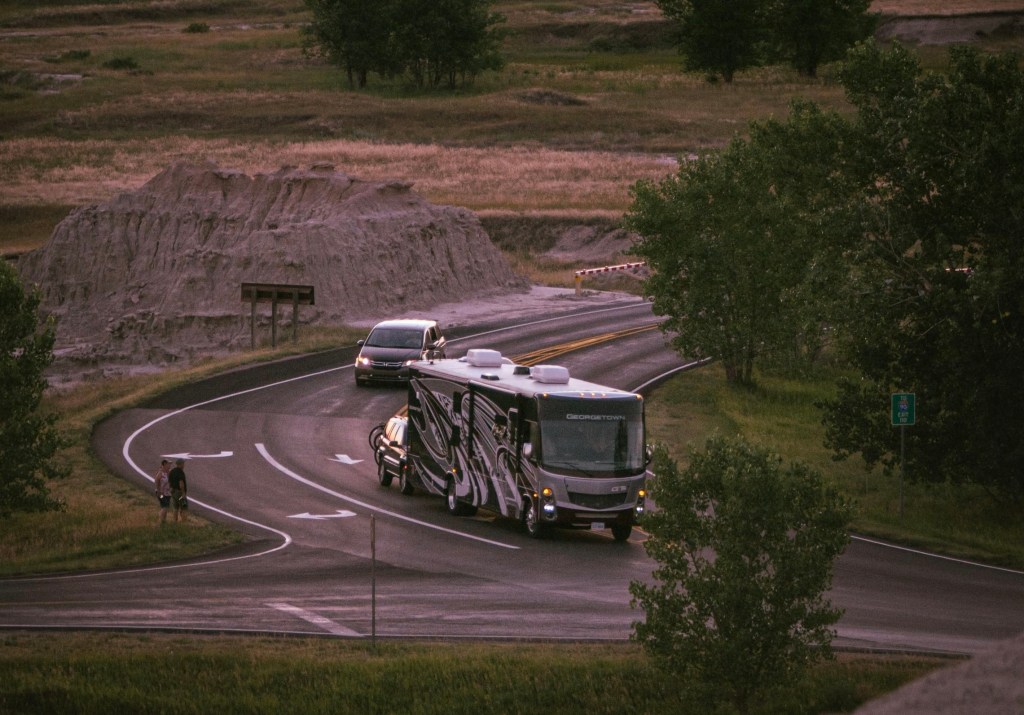
When it comes to life on the road with a Class A motorhome or a fifth-wheel trailer, planning your route is just as important as choosing your next destination. Unlike smaller vehicles, large RVs have unique challenges—tight turns, low clearances, narrow roads, and congested areas can quickly turn a scenic trip into a stressful experience. But don’t worry! With the right tools and strategies, you can navigate confidently and make your journey as enjoyable as your destination.
Why Route Planning Matters for Big Rigs
Driving a large RV is a whole different ballgame compared to zipping around in a sedan or even a smaller camper. Class A RVs and fifth-wheels are often longer, wider, and taller, requiring careful consideration to avoid potential mishaps. A missed turn or an unexpected low bridge can lead to hours of detours or even damage to your rig.
Besides the practicalities, good route planning ensures a smoother and more relaxing journey. Whether you’re headed to a national park, a beachside campground, or a remote boondocking spot, knowing the road ahead reduces stress and keeps you safe.
Challenges of Navigating Large RVs
Let’s break down some of the common challenges RVers face when planning routes for larger rigs:
1. Tight Turns
Sharp corners and hairpin turns are the bane of large RV drivers. Some roads, especially in mountainous or urban areas, are not designed for vehicles with wide turning radii.
2. Low Clearances
Bridges, tunnels, and overhangs can be a nightmare if you don’t know your RV’s exact height. A low clearance sign can leave you scrambling to find an alternative route.
3. Weight Restrictions
Some roads, bridges, and ferries have weight limits that can prevent your RV from passing through.
4. Crowded Areas
Driving a big rig in densely populated areas can be challenging due to narrow streets, tight parking, and heavy traffic.
5. Road Conditions
Gravel roads, potholes, and steep grades can be rough on your RV—literally. Poor road conditions can lead to tire damage or suspension issues.
Tips for Planning RV-Friendly Routes
To avoid these challenges and make your journey smooth, follow these tried-and-true tips:
1. Use RV-Specific GPS Systems
Invest in a GPS designed for RVs, such as those by Garmin or Rand McNally. These devices allow you to input your RV’s dimensions and weight, ensuring the suggested routes are suitable for your vehicle. Unlike regular GPS systems, RV-specific models avoid low bridges, tight turns, and weight-restricted roads.
2. Leverage RV Trip Planning Apps
Apps like RV Life, CoPilot RV, and Roadtrippers are fantastic tools for mapping out your journey. These apps often include filters for avoiding toll roads, low clearances, and congested areas. Many also feature campground directories and reviews from fellow RVers.
3. Check State DOT Websites
Before you hit the road, visit the Department of Transportation (DOT) website for any states you’ll be traveling through. Many DOT sites provide information on road closures, construction zones, and detours, which can save you from surprises.
4. Plan Your Stops Wisely
Large RVs require more space to park and maneuver, so plan your stops carefully. Look for rest areas, truck stops, or RV-friendly gas stations. Apps like AllStays or Campendium can help you find suitable places to refuel, rest, or camp.
5. Research Road Conditions
Before heading into unfamiliar territory, research the roads you’ll be traveling. Websites like Google Maps and Waze can provide real-time traffic updates and reviews about specific routes. For rural areas, online forums and RV communities can be a goldmine of information.
6. Avoid Urban Areas When Possible
Unless your destination is a city, try to bypass urban areas. Congested streets and tight parking are major headaches for big rigs. Use your GPS or mapping app to find bypass routes that keep you on highways or major roads.
7. Know Your RV’s Specs
Always keep a list of your RV’s height, width, length, and weight on hand. You’ll need this information to ensure compatibility with bridges, tunnels, and ferries along your route.
8. Consult Fellow RVers
Online RV forums, Facebook groups, and YouTube channels are excellent resources for route recommendations. Other RVers can offer firsthand advice on navigating tricky areas or avoiding problematic roads.
9. Pre-Scout Your Route
If you’re headed somewhere new, use Google Street View to pre-scout the area. This is especially useful for checking campground entrances, road conditions, and nearby amenities.
10. Stay Flexible
Even the best-laid plans can go awry. Keep a flexible mindset and have a backup route in case of unexpected road closures or delays. Having a good paper atlas as a backup is also a smart idea.
Tools and Resources for RV Route Planning
Here are some essential tools and resources to make your route planning a breeze:
- RV Life Trip Wizard: A comprehensive trip planner that allows you to customize your route based on your RV’s dimensions and preferences.
- AllStays Camp and RV: A go-to app for finding RV-friendly stops, campgrounds, and fuel stations.
- Trucker Path: Designed for truckers but useful for RVers, this app helps locate truck stops, rest areas, and weigh stations.
- The Next Exit: A handy book that lists services and amenities available at each exit on major highways.
- Paper Road Atlas: The Rand McNally Motor Carriers’ Road Atlas is an old-school but reliable backup.
Conclusion
Planning routes for large RVs doesn’t have to be a daunting task. With the right tools, preparation, and a bit of research, you can avoid tight turns, low clearances, and crowded areas, ensuring a smooth journey to your next adventure.
Remember, the key to a stress-free RV trip is preparation. Whether you’re a seasoned traveler or a newbie hitting the road in your Class A or fifth-wheel, these tips will help you navigate confidently and enjoy every mile of your journey. Happy travels! Share your favorite route planning tips or experiences in the comments below—we’d love to hear from you!
 RV Ready or Not
Leave a comment