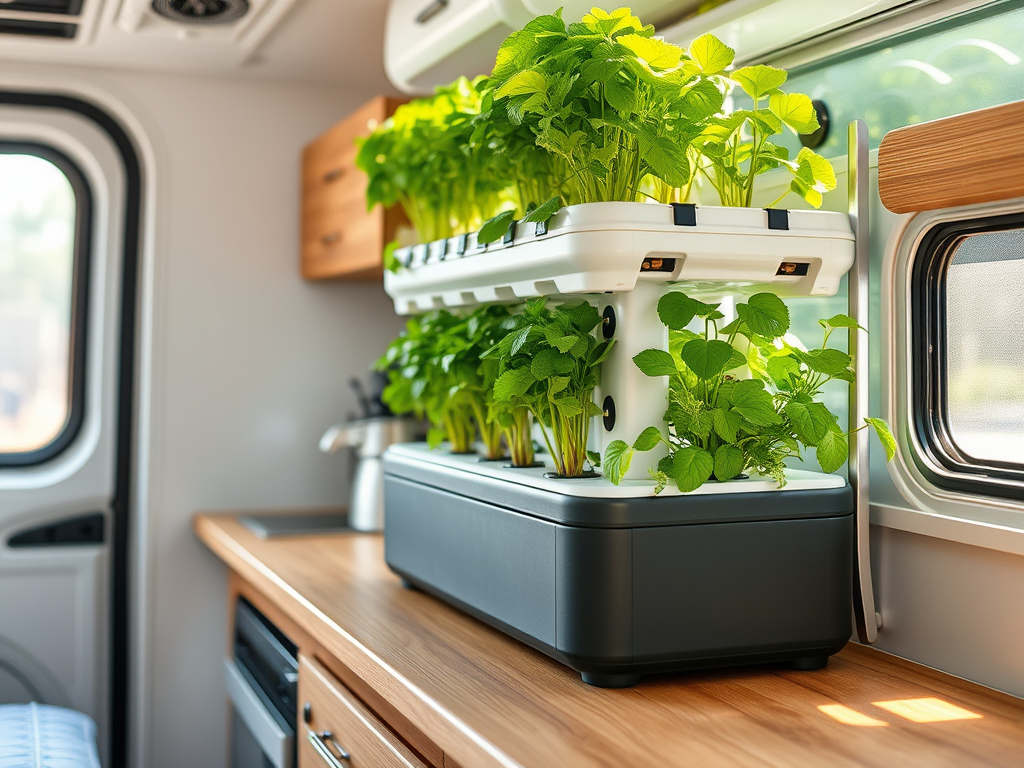
If you love fresh greens, herbs, and even some small veggies but don’t have space for a traditional garden in your RV, hydroponics might be your new best friend. This soil-free gardening method is perfect for RV life because it takes up minimal space, uses less water than soil-based gardening, and allows you to grow fresh produce year-round.
In this beginner-friendly guide, we’ll break down everything you need to know to get started with hydroponic gardening in your RV. Whether you’re a seasoned gardener or just getting started, this is a fun and rewarding way to bring more fresh food into your mobile home.
Why Hydroponics is Perfect for RV Living
When you’re living or traveling in an RV, space and resources are limited. Traditional gardening isn’t practical, but hydroponics makes it possible to grow fresh food without soil, large garden beds, or extensive maintenance. Here’s why hydroponics is a great choice for RVers:
- Space-Saving: Hydroponic systems are compact and can be set up on countertops, walls, or even inside small storage areas.
- Water Efficient: Uses up to 90% less water than traditional soil gardening.
- Year-Round Growth: No need to worry about soil conditions or weather.
- Less Mess: No dirt means no muddy mess inside your RV!
Choosing the Right Hydroponic System for Your RV
There are several types of hydroponic systems, but for an RV, you need something compact, low-maintenance, and easy to set up. Here are the best options:
1. Kratky Method (Passive System)
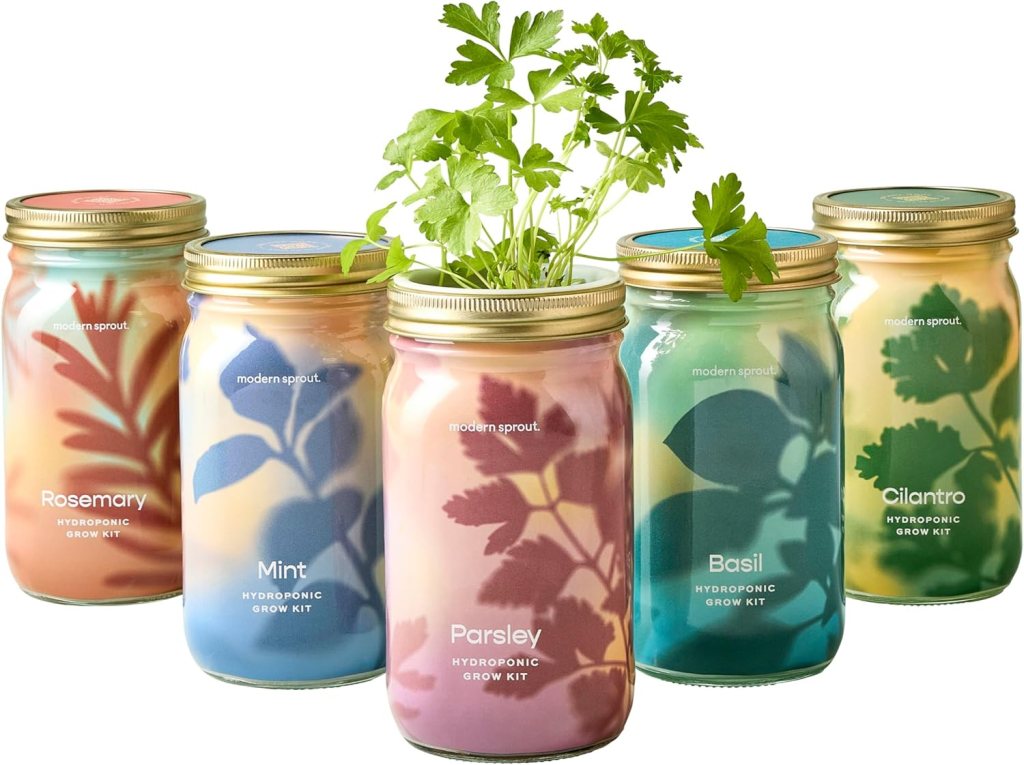
This is the simplest hydroponic system and requires no electricity, pumps, or complicated setups. It works by suspending plant roots in a nutrient-rich water solution. As the plants grow, they absorb water and nutrients, leaving an air gap that provides oxygen to the roots.
- Best for: Herbs, lettuce, and leafy greens
- Pros: Super easy to set up, no need for electricity, ideal for beginners
- Cons: Limited to smaller plants, water levels must be monitored to prevent drying out
- Recommended product: Mason Jar Hydroponic Kit
Amazon Affiliate Link
2. Deep Water Culture (DWC)
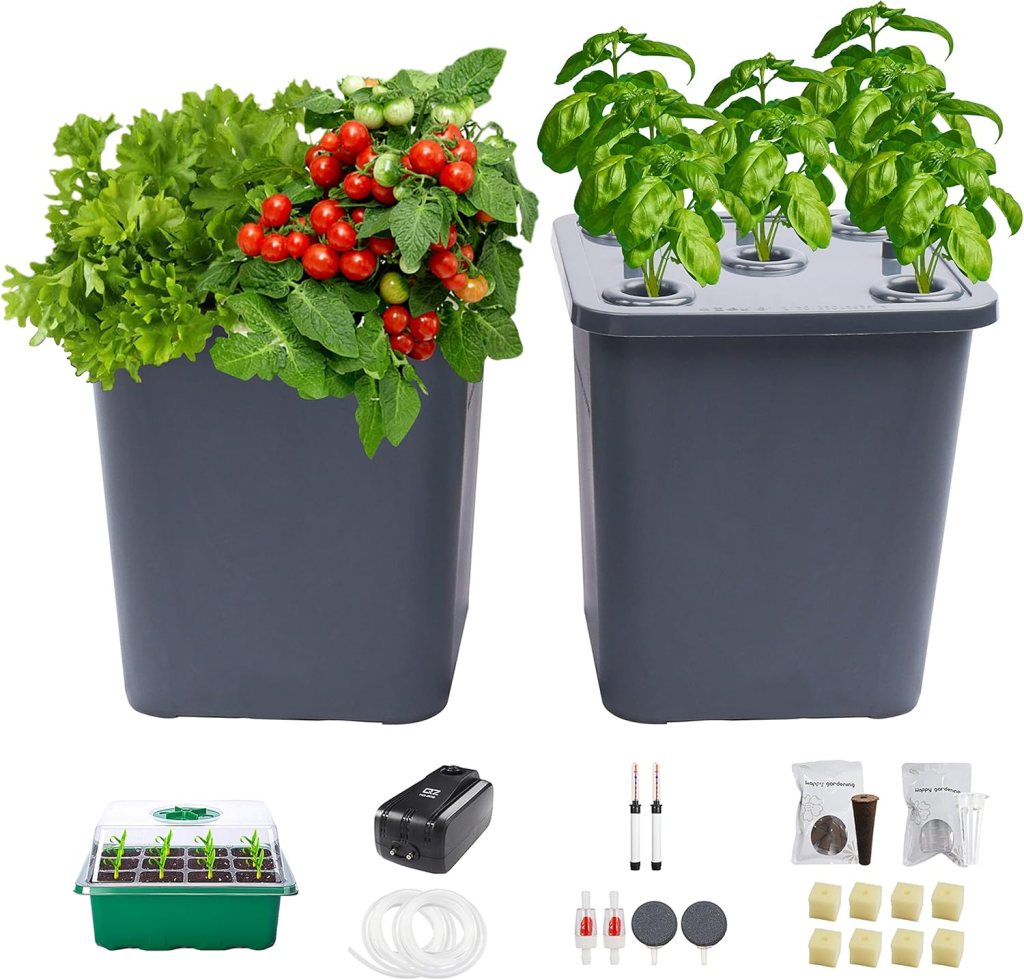
In this system, plants grow in net pots suspended over a reservoir of nutrient solution. An air pump provides oxygen to the roots, which helps plants grow faster and stronger. DWC is one of the most beginner-friendly active hydroponic systems.
- Best for: Lettuce, basil, peppers, and some small fruiting plants
- Pros: Faster plant growth, easy to maintain, suitable for a variety of plants
- Cons: Requires electricity to run an air pump, occasional cleaning needed to prevent algae buildup
- Recommended product: DWC Hydroponic Kit with Air Pump
Amazon Affiliate Link
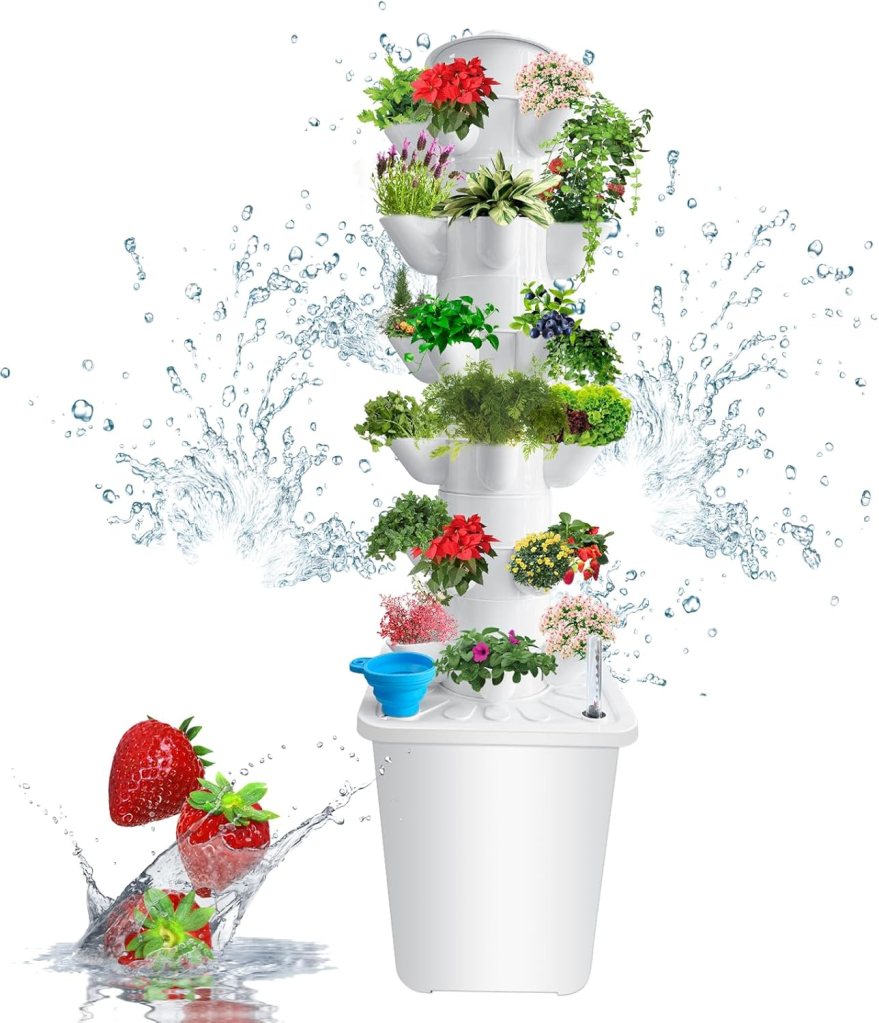
3. Vertical Hydroponic System
If you want to grow more plants in a small space, a vertical system allows you to stack multiple plants on top of each other. These setups use a circulating water system, ensuring that each plant gets the nutrients it needs.
- Best for: A variety of herbs, strawberries, leafy greens, and even some compact fruiting plants
- Pros: Maximizes vertical space, ideal for small RVs, can grow more plants in less area
- Cons: Requires a pump to circulate water, may need more frequent maintenance
- Recommended product: Tower Garden System
Amazon Affiliate Link
4. Aeroponics (High-Tech Option)
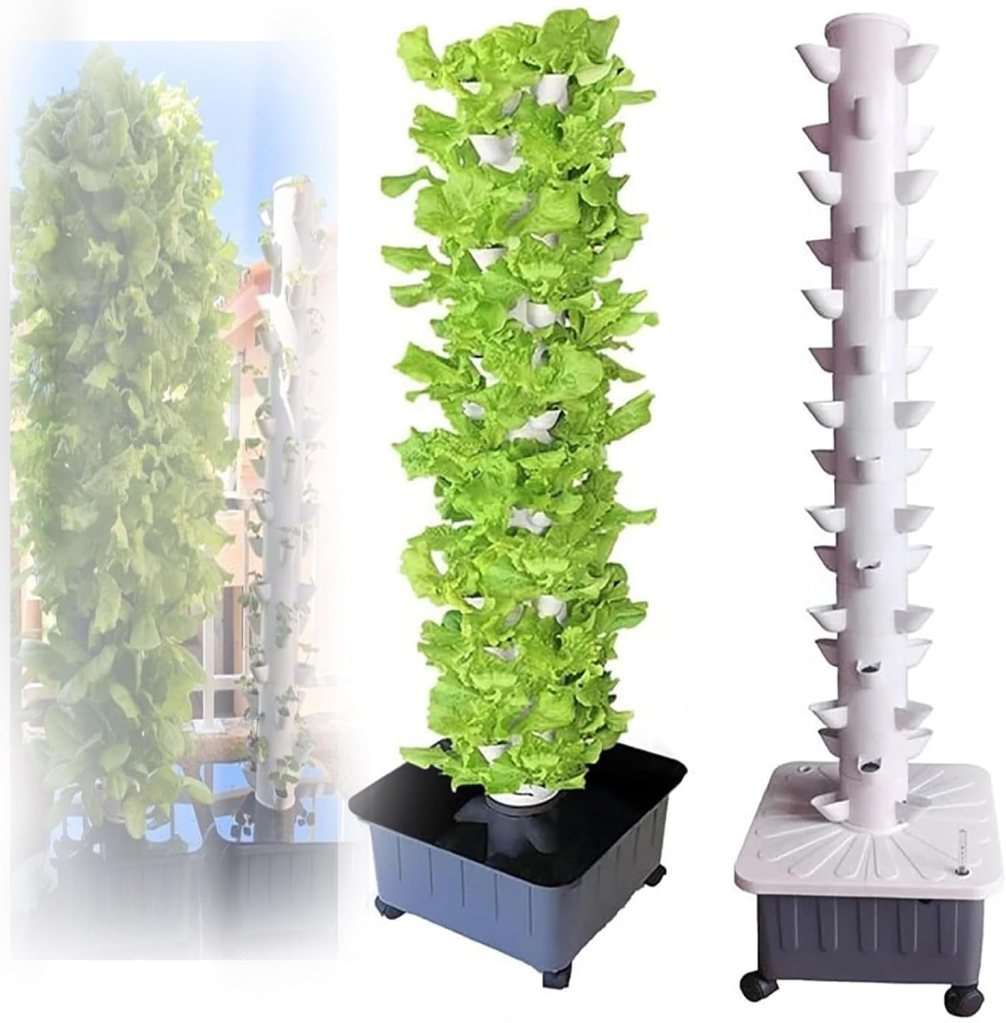
Aeroponics is an advanced hydroponic method where plant roots are suspended in the air and misted with nutrients at regular intervals. This method allows for maximum oxygen exposure and rapid plant growth.
- Best for: Advanced growers who want the most efficient system for herbs, greens, and compact vegetables
- Pros: Uses the least water, grows plants quickly, highly efficient
- Cons: Requires a pump and misting system, more expensive and technical to set up
- Recommended product: Aeroponic Tower Garden
Amazon Affiliate Link
How to Set Up Your RV Hydroponic Garden
Now that you know which system to choose, let’s go over the setup process:
1. Pick a Location
Find a stable spot in your RV that gets enough light, such as a countertop, shelf, or a wall-mounted system. Consider areas with good ventilation to prevent mold.
2. Choose Your Plants
Herbs like basil, mint, cilantro, and thyme thrive in hydroponic systems. Leafy greens like lettuce, spinach, and kale are also great choices. If you have more space, try small fruiting plants like cherry tomatoes and strawberries. Additionally, you can grow cucumbers, bell peppers, green onions, and even dwarf varieties of beans and peas. Some compact dwarf fruit plants, such as mini blueberries or dwarf citrus, can also adapt to hydroponic growing conditions with proper care.
3. Get the Right Lighting
If you don’t have access to consistent natural sunlight, consider using LED grow lights. These mimic natural light and help plants thrive indoors.
- Recommended product: Full-Spectrum LED Grow Light
Amazon Affiliate Link

4. Use the Right Nutrients
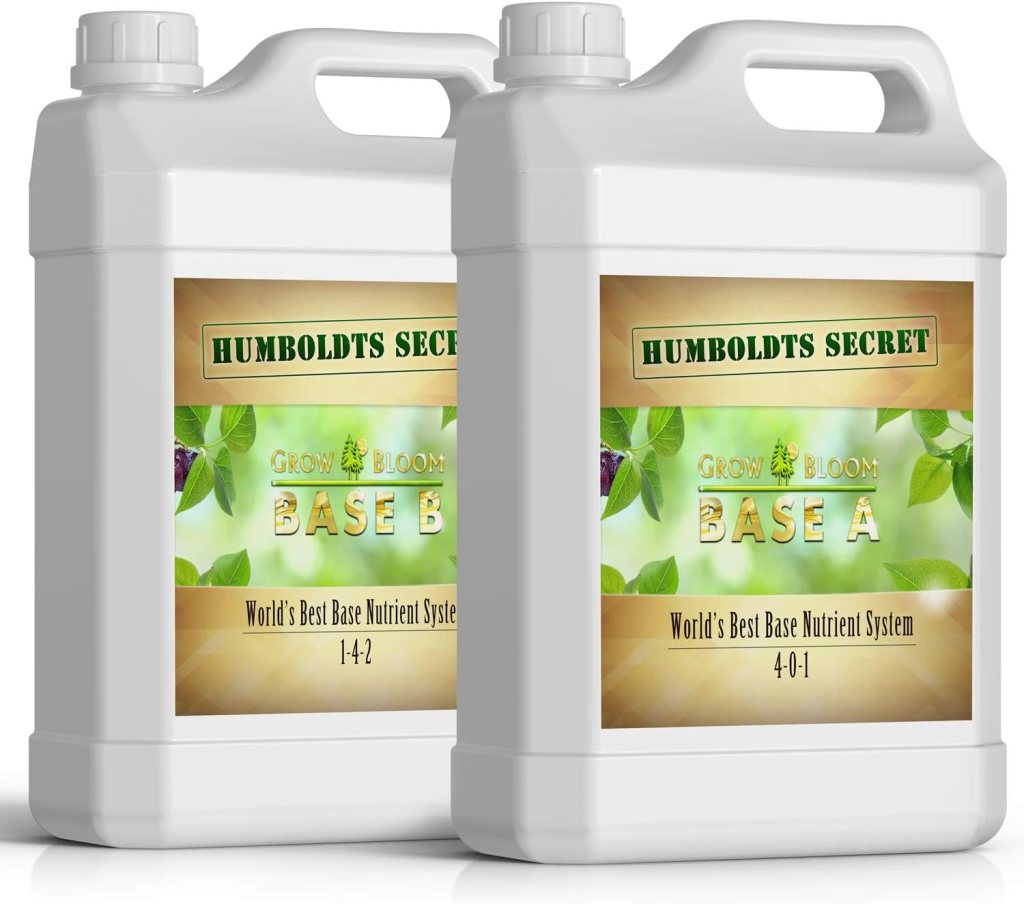
Since hydroponics doesn’t use soil, you’ll need a liquid nutrient solution that contains all the essential minerals your plants need to grow. Look for a balanced nutrient mix that includes nitrogen (N), phosphorus (P), and potassium (K), as well as essential micronutrients like calcium, magnesium, and iron. Some hydroponic nutrient solutions are tailored to specific plants, so choose one that suits what you’re growing. Also, consider organic nutrient options if you prefer a more natural approach to feeding your plants.
- Recommended product: Hydroponic Nutrient Solution
Amazon Affiliate Link
5. Maintain Your System
- Check Water Levels: Plants will drink up water quickly, so keep an eye on your reservoir and top it off as needed to prevent roots from drying out.
- Monitor pH Levels: A pH between 5.5 and 6.5 is ideal for most hydroponic plants. Use a pH testing kit to check levels every few days and adjust with pH up or down solutions as needed.
- Change Water Regularly: Refresh the nutrient solution every 1-2 weeks to prevent algae growth and keep plants healthy. Rinse the reservoir and clean any tubing or pumps to avoid buildup.
- Watch for Nutrient Deficiencies: If leaves start turning yellow or curling, your plants may need additional nutrients. Check for signs of nitrogen, potassium, or magnesium deficiencies and adjust accordingly.
- Ensure Proper Oxygenation: If using a Deep Water Culture (DWC) system, make sure your air pump is working properly to oxygenate the roots and prevent rot.
- Prevent Pests and Mold: Even without soil, hydroponic plants can still attract pests like aphids or develop mold. Keep your system clean, inspect plants regularly, and use natural pest deterrents like neem oil when necessary.
Hydroponic Gardening Tips for RVers
- Secure Your Setup: Since RVs are always on the move, make sure your hydroponic system is stable. Use Velcro, bungee cords, or non-slip mats to keep it in place.
- Use Compact Containers: Consider Mason jars or small plastic bins for growing herbs and lettuce.
- Watch for Leaks: Water spills in an RV can be a problem, so use watertight containers and check for any drips.
- Be Energy-Efficient: If using a pump or grow light, choose energy-efficient models to minimize power usage.
The Joy of Fresh Food on the Road
Imagine waking up in your RV, making a fresh omelet with homegrown basil, or tossing a salad with your own crispy lettuce. Hydroponics makes that possible, no matter where you’re parked. Plus, it’s a fun and rewarding way to stay connected to nature while on the road.
Have you tried hydroponic gardening in your RV? Share your experiences in the comments below! And don’t forget to check out our other RV living tips and tricks for more inspiration!
Disclosure: This post contains affiliate links. If you purchase through these links, we may earn a commission at no extra cost to you. The products mentioned here are recommended based on reviews, user feedback, and relevance to RVers’ needs. Thank you for supporting our content!

20 Must-Have Outdoor Accessories for RV Enthusiasts
Introduction Life on the road is all about adventure, freedom, and making the most of the great outdoors. Whether you’re boondocking in the middle of nowhere or relaxing at a well-equipped RV park, having the right outdoor accessories can turn your experience from good to absolutely amazing. From sizzling up meals on a portable grill…
Keep reading

Top 10 RV Kitchen Gadgets to Make Cooking on the Road Easy
Introduction Cooking in an RV can be a fun adventure, but it also comes with its own set of challenges. Limited space, fewer appliances, and the need to conserve energy and water can make preparing meals a bit tricky. That’s why having the right kitchen gadgets is a total game-changer. With the right tools, you…
Keep reading

Essential RV Security Tips: Best Locks, Alarms, and Gadgets to Keep Your Home Safe
Traveling in an RV is one of the most freeing and adventurous lifestyles you can choose, but with that freedom comes the need to protect your home on wheels. Whether you’re parked at a campground, boondocking in a remote location, or stopping for supplies in town, securing your RV is crucial to keeping your belongings…
Keep reading

RV-Friendly Festivals and Events Across the U.S.
If you love hitting the road in your RV, there’s nothing like discovering festivals and events that cater to RV travelers. From lively music festivals and vibrant state fairs to exciting RV expos and community gatherings, these events are the perfect way to combine your love for travel with your passion for fun. Whether you’re…
Keep reading

10 Essential Tips to Prevent Mold and Moisture in Your RV (Stay Dry and Healthy!)
Ah, the open road! RV life is all about freedom, adventure, and the cozy feeling of having your home on wheels. But nothing can ruin that comfort faster than mold and moisture creeping into your space—especially if you’re traveling through humid climates or parking near water. Luckily, keeping your RV dry and mold-free is totally…
Keep reading
Top RV Bathroom Upgrades for Maximum Comfort and Convenience
When you’re living or traveling in an RV, having a functional and comfortable bathroom can make all the difference. Whether you’re planning a weekend getaway or embarking on a full-time RV journey, upgrading your RV bathroom is a great way to boost convenience, hygiene, and overall enjoyment of your space. Here are some practical and…
Keep reading
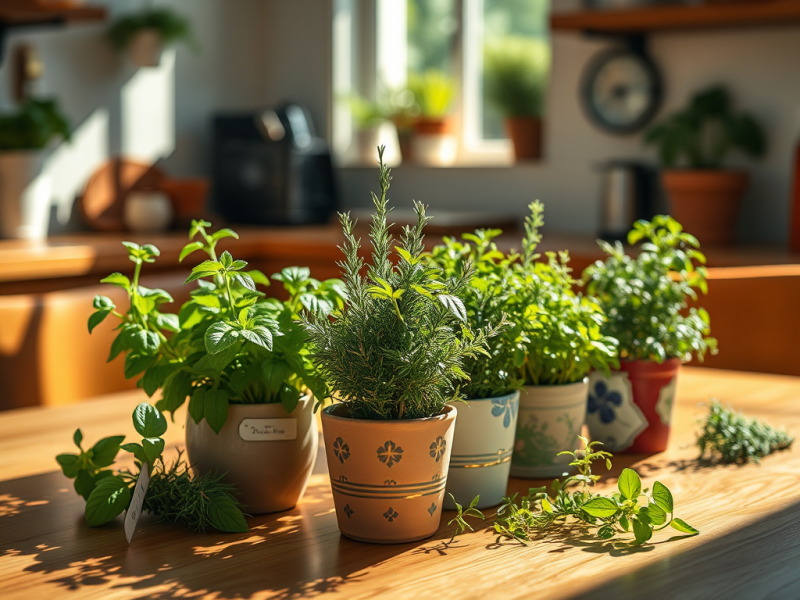
RV Herb Gardening: How to Grow a Mini Herb Garden in Your Kitchen
If you love cooking on the road, having fresh herbs in your RV kitchen can take your meals to the next level. Plus, there’s something magical about snipping fresh basil or rosemary right before tossing it into your dish. The best part? You don’t need a big space or a green thumb to grow a…
Keep reading
 RV Ready or Not
Leave a comment