
Wildfire season can be unpredictable, especially when you’re on the road in your RV. While the freedom of RV life is thrilling, staying safe during wildfire season requires extra attention. This guide will help you navigate wildfire-prone areas with smart safety tips and practical route planning advice, ensuring that you and your loved ones stay protected while enjoying the open road.
Understanding Wildfire Risks
Wildfires can spread rapidly, fueled by dry conditions, strong winds, and high temperatures. They can ignite from natural causes like lightning or human activities such as unattended campfires, discarded cigarettes, or sparks from equipment. If you’re RVing in areas known for wildfires, like the western U.S., it’s essential to stay informed about local conditions.
Stay Updated: Sign up for emergency alerts in the regions you plan to visit. Websites like InciWeb provide real-time wildfire updates, and weather apps can alert you to changing conditions. Consider downloading apps like FEMA or Red Cross Emergency for instant notifications. Always listen to local radio stations for the latest updates, as conditions can change rapidly.
Understanding the signs of a nearby wildfire can also be lifesaving. Look out for unusual clouds that appear dark and smoky, the strong smell of burning wood, or ash falling from the sky. If you notice any of these signs, it’s time to take immediate action.
Disclaimer:
This post contains affiliate links. If you click through and make a purchase, we may earn a small commission at no extra cost to you. This helps support our content. Thank you for your support!
Air Quality and Health Safety
Wildfire smoke can travel hundreds of miles, affecting air quality even if you’re far from the flames. Poor air quality can cause respiratory issues, especially for those with asthma, allergies, or other pre-existing health conditions. Even healthy individuals can experience irritation in the eyes, nose, throat, and lungs.
Tips:
- Keep RV windows and vents closed when traveling through smoky areas to prevent smoke from seeping inside.
- Use air conditioning in “recirculate” mode to limit smoke intake. This prevents outside air from entering your RV.
- Check the Air Quality Index (AQI) using apps like AirVisual or local environmental websites. An AQI over 100 can be harmful, especially for sensitive groups.
Recommended Products:
Amazon affiliate link

Amazon affiliate link

Emergency Preparedness for RV Travelers
Preparation is key when it comes to wildfire safety. Having an emergency plan can make a huge difference if you need to evacuate quickly. In a wildfire, every second counts, and the more prepared you are, the better your chances of staying safe.
Emergency Plan Essentials:
- Identify multiple evacuation routes in case your primary road is closed. Wildfires can spread quickly and unpredictably, cutting off roads with little notice.
- Keep your RV fueled up, as gas stations may be unavailable during emergencies. Aim to keep your tank at least half full at all times.
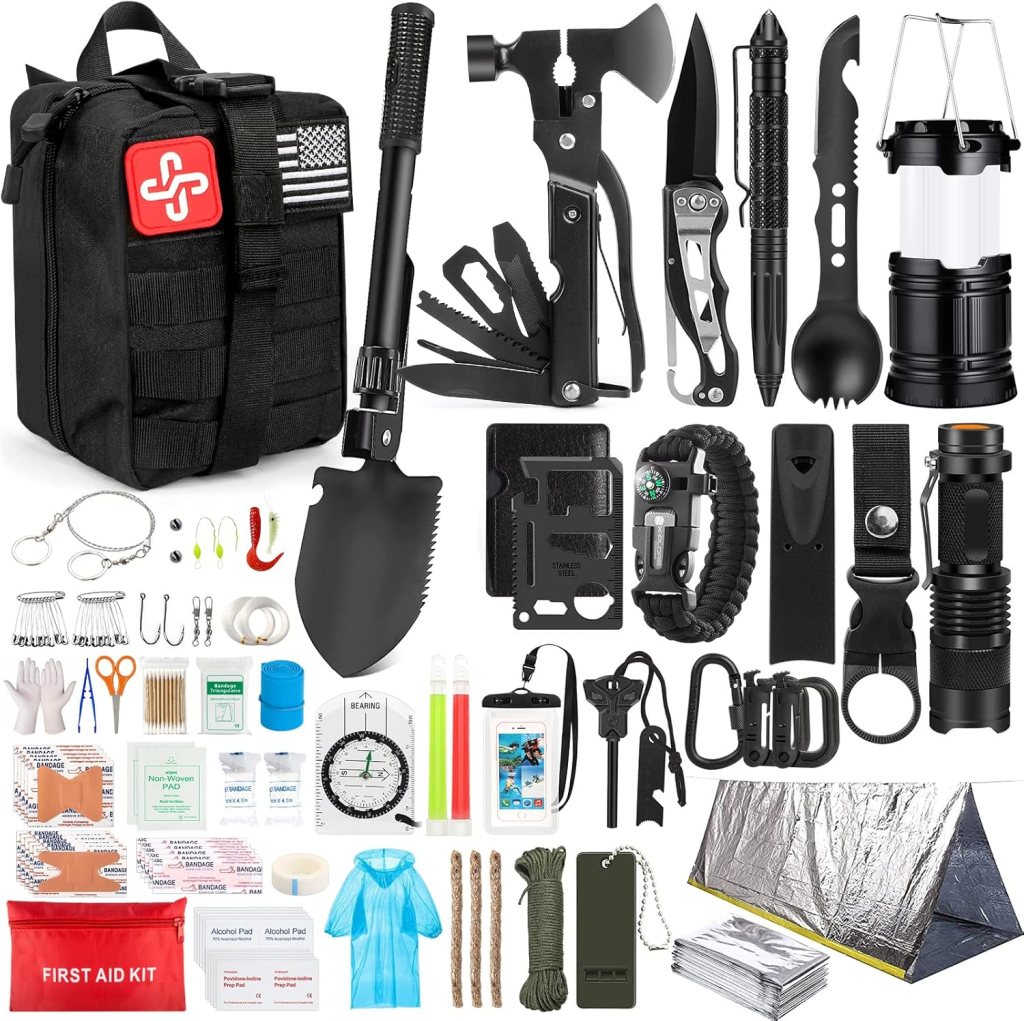
- Create a go-bag with essentials you can grab quickly. This should include important documents, medications, a flashlight, batteries, water, snacks, and a first aid kit.
- Have a communication plan with your family. Make sure everyone knows what to do and where to meet if you get separated.
Recommended Products:
Amazon affiliate link
Amazon affiliate link
Amazon affiliate link

Route Planning During Wildfire Season
When traveling through wildfire-prone areas, planning your route carefully is crucial. A well-thought-out plan can help you avoid danger zones and ensure you have safe options if conditions change unexpectedly.
Tips:
- Check for road closures before you depart. Websites like Caltrans QuickMap provide real-time road conditions, including closures due to wildfires.
- Avoid isolated backroads where escape routes may be limited. Stick to major highways whenever possible, as they are more likely to be maintained and accessible during emergencies.
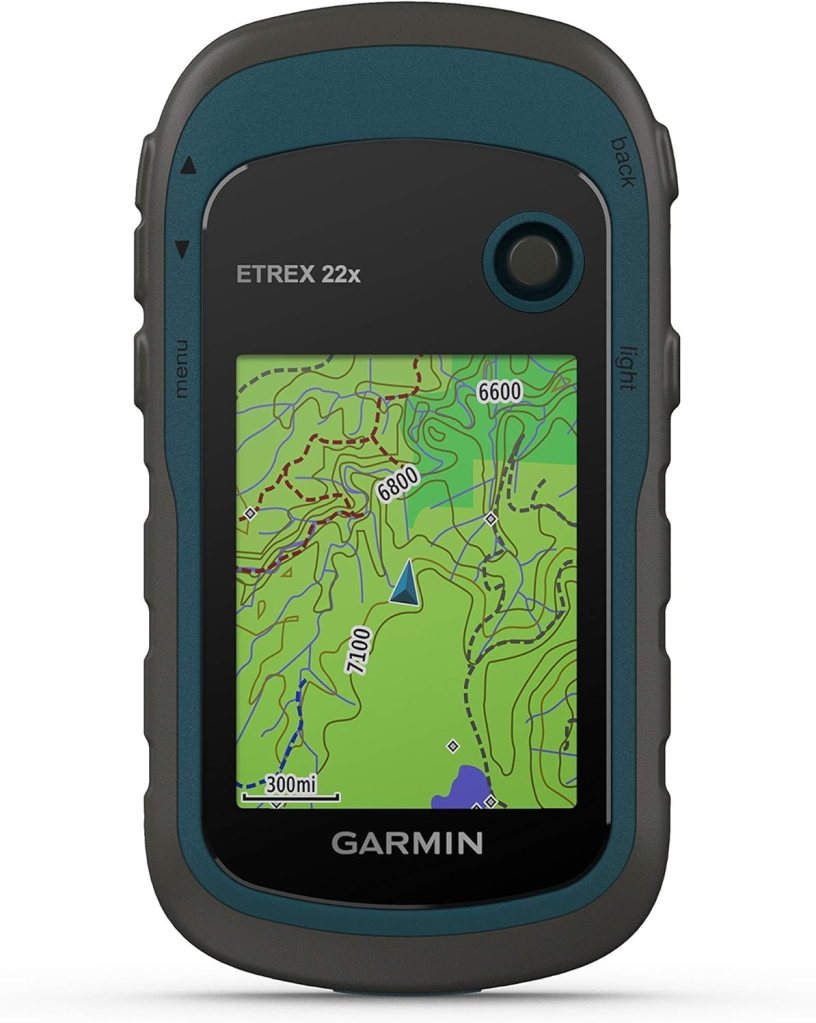
- Have paper maps as backups in case of GPS signal loss. Fires can damage cell towers, and remote areas often have spotty reception.
- Monitor local news and weather reports regularly while traveling. Consider using a CB radio or satellite phone in extremely remote areas.
Recommended Products:
Amazon affiliate link
Staying Powered and Connected
Wildfires can cause power outages, making it essential to have alternative power sources. Staying connected is crucial for receiving emergency updates and contacting help if needed.
Tips:
- Keep phones and devices fully charged. Charge them whenever you have access to power, as outages can happen without warning.
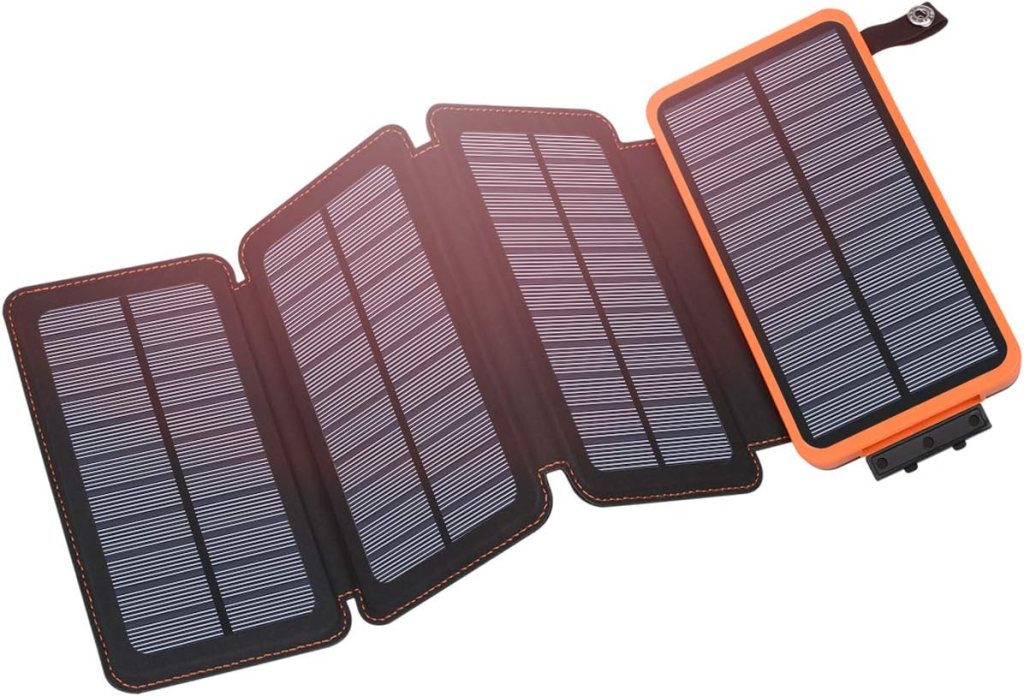
- Have backup power sources like solar chargers. They are eco-friendly and can provide power even in remote locations.
- Carry extra batteries for flashlights, radios, and other essential devices.
- Consider a portable generator if you’re frequently traveling in wildfire-prone areas.
Recommended Product:
Amazon affiliate link
Water Safety in Affected Areas
Smoke and ash can affect local water supplies, making it important to have clean drinking water. Even if your RV has a built-in filtration system, it may not be enough to handle contaminants caused by wildfires.
Tips:
- Store extra water in your RV. Aim to have at least one gallon per person per day for drinking, plus additional water for hygiene and cooking.
- Use a water filter if you’re unsure about water quality. This is especially important if you’re drawing water from natural sources or local supplies that may be compromised.
- Keep water containers sealed tightly to prevent contamination.
Recommended Product:
Amazon affiliate link

Final Thoughts
Traveling during wildfire season requires vigilance, but with the right preparation, you can enjoy your RV adventures safely. Stay informed, have a plan, and keep your emergency supplies ready. Always trust your instincts—if you feel unsafe, it’s better to move to a safer area sooner rather than later.
We’d love to hear from you! Have you ever traveled during wildfire season? Share your experiences and tips in the comments below. Don’t forget to check out our other posts for more RV travel tips and safety advice.
Stay safe and happy travels!

Small but Mighty: Best Houseplants for Cleaner Air & Better Focus in Your RV
Living in an RV or camper comes with its own unique challenges — limited space, shifting sunlight, and air that can get stale on the road. But even a tiny touch of greenery can transform your rig, helping freshen the air, boost focus, and bring a sense of calm to your rolling home. In this…
Keep reading
Best National Parks for RVing in the Midwest
The Midwest is home to some of the most unique and breathtaking national parks, offering a mix of rugged landscapes, lush forests, and scenic waterways. If you love RVing and exploring the great outdoors, these parks provide excellent campgrounds, incredible wildlife, and plenty of adventure. Here are the best national parks for RVing in the…
Keep reading
The Famous Trees of Florida Road Trip: 11 Can’t-Miss Natural Wonders for Your RV Adventure
When you think of Florida, you might picture beaches and palm trees—but some of the most unforgettable parts of the Sunshine State are hidden in its forests, parks, and swamps. From ancient oaks to towering cypress trees rising straight out of the water, Florida is home to some truly iconic natural landmarks. If you’re looking…
Keep reading
 RV Ready or Not
Leave a comment