
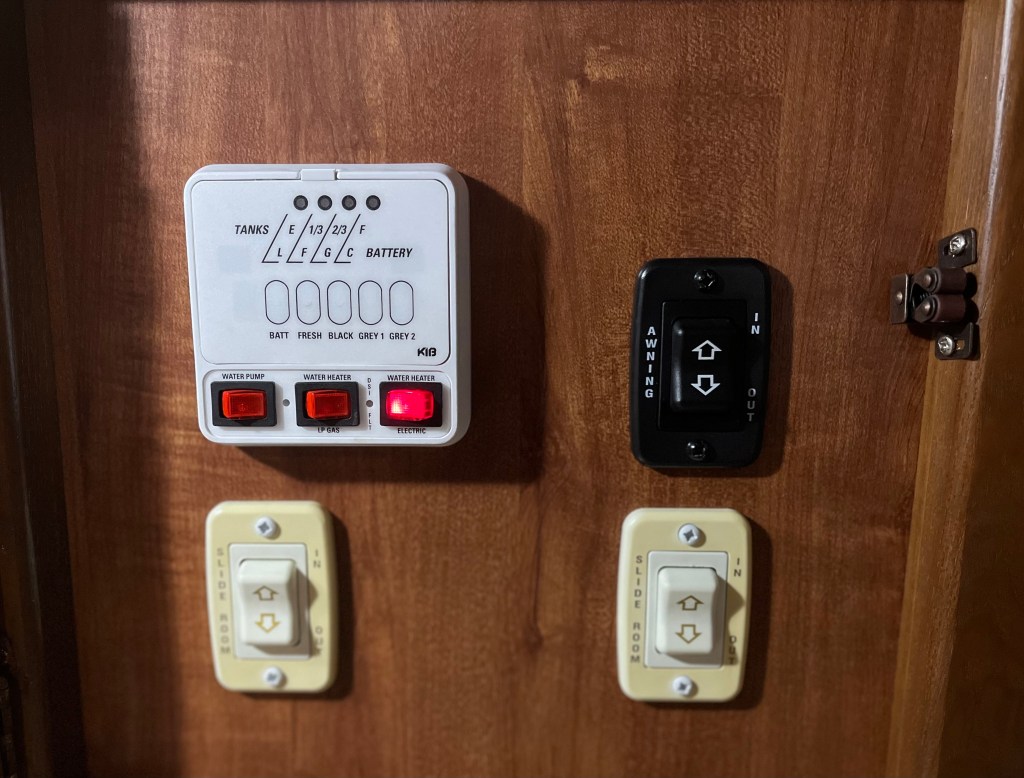
If you’ve been on the road for a while, you know the struggle of dealing with inaccurate tank sensor readings in your RV. One minute your gray tank says it’s empty, and the next, it’s suddenly full—even though you haven’t used much water. Annoying, right? Don’t worry; you’re not alone. Faulty tank sensors are a common issue for RV owners, but the good news is, you can often fix them yourself without needing a pricey service call.
In this guide, we’ll walk you through some simple, DIY solutions to get your RV’s holding tank sensors back on track. Whether it’s your fresh water, gray, or black tank giving you trouble, we’ve got you covered.
Why Do RV Tank Sensors Give Inaccurate Readings?
Before diving into the fixes, it helps to understand the problem. RV tank sensors usually fail because of one of these common culprits:
- Debris Buildup: Gunk from soap, grease, or waste can stick to the sensors, causing false readings.
- Faulty Sensors: Sometimes the sensors themselves just wear out over time.
- Electrical Issues: Loose connections or corrosion in the wiring can disrupt accurate readings.
- Improper Installation: If the sensors weren’t installed correctly, they might never have worked right to begin with.
Now that we know the usual suspects, let’s roll up our sleeves and get to the fun part—fixing it!
DIY Fixes for Inaccurate Tank Sensor Readings
1. Give Your Tanks a Deep Clean
The most common issue? Dirty tanks. Over time, residue builds up inside, clinging to the sensors. Here’s how to clean them effectively:
- Fill your tank halfway with warm water.
- Add two cups of baking soda and one cup of vinegar (for fresh or gray tanks) or a tank cleaning product designed specifically for RV tank sensors.
Why this works: Baking soda is a mild abrasive that helps scrub away grime, while vinegar’s acidic properties break down mineral deposits and soap scum. Together, they create a fizzing reaction that helps loosen stubborn debris from the tank walls and sensors.
- Drive around for about 30 minutes to let the mixture slosh around and scrub the tank walls.
- Drain and rinse thoroughly.
For black tanks, consider using ice cubes and a little water before driving around. The ice scrubs the walls as you move, helping to dislodge stubborn debris. Alternatively, you can use a black tank sensor cleaner designed specifically to target and clean faulty sensors, restoring accurate readings.
2. Check and Tighten Electrical Connections
Sometimes, the problem isn’t inside the tank at all. A loose wire can cause inaccurate readings. Here’s what to do:
- Turn off your RV’s power: Locate the main power switch or breaker panel, usually found near the entrance, in a storage compartment, or inside a cabinet. Switch off the main power to ensure safety.
- Locate the tanks and sensor wires: RV holding tanks (fresh, gray, and black) are typically mounted underneath the RV or in the basement storage compartments. Look for large plastic or metal containers. The sensor wires are attached to the outside of the tanks, often connected to small metal probes or screws.
- Check for loose connections: Inspect where the wires connect to the sensors on the tank. Look for any wires that seem loose, corroded, or damaged.
- Tighten the connections: Use a screwdriver to gently tighten any loose screws holding the wires in place. If you notice corrosion, clean the connection points with a wire brush to ensure proper contact. Make sure not to overtighten, as this can damage the connection.
3. Replace Faulty Sensors
If cleaning and checking connections don’t work, you might need to replace the sensors themselves. Thankfully, this is often a straightforward process.
Before purchasing replacement sensors, it’s crucial to ensure they are compatible with your RV model. Here’s how to find the right match:
- Check your RV’s manual: Your owner’s manual often lists the specifications for tank sensors, including the type and model number.
- Look for model information on the existing sensors: Inspect your current sensors for any labels or markings that indicate the brand, model number, or specifications. This information is usually printed on the sensor casing.
- Consult the RV manufacturer: If you’re unsure, contact your RV manufacturer directly. Provide them with your RV’s make, model, and year—they can recommend compatible sensors.
- Consider universal sensors: Some aftermarket sensors are designed to be compatible with a wide range of RV models. Check the product description to confirm if it will work with your specific tank setup.
- Read product reviews: When shopping online, look for reviews from other RV owners with similar models. This can provide valuable insight into compatibility and performance.
- Where to buy: You can purchase replacement sensors at RV supply stores, automotive parts retailers, or trusted online platforms like Amazon. Specialized RV websites also offer a wide selection tailored to different RV makes and models.
Once you have the right sensors, here are the steps to replace them:
- Drain the tank completely.
- Remove the old sensors (usually held in place with screws or clips).
- Install the new sensors, ensuring a tight, secure fit.
- Reconnect the wiring and test the system.
4. Install an External Tank Monitoring System
If you’re tired of dealing with unreliable sensors, consider upgrading to an external tank monitoring system. These systems don’t rely on internal probes, which means no more false readings caused by residue or buildup.
Amazon Affiliate Disclaimer:
This post contains affiliate links, which means I may earn a small commission if you purchase through these links at no extra cost to you. Thank you for supporting my content—it helps me keep sharing useful tips for RV enthusiasts like you!
Recommended Products to Make the Job Easier
- Camco RV Flexible Swivel Stik with Shutoff Valve – Perfect for deep-cleaning black tanks, especially those with hard-to-reach corners.
- Unique Restore-it Sensor Tank Cleaner – A powerful cleaner designed specifically for RV holding tank sensors to eliminate buildup and restore accurate readings in fresh and gray water tanks.
- Thetford Black Tank Sensor Cleaner – Specially formulated to target and clean black tank sensors, helping to fix false readings caused by stubborn waste residue.
- Lavaxon Wire Brush Set – Great for cleaning corroded electrical connections and ensuring proper contact.
- SeeLevel II Tank Monitoring System – An external sensor system that eliminates the common problems associated with traditional probes.
- Baking Soda & Vinegar Kit – An all-natural, budget-friendly option for cleaning fresh and gray water tanks effectively.
Final Thoughts
Fixing inaccurate tank sensors on your RV might seem daunting at first, but with a little DIY spirit and the right tools, it’s totally doable. Regular maintenance, like keeping your tanks clean and checking connections, can prevent future issues and keep your RV adventures stress-free.
Have you dealt with tank sensor issues before? What tricks have worked for you? Leave a comment below to share your experiences, and don’t forget to check out more of our blog posts for handy RV tips and tricks!
 RV Ready or Not
Leave a comment