
When it comes to RV living, choosing the right vehicle is one of the most important decisions you’ll make. The perfect RV can turn your adventures into a dream lifestyle, while the wrong one might leave you feeling cramped, stressed, or financially overburdened. Whether you’re planning to travel full-time, take seasonal road trips, or enjoy weekend getaways, finding the RV that aligns with your needs is key to maximizing your experience.
RVs come in many shapes and sizes, each offering unique features and catering to different travel styles and budgets. From compact camper vans to spacious fifth wheels, understanding these types, their features, and how they align with your needs is essential. This guide helps you navigate the options to find the best fit for your adventures.
Let’s dive into the details and help you find the perfect RV to bring your travel dreams to life.
Understanding the Different Types of RVs
RVs fall into two main categories: drivable and towable. Let’s explore the features, pros, and cons of each type to help you make an informed decision.
Drivable RVs
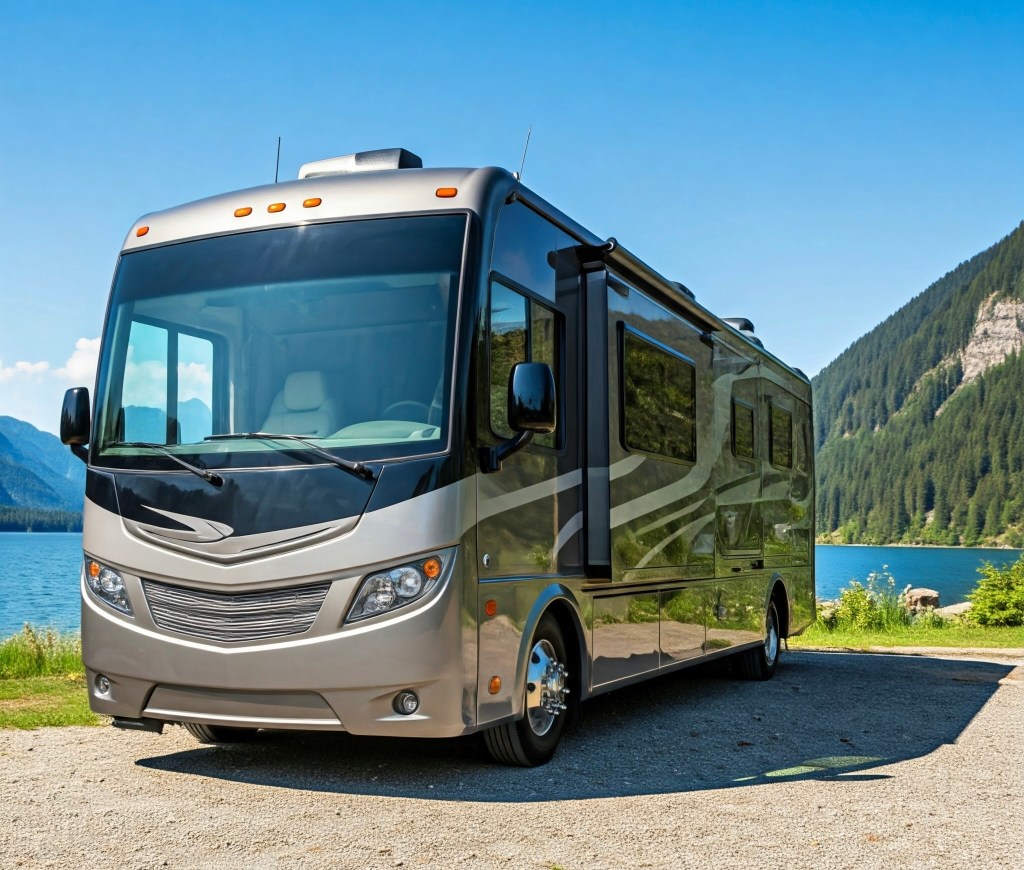
- Class A Motorhomes Class A motorhomes are the epitome of luxury in the RV world. These large, bus-like vehicles often come equipped with high-end features, making them ideal for full-time living or extended trips.
- Pros:
- Spacious interiors with ample room for living and storage.
- High-end amenities, such as residential-style kitchens, large bathrooms, and entertainment systems.
- Excellent choice for families or those seeking a luxurious experience.
- Cons:
- High purchase and maintenance costs.
- Poor fuel efficiency due to size and weight.
- Difficult to maneuver in tight spaces or urban areas.
- Pros:
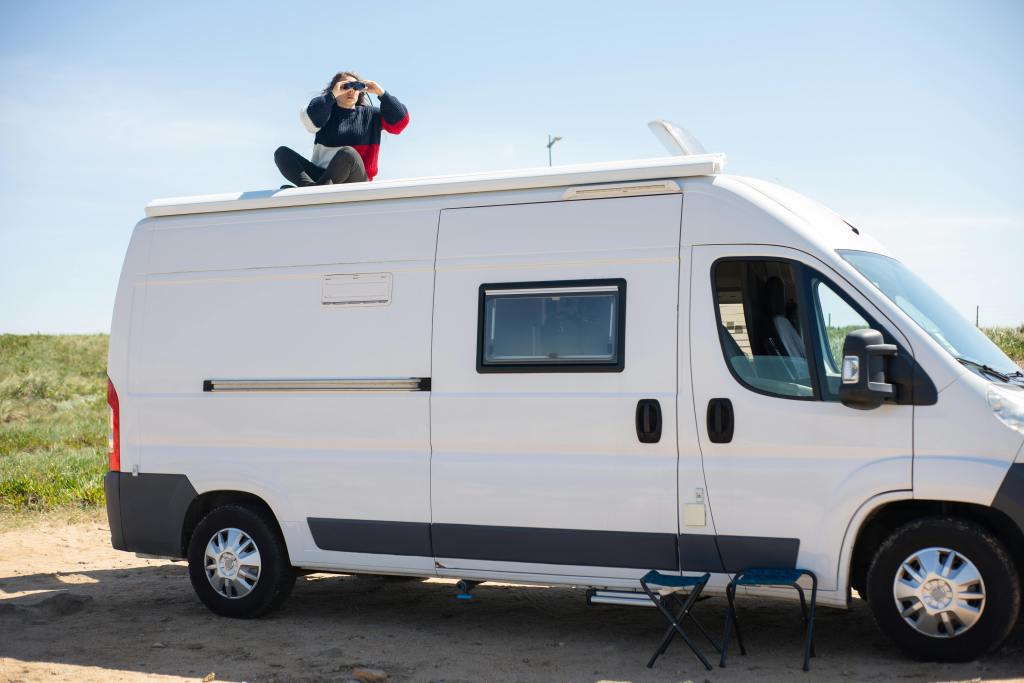
- Class B Motorhomes (Camper Vans) Class B motorhomes are compact, van-like RVs that are easy to drive and park, making them a favorite for solo travelers or couples.
- Pros:
- Easy to drive and fits into standard parking spaces.
- Good fuel efficiency compared to larger RVs.
- Perfect for short trips or urban exploration.
- Cons:
- Limited interior space and storage.
- Fewer amenities compared to larger models.
- Can feel cramped for long trips or multiple occupants.
- Pros:
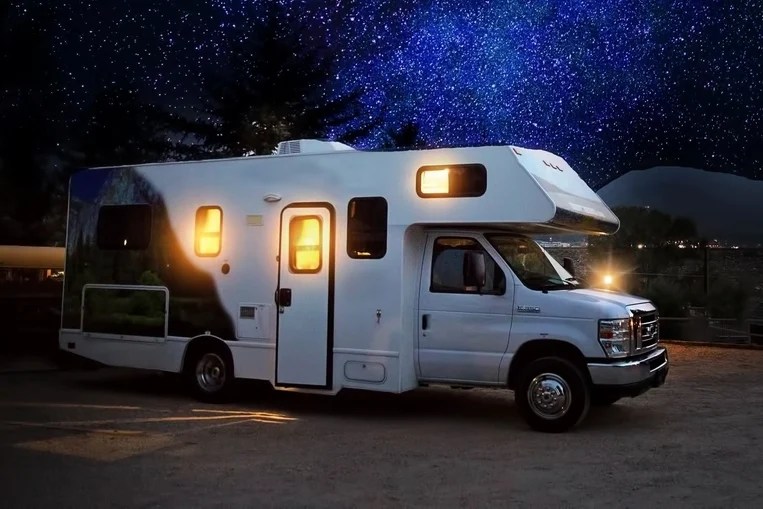
- Class C Motorhomes Class C motorhomes strike a balance between the luxury of Class A and the compactness of Class B. Recognizable by their over-cab sleeping area, they’re a versatile choice for families or small groups.
- Pros:
- Affordable and widely available.
- Offers a good balance of space and drivability.
- Often includes more storage and sleeping areas than Class B.
- Cons:
- Lower fuel efficiency compared to Class B.
- Limited off-road capability.
- Can feel crowded with larger groups.
- Pros:
Towable RVs
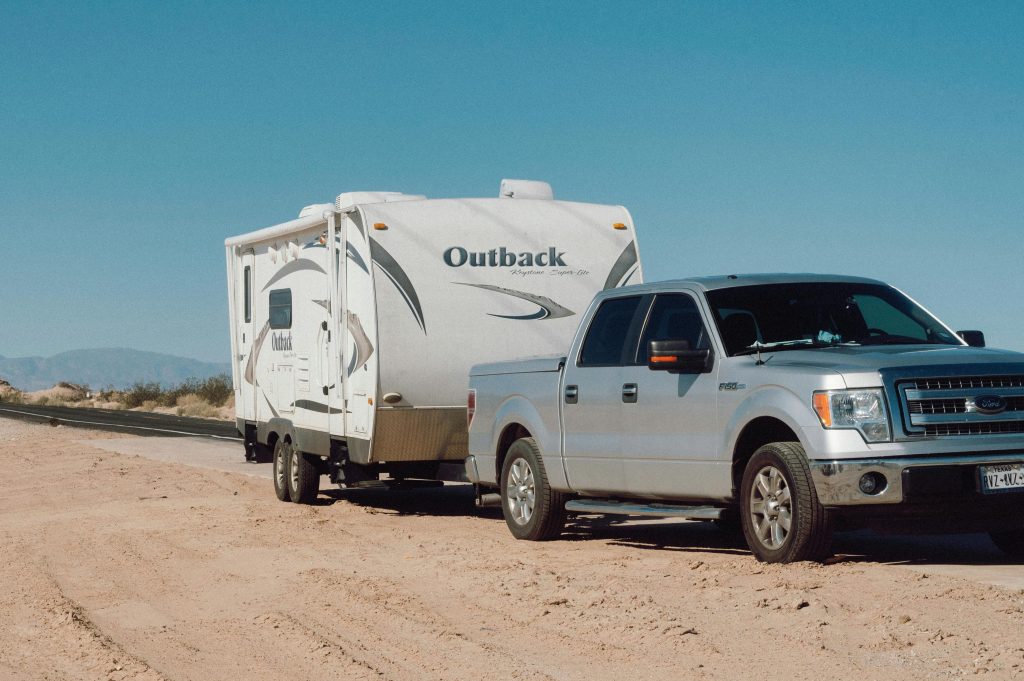
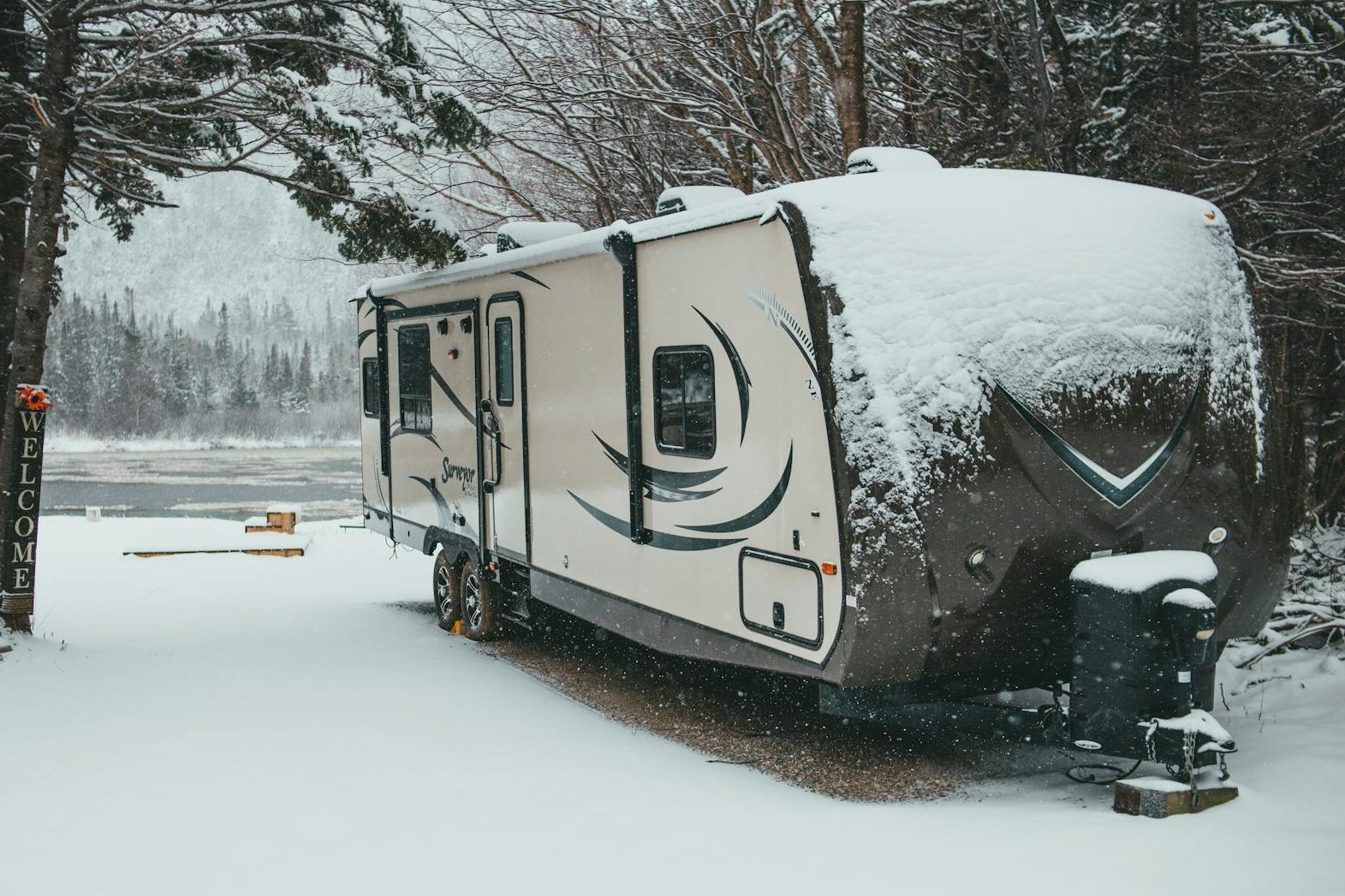
- Travel Trailers Travel trailers are towable RVs that come in a wide range of sizes and styles. They offer flexibility for travelers who already own a tow vehicle.
- Pros:
- Versatile with various sizes and layouts.
- More affordable than motorized RVs.
- Can be unhitched, allowing for easier exploration in your tow vehicle.
- Cons:
- Requires a capable tow vehicle.
- Challenging to tow and park for beginners.
- More setup time at campsites.
- Towing Requirements:
- Compact travel trailers can be towed by SUVs or light trucks.
- Larger models require half-ton or three-quarter-ton trucks for safe towing.
- Pros:
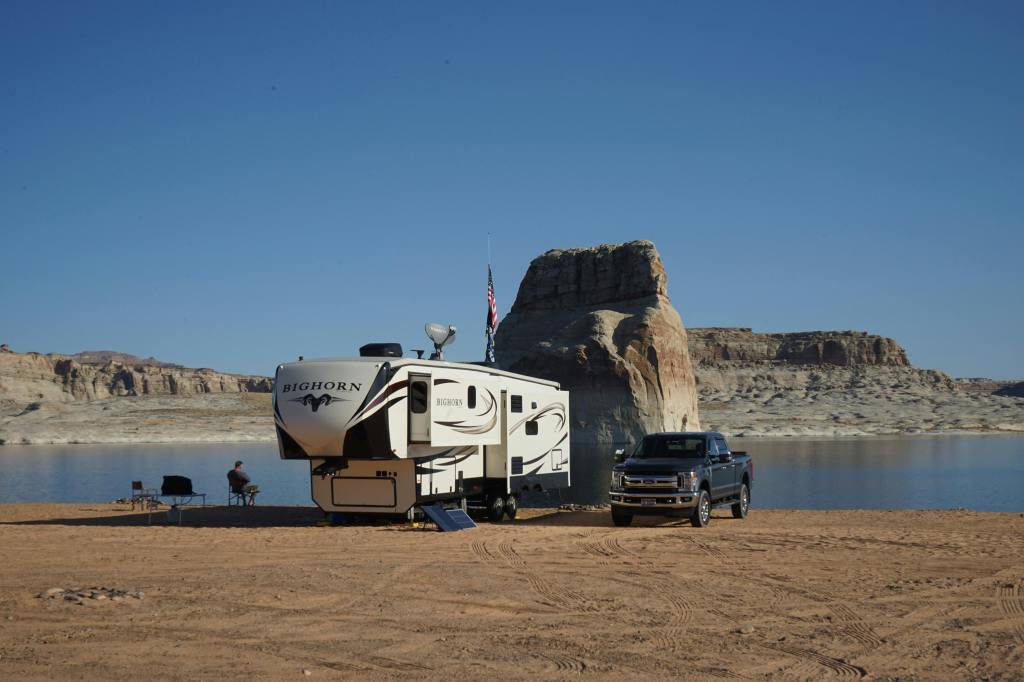
- Fifth Wheels Fifth-wheel trailers attach to a hitch in the bed of a pickup truck, offering a stable towing experience and spacious interiors.
- Pros:
- Spacious layouts with high ceilings and slide-outs.
- Separate living areas for added comfort.
- Ideal for families or full-time RVers.
- Cons:
- Requires a heavy-duty truck with a fifth-wheel hitch.
- More challenging to maneuver and park.
- Higher overall costs for maintenance and towing.
- Towing Requirements:
- Heavy-duty trucks (¾-ton or 1-ton) are required to tow most fifth wheels.
- Diesel engines often provide better towing performance and fuel efficiency.
- Pros:
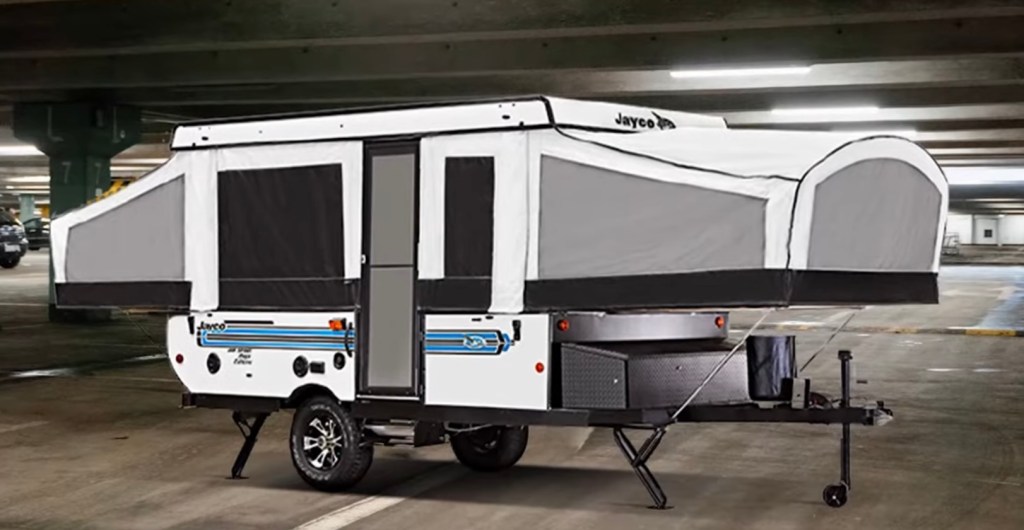
- Pop-Up Campers Pop-up campers are lightweight and compact, making them an excellent choice for weekend campers or those new to RVing.
- Pros:
- Affordable and easy to tow.
- Compact for storage and lightweight for smaller vehicles.
- Provides a camping experience with added comfort.
- Cons:
- Limited amenities and insulation.
- Requires setup and takedown at each stop.
- Not ideal for extreme weather or extended use.
- Towing Requirements:
- Most pop-up campers can be towed by standard cars, SUVs, or light trucks.
- Pros:
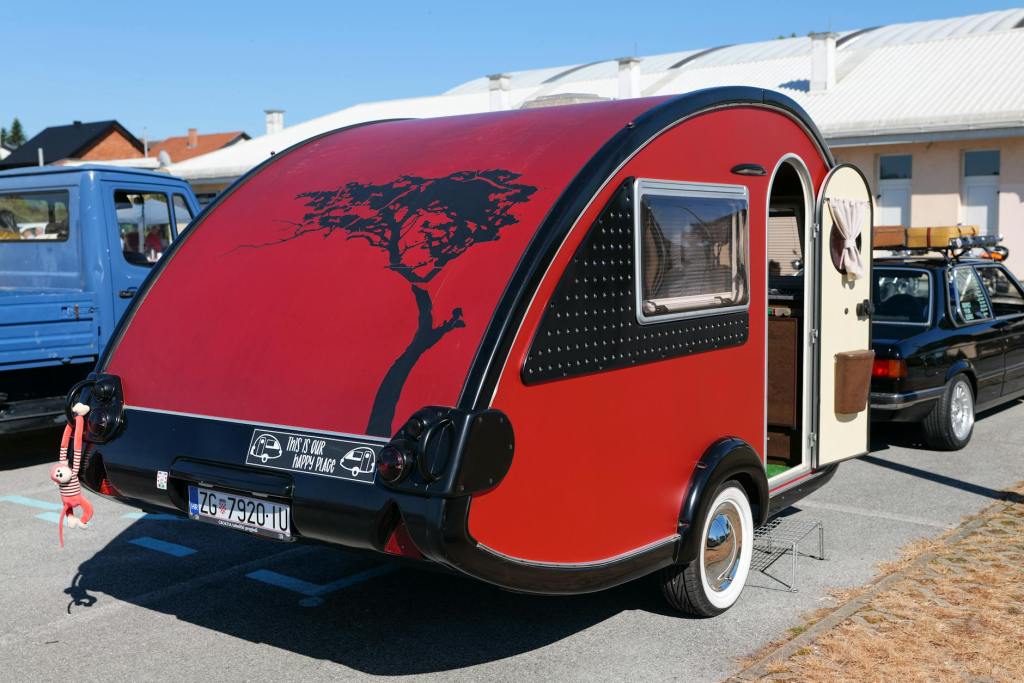
- Teardrop Trailers These small, aerodynamic trailers are perfect for minimalists who value simplicity and efficiency.
- Pros:
- Lightweight and easy to tow with most vehicles.
- Quick setup and minimal maintenance.
- Encourages outdoor living with basic indoor comforts.
- Cons:
- Extremely limited interior space.
- Minimal amenities, often lacking bathrooms or kitchens.
- Not suitable for families or long trips.
- Towing Requirements:
- Teardrop trailers can typically be towed by sedans, small SUVs, or light trucks.
- Pros:
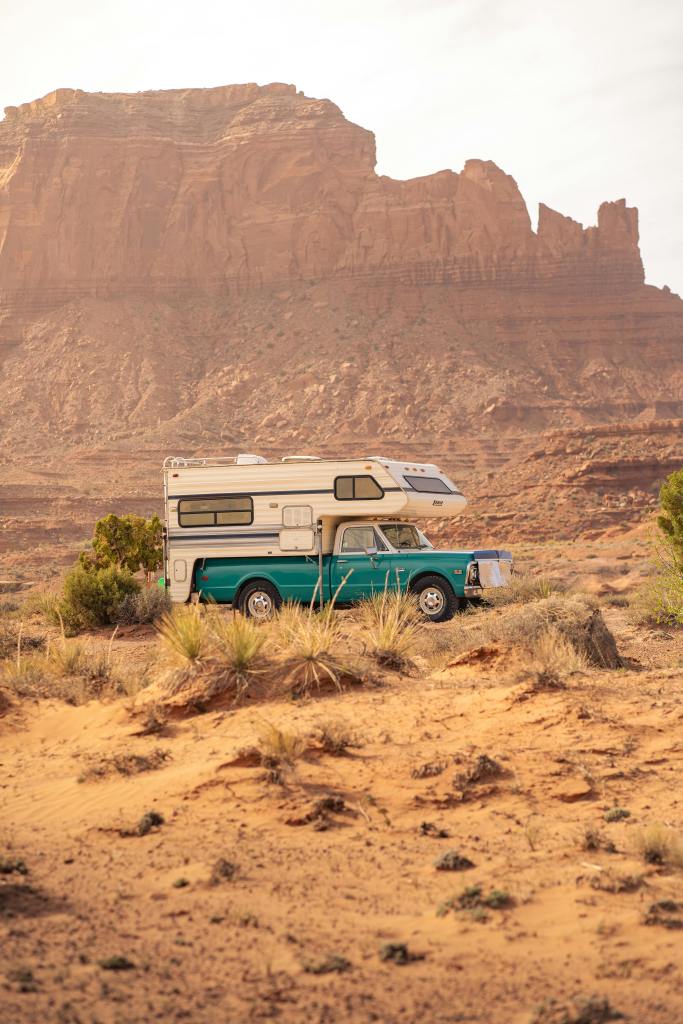
- Truck Campers Truck campers fit into the bed of a pickup truck, offering a compact and versatile option for adventurous travelers.
- Pros:
- Compact and easy to maneuver.
- Capable of off-road and remote travel.
- Can be detached for independent use of the truck.
- Cons:
- Very limited living and storage space.
- Requires a compatible truck with sufficient payload capacity.
- Challenging access when mounted on the truck.
- Towing Requirements:
- Requires a heavy-duty truck with ample payload capacity.
- Pros:
- Toy Haulers Toy haulers are designed for travelers who need to transport recreational equipment like ATVs, motorcycles, or kayaks.
- Pros:
- Dual-purpose design with spacious cargo areas.
- Separate living spaces for comfort and utility.
- Ideal for adventure seekers with large gear.
- Cons:
- Heavier and more challenging to tow.
- Higher fuel costs due to added weight.
- Limited living space in smaller models.
- Towing Requirements:
- Half-ton trucks can tow smaller toy haulers.
- Larger models often require three-quarter-ton or 1-ton trucks.
- Pros:
Matching Your Travel Style to the Right RV
Your travel style plays a significant role in determining the best RV for you. Ask yourself these questions:
- How often will you travel? If you plan frequent trips, a Class B or Class C RV may be more convenient due to their smaller size and ease of use. For seasonal or full-time living, a Class A or Fifth Wheel might be better.
- Where will you travel? Adventurous off-road trips call for a Truck Camper or a smaller, rugged Travel Trailer. For RV parks and campgrounds, larger models like Class A or Fifth Wheels are ideal.
- Who will travel with you? Solo travelers or couples might prefer a Teardrop Trailer or Class B RV. Families or groups should consider Class C, Fifth Wheels, or Travel Trailers with ample sleeping space.
Setting Your Budget
RV prices vary widely. Here are some general guidelines:
- Class A: $100,000 to over $500,000
- Class B: $60,000 to $150,000
- Class C: $70,000 to $200,000
- Travel Trailers: $15,000 to $50,000
- Fifth Wheels: $50,000 to $150,000
- Pop-Up Campers: $10,000 to $20,000
- Teardrop Trailers: $5,000 to $20,000
- Truck Campers: $20,000 to $50,000
- Toy Haulers: $40,000 to $200,000
Beyond the purchase price, consider additional costs such as insurance, maintenance, fuel, and campsite fees. Insurance varies by RV type and value, so compare rates for the best deal. Maintenance expenses include routine servicing, tire replacements, and unexpected repairs, especially for older models. Larger motorhomes typically incur higher fuel costs, depending on usage and distance. Campsite fees range from budget-friendly public grounds to premium RV resorts and can add up during extended trips.
Planning for these expenses ensures your RVing experience remains enjoyable and stress-free.
Testing Before Buying
Before buying an RV, try renting one to test its features, layout, and comfort. Platforms like Outdoorsy, RVshare, and Cruise America offer various RVs, from compact vans to luxury motorhomes. Focus on practical aspects like kitchen usability, sleeping arrangements, and maneuverability. Testing an RV in real-world scenarios helps ensure it fits your travel style and prevents costly mistakes.
Conclusion
Choosing the right RV doesn’t have to be stressful. By understanding the different types of RVs, considering your travel style, setting a budget, and testing options, you can find the perfect RV for your needs. Start your journey today to find the best RV for you with these helpful RV buying tips, and embrace the adventure of RV living with confidence. Remember to focus on what matters most to you, whether it’s comfort, size, or affordability.
Take your time, do your research, and enjoy the journey of finding your dream RV. Once you have it, the open road awaits—a world of adventure, breathtaking scenery, and unforgettable experiences. Whether you’re planning to explore national parks, embark on cross-country road trips, or find peace in a quiet campground, your RV is your ticket to freedom and discovery.
Start planning today, and let the open road guide you to incredible memories and endless possibilities.
 RV Ready or Not
Leave a comment