A beginner-friendly overview of RV living, covering essential topics like types of RVs, basic costs, and lifestyle adjustments.
Introduction
Have you ever dreamed of hitting the open road with the freedom to explore at your own pace, all while having your home with you? RV living offers that and so much more. Whether you’re planning to become a full-time RVer or just want to enjoy occasional getaways, it’s an adventure that’s equal parts exciting and challenging. Before you dive in, it’s essential to understand the basics to ensure a smooth start to your RV journey.
This guide will walk you through the fundamentals of RV living, from choosing the right type of RV to understanding costs and lifestyle changes. By the end, you’ll have a clear idea of what to expect and how to prepare for life on the road.
Types of RVs for Full-Time Living: Find Your Perfect Fit
The first step in your RV journey is choosing the right RV. There are several types to consider, each with its own pros and cons:
- Class A Motorhomes
- Large, bus-like RVs with plenty of space.
- Ideal for families or those seeking luxury.
- Higher costs for purchase and fuel.
- Class B Motorhomes (Camper Vans)
- Compact and easy to drive.
- Great for solo travelers or couples.
- Limited living space but better fuel efficiency.
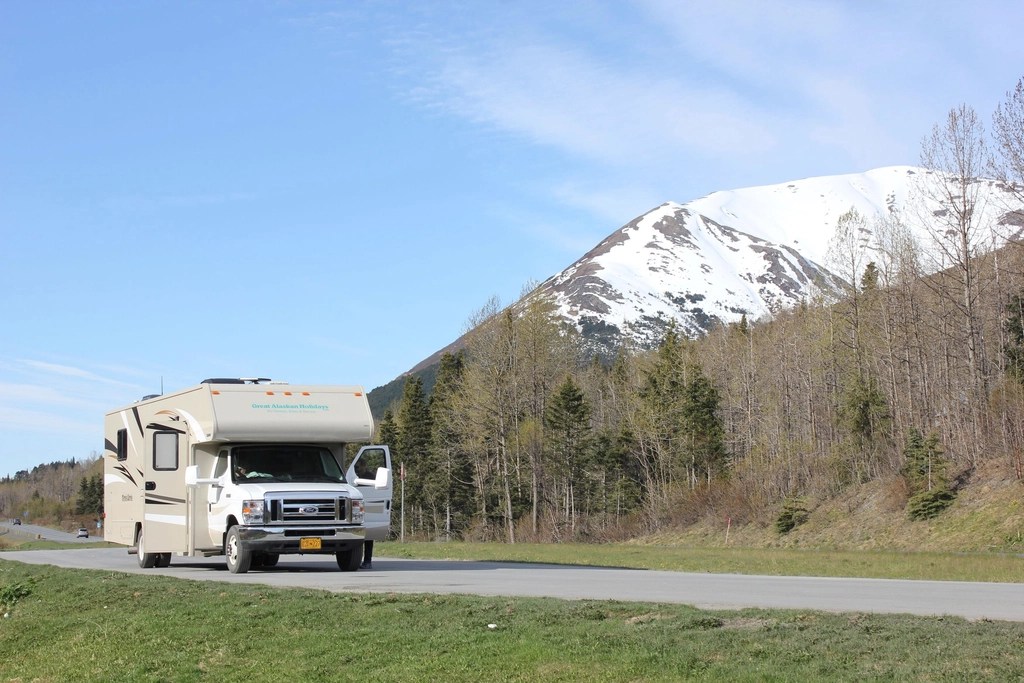
- Class C Motorhomes
- A middle ground between Class A and Class B.
- Feature over-the-cab sleeping areas and more space than Class B.
- Suitable for small families.
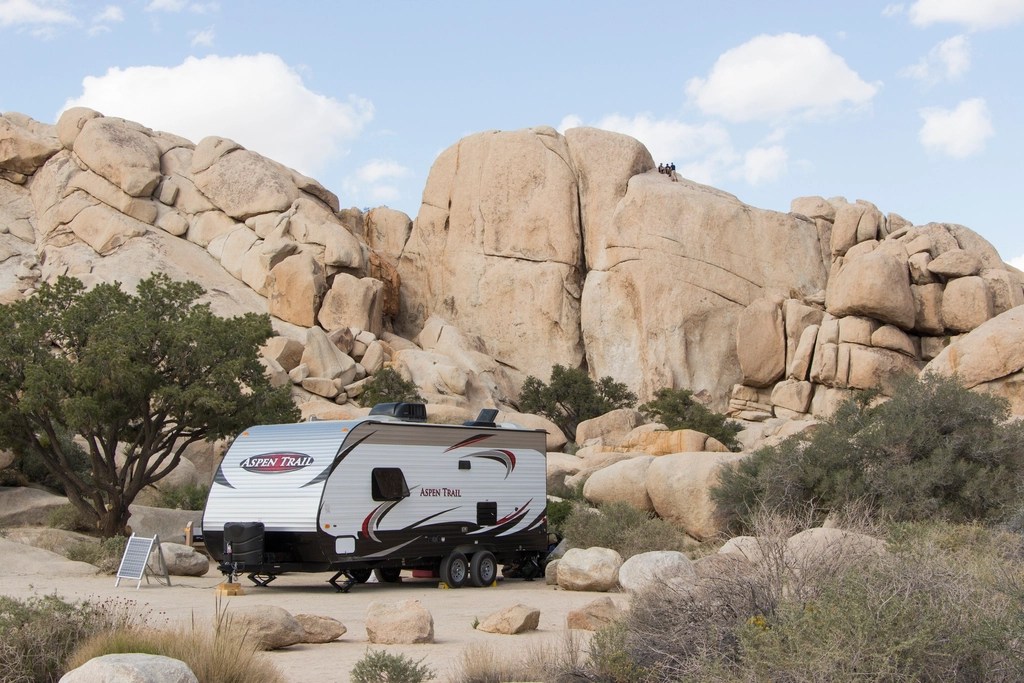
- Travel Trailers
- Towable RVs that range in size and features.
- Require a vehicle with adequate towing capacity.
- Versatile and often more affordable.
- Fifth Wheels
- Large towable RVs that attach to a pickup truck.
- Offer spacious living areas and luxury options.
- Require a specific type of hitch.
- Pop-Up Campers and Teardrop Trailers
- Compact and lightweight.
- Ideal for weekend trips or minimalists.
- Limited amenities compared to larger RVs.
Take time to assess your needs, budget, and travel plans. If possible, rent different types of RVs to get a feel for what works best for you.
Breaking Down the Costs of Full-Time RV Living
While RV living can be cost-effective compared to traditional housing, it’s not without expenses. Here’s a breakdown of common costs:
- Initial Purchase or Rental Costs
- New RVs can range from $10,000 for basic trailers to over $300,000 for luxury motorhomes.
- Used RVs are more affordable but may require maintenance.
- Rentals vary depending on the type and duration.
- Fuel (See more on The True Cost of RV Fuel: How to budget and save on gas)
- Gas or diesel expenses can add up, especially for larger motorhomes.
- Average miles per gallon (MPG) vary by type:
- Class A Motorhomes: 6-10 MPG
- Class B Motorhomes: 18-25 MPG
- Class C Motorhomes: 10-12 MPG
- Travel Trailers and Fifth Wheels: Depends on the tow vehicle (typically 10-20 MPG for trucks).
- Plan your routes to minimize unnecessary mileage.
- Campsite Fees (Check out: How to Find the Best RV Campgrounds in the U.S.)
- Prices range from free (boondocking) to $50+ per night at RV parks.
- Boondocking refers to camping without hookups, often on public lands or in remote areas. It’s free but requires self-sufficiency, as you’ll need to bring your own water, power, and waste management solutions. Boondocking is great for those who enjoy solitude and nature, but it demands careful planning.
- RV parks, on the other hand, provide amenities like electricity, water, sewer connections, and often Wi-Fi. These parks cater to travelers looking for convenience and community, making them an excellent option for beginners. The costs typically range from $30 to $70 per night, depending on location and features.
- Memberships like Passport America or Thousand Trails can offer discounts at participating parks, making long-term stays more affordable.
- Insurance (Learn more in: What you Need to Know about RV Insurance, Registration, and Legal Requirements.)
- RV insurance is mandatory and varies by type, age, and value of the RV. On average, you can expect the following annual costs:
- Class A Motorhomes: $1,500 to $2,500
- Class B Motorhomes: $500 to $1,000
- Class C Motorhomes: $800 to $2,000
- Travel Trailers and Fifth Wheels: $250 to $1,000 (depending on size and features).
- Factors influencing premiums include:
- The RV’s age, type, and value.
- Usage (full-time vs. part-time).
- Your driving history and location.
- Full-time RVers often require additional coverage, such as liability insurance akin to homeowner’s insurance, which can increase premiums. It’s important to shop around and compare quotes from providers specializing in RV insurance.
- RV insurance is mandatory and varies by type, age, and value of the RV. On average, you can expect the following annual costs:
- Maintenance and Repairs
- Routine maintenance includes oil changes, tire replacements, and appliance checks.
- Unexpected repairs can be costly, so budget for emergencies.
- RVs, especially older ones, are prone to wear and tear due to their complexity and exposure to various environments. Common issues include leaks, electrical malfunctions, and appliance failures.
- Repairs are not uncommon and can range from minor fixes to major overhauls. For example, roof repairs due to leaks or tire blowouts are frequent challenges.
- For unexpected repairs, RV service centers, dealerships, and mobile RV technicians are the go-to options. Mobile RV technicians can come to your campsite, saving you the hassle of moving your RV.
- Preventative maintenance, such as regularly inspecting seals, cleaning systems, and keeping up with manufacturer-recommended services, can help minimize costly repairs.
- While it’s true that repairs may arise, they are part of the adventure, and many RVers find the joy of problem-solving and learning new skills incredibly rewarding. Plus, the ability to customize and care for your RV often creates a deeper sense of ownership and pride. Communities and online forums are also excellent sources of support for troubleshooting and finding reliable repair services.
- Utilities (Discover more in “RV Power Options and Utilities Guide: Understanding Hookups, Generators, and Solar Solutions.“)
- Electricity: Hookups at campsites are often included in fees, but off-grid living may require solar panels or generators.
- Water: Many RV parks provide water hookups. If boondocking, you’ll need to fill your tanks beforehand.
- Sewer: Hookups for sewer connections are standard at RV parks. Portable waste tanks are needed for boondocking.
- Propane: Used for heating, cooking, and refrigeration. Costs vary but generally range from $2 to $4 per gallon.
- Internet and Connectivity: Staying connected is essential for many RVers. Mobile hotspots, signal boosters, and satellite internet services like Starlink are popular options, with costs ranging from $50 to $150 per month depending on the plan. (Read “How to Stay Connected on the Road: Internet and Cell Service for RVers” for more help.)
- Other Expenses
- Groceries, entertainment, internet, and personal items.
- Storage fees if you’re keeping belongings elsewhere.
Creating a detailed budget will help you manage your finances and avoid surprises.

Adjusting to the RV Lifestyle
Transitioning to RV living requires some lifestyle changes. Here are key areas to consider:
- Downsizing (Learn more in “The Minimalist’s Guide to RV Living: What to Pack and What to Leave Behind“.)
- Living in an RV means limited space. You’ll need to declutter and prioritize essentials.
- Storage solutions like collapsible containers and multi-purpose furniture can help maximize space.
- Daily Routines
- Tasks like setting up your campsite, emptying tanks, and maintaining the RV become part of your routine.
- Learn the basics of RV maintenance to save time and money.
- Connectivity
- Staying connected can be challenging in remote areas.
- Consider investing in a mobile hotspot, signal booster, or satellite internet.
- Community and Socializing (Read also “RV Community and Social Life: How to Make Connections on the Road“.)
- The RV community is welcoming and diverse. Attend meetups, join online forums, or chat with neighbors at campsites.
- Balancing solitude and social interaction is important for your mental health.
- Adapting to New Environments
- From weather changes to unfamiliar roads, RV living keeps you on your toes.
- Plan for seasonal adjustments, such as insulation in winter or air conditioning in summer.
Tips for a Smooth Start
- Practice Before You Commit
- Take a few short trips to get comfortable with driving, parking, and setting up your RV.
- Experiment with boondocking (off-grid camping) to test your self-sufficiency.
- Plan Your Routes
- Use apps like RV Life or Campendium to find RV-friendly routes, campsites, and rest stops.
- Be mindful of low-clearance bridges and weight restrictions.
- Stay Organized
- Create checklists for packing, setup, and maintenance.
- Keep essential tools and spare parts on hand.
- Learn the Basics
- Understand how your RV’s systems work, including water, electricity, and waste.
- Familiarize yourself with safety procedures, such as fire extinguisher use and propane handling.
- Be Flexible
- Unexpected challenges are part of RV life. Embrace the adventure and learn to adapt.
Conclusion
RV living offers an unparalleled sense of freedom and adventure. It’s a chance to explore new places, meet interesting people, and create lasting memories. However, it’s important to approach this lifestyle with preparation and flexibility. By understanding the costs, choosing the right RV, and embracing the unique aspects of life on the road, you can make your dream of RV living a reality. Happy travels!
Check out more of our articles below.

20 Must-Have Outdoor Accessories for RV Enthusiasts
Introduction Life on the road is all about adventure, freedom, and making the most of the great outdoors. Whether you’re boondocking in the middle of nowhere or relaxing at a well-equipped RV park, having the right outdoor accessories can turn your experience from good to absolutely amazing. From sizzling up meals on a portable grill…
Keep reading

Essential RV Security Tips: Best Locks, Alarms, and Gadgets to Keep Your Home Safe
Traveling in an RV is one of the most freeing and adventurous lifestyles you can choose, but with that freedom comes the need to protect your home on wheels. Whether you’re parked at a campground, boondocking in a remote location, or stopping for supplies in town, securing your RV is crucial to keeping your belongings…
Keep reading

Top 10 RV Kitchen Gadgets to Make Cooking on the Road Easy
Introduction Cooking in an RV can be a fun adventure, but it also comes with its own set of challenges. Limited space, fewer appliances, and the need to conserve energy and water can make preparing meals a bit tricky. That’s why having the right kitchen gadgets is a total game-changer. With the right tools, you…
Keep reading

Best Apps and Tools for RV Travelers in 2025
Traveling in an RV is one of the best ways to explore the world. It gives you the freedom to go wherever the road takes you, with your home on wheels always by your side. But as fun and adventurous as RV life can be, it also comes with its challenges. That’s where modern technology…
Keep reading

How to Find the Best RV Campgrounds in the U.S.
If you love exploring the open road and experiencing nature up close, RV camping is one of the best ways to travel. With so many campgrounds across the United States, finding the perfect spot can feel a little overwhelming. Don’t worry—this guide will help you locate the best RV campgrounds that are scenic, affordable, and…
Keep reading

Living with Pets in an RV: Tips for a Comfortable and Happy Journey
If you’re dreaming of hitting the open road and bringing your furry friends along, you’re not alone. For many RV enthusiasts, pets are part of the family, and life on wheels wouldn’t be complete without them. But let’s face it—RV life with pets comes with its own set of challenges. From maximizing space to ensuring…
Keep reading
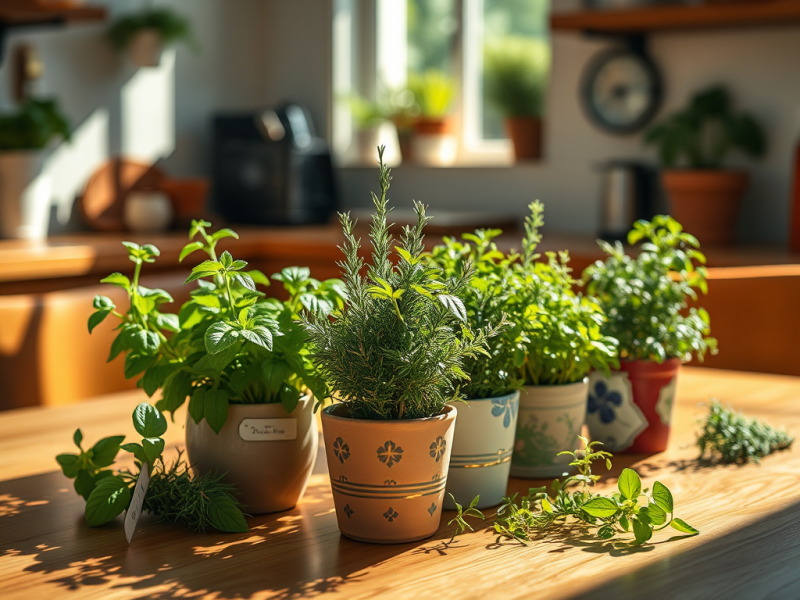
RV Herb Gardening: How to Grow a Mini Herb Garden in Your Kitchen
If you love cooking on the road, having fresh herbs in your RV kitchen can take your meals to the next level. Plus, there’s something magical about snipping fresh basil or rosemary right before tossing it into your dish. The best part? You don’t need a big space or a green thumb to grow a…
Keep reading


Leave a Reply