Exploring the open road in an RV offers freedom and adventure. However, to make the most of your journey, it’s essential to understand how RV power and utilities work. From hookups to generators to solar panels, managing your RV’s resources—like RV solar panels and generator tips—can feel overwhelming at first. Don’t worry, though – this guide will simplify it all so you can focus on enjoying your travels.
Understanding RV Utilities
RVs are like miniature homes on wheels, equipped with essential utilities like electricity, water, and waste management. Here’s a quick breakdown:
- Electricity: Powers lights, appliances, and gadgets. It can come from shore power (hookups at campsites), generators, or solar panels.
- Water: Used for sinks, showers, and toilets. RVs have onboard freshwater tanks and connections for external water sources.
- Waste Management: Involves gray water (from sinks and showers) and black water (from toilets). Waste is stored in holding tanks that need regular emptying.
Now, let’s dive deeper into powering your RV and making the most of your utilities.
RV Shore Power: What You Need to Know
Most RV parks and campgrounds offer shore power hookups, which are the easiest way to power your RV. Here’s what you need to know:
- Amp Ratings: RV hookups typically provide 30-amp or 50-amp connections. Check your RV’s manual to see which one you need.
- Adapters: Carry adapters to connect to different power sources. For example, a 50-amp to 30-amp adapter can be a lifesaver.
- Surge Protectors: Invest in a surge protector to shield your RV’s electrical system from power surges or fluctuations.
- Power Usage Limits: Be mindful of the total wattage your RV can handle when plugged into shore power. Overloading the system can trip breakers or damage your appliances.
- Availability: Not all campsites have consistent power reliability. Some remote locations may have limited hookup options, so having backup power solutions is always a good idea.
When using shore power, your RV’s appliances and outlets will work just like they do at home. It’s a reliable option when staying at campgrounds with amenities.
Generators
Generators are a great backup option when shore power isn’t available. They convert fuel, like gas or propane, into electricity for your RV. Here’s how to make the most of them:
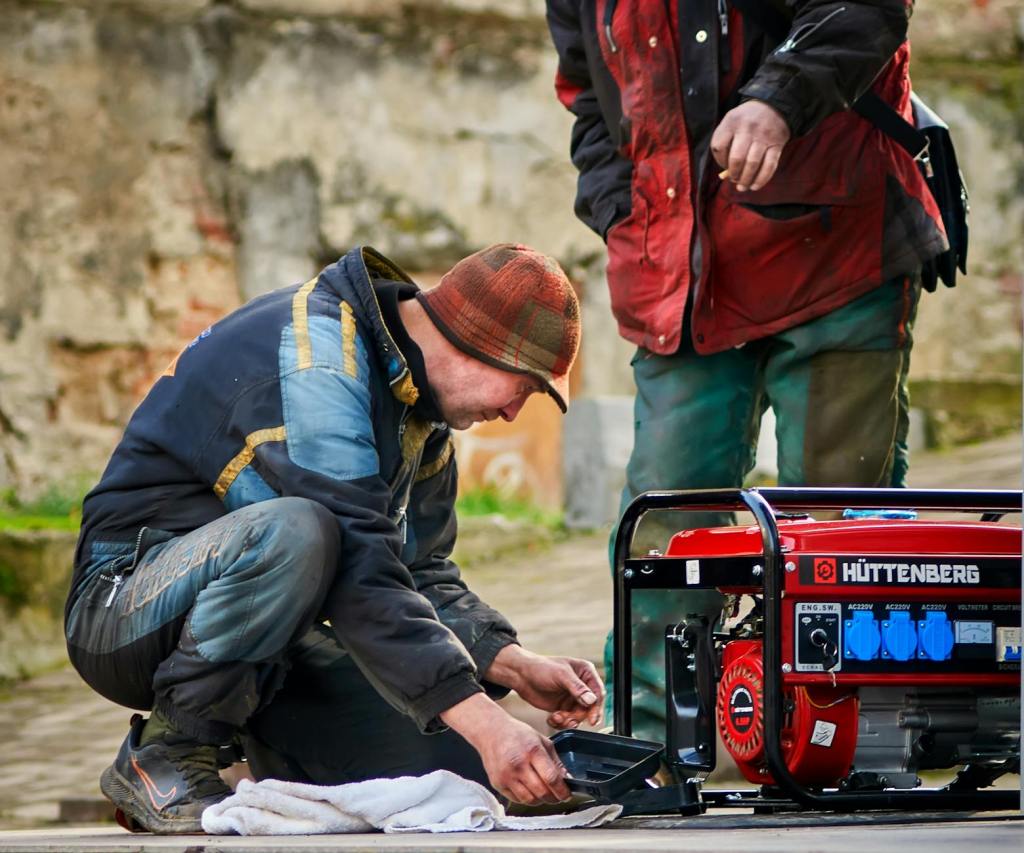
- Portable vs. Built-In: Some RVs come with built-in generators, while others rely on portable units. Built-in generators are convenient and integrated into your RV’s system, while portable ones offer flexibility for use outside the RV.
- Noise Levels: Choose a quiet generator, especially if you’ll be camping near others. Look for models labeled as “inverter generators,” as these are generally quieter and more fuel-efficient. Many campgrounds have noise restrictions, so being mindful of generator noise is important.
- Fuel Types:
- Gasoline: Gasoline generators are widely available and typically more affordable. They provide reliable power but require proper storage to avoid fuel degradation.
- Propane: Propane is cleaner-burning than gasoline and can be easier to store long-term. However, propane generators may have a slightly lower power output compared to gas models.
- Diesel: Diesel generators are highly efficient and ideal for RVs that already run on diesel fuel. They tend to last longer but are more expensive upfront.
- Dual-Fuel Generators: These can run on both gasoline and propane, offering flexibility depending on fuel availability and cost.
- Power Output: Ensure the generator provides enough power to handle your RV’s appliances. Calculate your power needs in watts to select a model with sufficient capacity.
- Safety Tips: Always use your generator in a well-ventilated area to avoid carbon monoxide poisoning. Never run it inside your RV or near open windows.
- Fuel Usage: Generators consume fuel, so plan for extra gas or propane. Be mindful of run times to avoid overusing your supply, and turn off the generator when it’s not needed to conserve fuel.
- Maintenance: Keep your generator in top shape with regular maintenance, like oil changes and air filter cleaning. Follow the manufacturer’s recommendations to ensure reliability.
Generators are perfect for boondocking (camping without hookups) or as a backup when shore power fails. They’re a versatile and essential tool for RVers who love exploring off-the-beaten-path destinations.
Solar Panels
Solar power is a clean and quiet way to keep your RV running, making it an excellent choice for those looking to harness the benefits of RV solar power systems or solar panels for RVs. It’s especially appealing for eco-conscious travelers or those who enjoy off-grid camping. Here’s how it works:
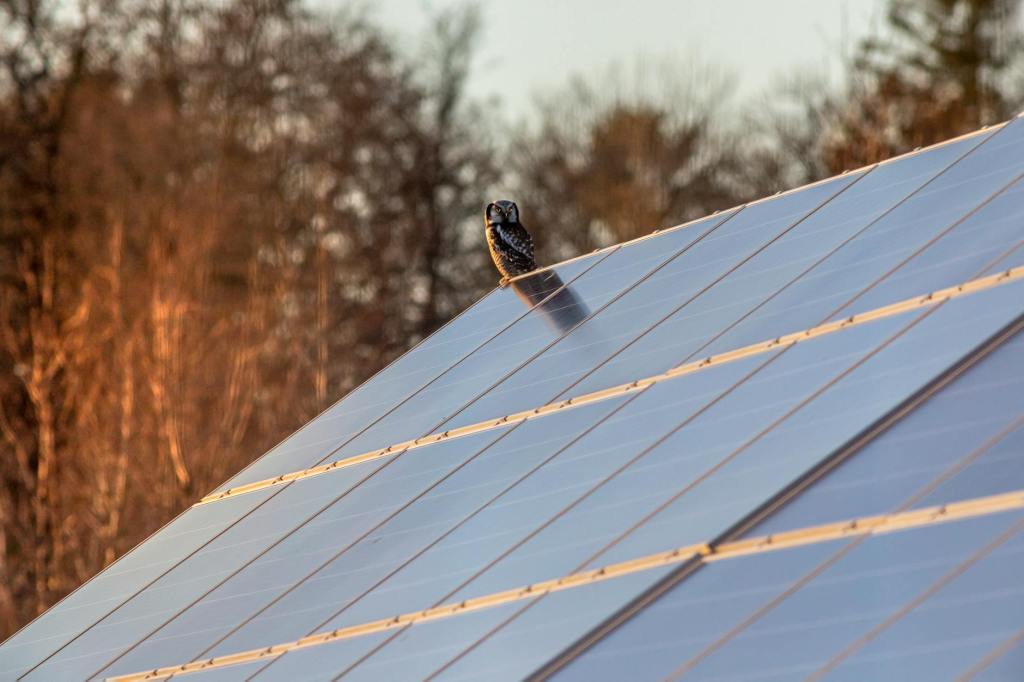
- Solar Panels: These capture sunlight and convert it into electricity. You can mount panels on your RV’s roof or use portable ones. Fixed roof-mounted panels are great for consistent power while driving or parked, whereas portable panels allow for flexibility in positioning.
- Battery Storage: Solar panels charge your RV’s batteries, which store energy for use when the sun isn’t shining. Lithium-ion batteries are particularly effective due to their longer lifespan and higher energy capacity compared to traditional lead-acid batteries.
Where to Get Solar Panels and Installation Options
- Where to Buy: Solar panels are widely available at RV supply stores, online retailers, and specialty solar companies. Some popular sources include Amazon, Renogy, and Goal Zero.
- DIY Installation: Many RV owners opt to install solar panels themselves. Kits often come with detailed instructions, and online tutorials can guide you through the process. If you’re comfortable with basic tools and wiring, this can be a cost-effective option.
- Professional Installation: For those who prefer a hassle-free experience, professional installation is a great choice. RV dealerships, solar energy companies, and specialty RV service centers can install your solar system. Professionals ensure the setup is optimized for maximum efficiency and safety.
Choosing the Right Batteries
- Types of Batteries:
- Lead-Acid Batteries: These are common and affordable but have a shorter lifespan and require regular maintenance.
- Lithium-Ion Batteries: These are more expensive but offer better performance, longer lifespans, and require little maintenance.
- Pre-Installed Batteries: Some RVs come equipped with batteries that are compatible with solar setups. Check your RV’s specifications to see if upgrades are needed.
- Where to Buy: RV supply stores, online retailers, and specialty battery shops often carry suitable options. Brands like Battle Born and Renogy are popular choices.
Benefits of Solar Panels
- Quiet Operation: Unlike generators, solar panels are completely silent.
- Eco-Friendly: They reduce your carbon footprint and reliance on fossil fuels.
- Cost-Effective: After the initial setup, solar power is free and can save you money on fuel or campsite electricity fees.
- Low Maintenance: Solar systems require minimal upkeep, mainly occasional cleaning of the panels to remove dirt and debris.
Choosing the Right Solar Setup
- Assess Your Energy Needs: Calculate your daily energy consumption by adding up the wattage of the devices you use. This helps determine the size of the solar system you need.
- Portable vs. Roof-Mounted: Portable panels can be angled toward the sun for maximum efficiency, while roof-mounted panels are convenient and always ready to use.
- Expansion Options: Opt for a system that allows you to add more panels in the future if your energy needs grow.
While the initial investment in a solar setup can be significant, it offers long-term savings and unmatched convenience for off-grid camping.
Efficient RV Power Management Tips
Managing your RV’s power efficiently ensures you’ll have what you need when you need it. Here are some practical tips:
- Monitor Battery Levels: Regularly check your battery’s charge to avoid unexpected power outages.
- Use Energy-Efficient Devices: Opt for LED lights and energy-saving appliances to stretch your power supply.
- Unplug When Not in Use: Disconnect devices and appliances that aren’t in use to reduce phantom power drain.
- Charge During the Day: If you have solar panels, charge devices during peak sunlight hours.
- Prioritize Power Needs: Focus on running essential appliances and conserve energy where possible.
Managing Water Usage
Water is another critical utility to manage while RVing, especially when boondocking. Here are some expanded tips to make the most of your water supply:

- Freshwater Tank vs. City Water Connection:
- Freshwater Tank: Fill your tank before heading out. This is your main water source when boondocking or traveling between campsites. Keep track of your tank’s capacity and monitor usage.
- City Water Connection: When at a campsite, you can connect directly to the water supply using a clean drinking water hose. This bypasses the need to use your freshwater tank and provides unlimited water.
- Using a Clean Hose: Always use a designated drinking water hose (typically white) for filling your freshwater tank or connecting to city water. Avoid using hoses intended for other purposes, as they may contaminate your water supply.
- Water Filters: Install an inline water filter on your hose when connecting to a water source. This helps remove impurities and ensures clean, safe water for drinking and other uses.
- Water-Saving Tips:
- Take shorter showers or use a navy shower technique (turning off water while soaping up).
- Install low-flow faucets and showerheads to conserve water.
- Wash dishes efficiently by using a basin to collect rinse water.
- Turn off the faucet while brushing your teeth or scrubbing dishes.
- Carry Extra Water: Bring portable water jugs or collapsible containers as a backup for longer trips.
- Refill Options: Many campgrounds, gas stations, and RV-friendly rest stops offer water refill stations. Always use a hose and water filter to ensure the water is clean.
Managing Gray and Black Water Tanks
Understanding and properly managing your RV’s waste tanks is essential for a smooth trip. Effective RV waste tank management, including tips for RV gray and black water handling, ensures a cleaner and more enjoyable journey. Here’s a closer look:
- Gray Water Tank: This tank collects water from sinks and showers. While it’s less dirty than black water, it can still develop odors if not emptied regularly. Use biodegradable soaps to minimize buildup.
- Black Water Tank: This tank holds waste from your toilet. It requires more attention to avoid unpleasant smells and clogs. Always use RV-specific toilet paper that breaks down easily.
- Emptying Tanks:
- Locate designated dump stations to empty your gray and black tanks.
- Start by emptying the black tank, then flush it with water if possible.
- Empty the gray tank afterward to help rinse out your sewer hose.
- Tank Treatments: Use enzyme-based or chemical treatments designed for RV tanks to break down waste and control odors.
- Regular Cleaning: Clean and flush your tanks periodically to prevent buildup and ensure they work efficiently.
Proper management of your gray and black tanks is crucial for hygiene and convenience, especially on extended trips.
Combining Power Sources
Many RVers use a combination of shore power, generators, and solar panels for flexibility. For instance, you might rely on solar panels during sunny days, use a generator at night, and plug into shore power when staying at a campground. Having multiple options ensures you’re prepared for any situation.
Conclusion
Understanding and managing RV power and utilities is a key part of enjoying life on the road. Whether you’re plugging into shore power, running a generator, or harnessing the sun’s energy, knowing your options gives you the freedom to travel wherever you want.
Plan ahead, invest in the right equipment, and practice smart resource management. With these tips, you’ll have a comfortable and worry-free RV adventure, ready to explore the great outdoors and make unforgettable memories.
Looking for more tips and inspiration for RV living? You might be interested in these other posts below.
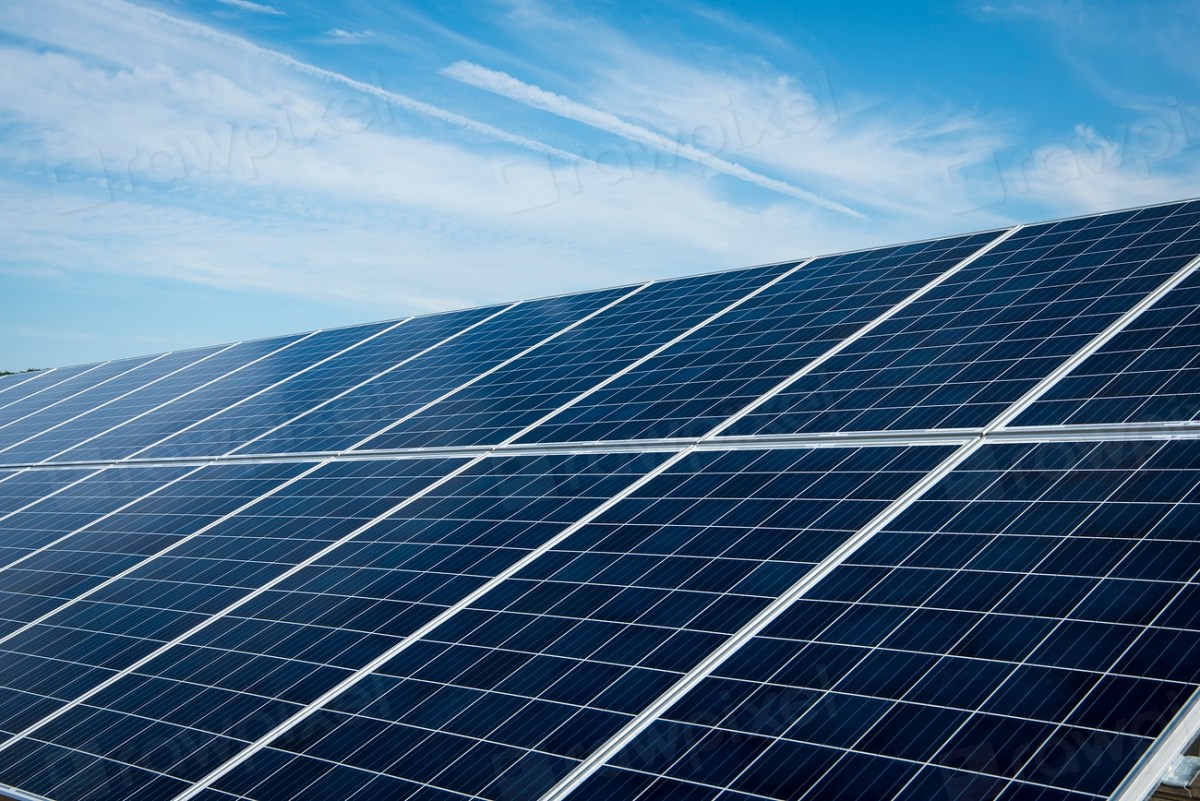
RV Solar Power Guide: 20 Top-Rated Panels, Batteries, and Accessories
Solar power is a game-changer for RVers. It provides a sustainable, cost-effective, and independent way to keep your rig powered up, no matter where the road takes you. Whether you’re new to RV solar setups or looking to upgrade, this guide will walk you through the top 20 solar power products, from panels to essential…
Keep reading

The True Cost of RV Fuel: How to Budget and Save on Gas
Introduction Hitting the open road in an RV is one of the best ways to explore the country. You have the freedom to go wherever you want, sleep in your own space, and enjoy the great outdoors. But as fun and exciting as RV travel is, there’s one thing that can quickly eat into your…
Keep reading
The Ultimate Checklist: 15 Must-Have Accessories for Every New RVer Before Hitting the Road
Introduction Starting your RV adventure is one of the most exciting decisions you can make! Whether you’re a weekend warrior or planning a full-time life on the road, having the right gear can make or break your journey. With so many gadgets, tools, and accessories out there, it can feel overwhelming to decide what you…
Keep reading

RV Maintenance Simplified: Addressing the 10 Most Common Problems
There’s nothing quite like hitting the open road in an RV—freedom, adventure, and the promise of new destinations. But let’s face it, RV life isn’t always smooth sailing. Like any vehicle or home, RVs come with their share of quirks and problems. The good news? Most issues are manageable with a little know-how. To help…
Keep reading

Step-by-Step Guide to Sanitizing Your RV’s Fresh Water Tank
Your RV’s fresh water system is like the heart of your mobile home. From washing dishes to staying hydrated, it keeps everything running smoothly—but only if it’s clean and safe. Sanitizing your fresh water tank isn’t just a chore; it’s a must-do for health and happiness on the road. Whether you’re a full-time RVer or…
Keep reading
How to Solve Black and Gray Tank Problems in Your RV
Introduction Living the RV life is full of adventure, but it comes with responsibilities—and one of the least glamorous is managing your black and gray tanks. These tanks are crucial for handling waste and keeping your RV clean, but they can sometimes cause problems like clogs, sensor malfunctions, and unpleasant odors. Neglecting these issues can…
Keep reading

Top 10 RV Kitchen Gadgets to Make Cooking on the Road Easy
Introduction Cooking in an RV can be a fun adventure, but it also comes with its own set of challenges. Limited space, fewer appliances, and the need to conserve energy and water can make preparing meals a bit tricky. That’s why having the right kitchen gadgets is a total game-changer. With the right tools, you…
Keep reading
20 Must-Have Outdoor Accessories for RV Enthusiasts
Introduction Life on the road is all about adventure, freedom, and making the most of the great outdoors. Whether you’re boondocking in the middle of nowhere or relaxing at a well-equipped RV park, having the right outdoor accessories can turn your experience from good to absolutely amazing. From sizzling up meals on a portable grill…
Keep reading

Bucket List RV Routes: Must-See Destinations for Travelers
Traveling the United States in an RV is the ultimate adventure. It gives you the freedom to explore breathtaking landscapes, discover hidden gems, and experience life on the road. Whether you’re a seasoned traveler or just starting your RV journey, some routes are absolute musts for your bucket list. Let’s dive into some iconic RV…
Keep reading

Explore America: Top Spots for RV Enthusiasts in Every Region
Introduction Traveling the U.S. in an RV offers unmatched opportunities to see incredible sights, meet new people, and embrace the open road. With every region of the country boasting unique attractions, your journey can be as diverse as the landscapes you encounter. Whether you crave the solitude of national parks, the buzz of big cities,…
Keep reading

 RV Ready or Not
Leave a comment