
If you’re planning to hit the open road in a recreational vehicle (RV), you’re in for an adventure. Owning an RV can be a dream come true, offering the freedom to explore while carrying your home with you. But before you pack your bags and start your journey, it’s important to understand the basics of RV insurance, registration, and legal requirements. This guide will simplify these topics and help you stay compliant and protected.
Insurance for Your RV
Just like any other vehicle, your RV needs insurance. The right coverage protects you from financial loss in case of accidents, theft, or damage. Here’s a breakdown of what you need to know:
1. Types of RV Insurance
RV insurance isn’t one-size-fits-all. Policies can be customized based on how you use your RV. Here are some common types of coverage:
- Liability Insurance: This is mandatory in most states and covers damages or injuries you cause to others while driving your RV.
- Collision Coverage: This pays for repairs to your RV if it’s damaged in an accident, regardless of who is at fault.
- Comprehensive Coverage: Protects your RV from non-collision-related incidents, such as theft, vandalism, or natural disasters.
- Personal Belongings Coverage: Since you likely carry valuable items in your RV, this covers damage or theft of your personal belongings.
- Full-Time RV Insurance: If your RV is your primary residence, this provides additional coverage similar to homeowners insurance.
2. How to Choose the Right Coverage
- Assess Your Needs: Think about how often you’ll use your RV. Occasional weekend campers might need less coverage than full-time travelers.
- Shop Around: Compare quotes from different insurance providers to find the best rates and coverage.
- Ask About Discounts: Some insurers offer discounts for bundling policies, safe driving, or having certain safety features in your RV.

3. Legal Requirements
Most states require a minimum level of liability insurance for your RV. Check your state’s laws to ensure you meet the requirements. Driving without insurance can lead to hefty fines or even license suspension.
Registering Your RV
Registering your RV is another important step in legal ownership. Here’s a simple guide to navigating this process:
1. Why Registration is Important
Registration serves as proof that your RV is legally recognized for use on public roads. Without it, you could face fines or legal trouble.
2. The Registration Process
- Title Your RV: Before registering, you need to have the title in your name. This proves ownership.
- Visit the DMV: Registration is typically done through your state’s Department of Motor Vehicles (DMV). Bring your title, proof of insurance, and a valid ID.
- Pay Fees: Registration fees vary by state and are often based on the RV’s weight, value, or class.
3. Renewal Requirements
Most states require annual or biennial renewal of your RV registration. Mark your calendar to avoid missing the deadline.
4. State-Specific Rules
Each state has its own rules regarding RV registration. For example, some states require safety inspections or emissions testing. Check with your local DMV for specific details.
Legal Requirements for RVs
Beyond insurance and registration, there are other legal requirements to keep in mind when owning and operating an RV.
1. Driver’s License Requirements
- In most states, a standard driver’s license is sufficient for RVs under 26,000 pounds. Examples of these include smaller Class C motorhomes or travel trailers towed by a truck.
- For larger RVs over 26,000 pounds, such as Class A motorhomes or large fifth-wheel trailers, you may need a commercial driver’s license (CDL) or a special endorsement. Check your state’s regulations.
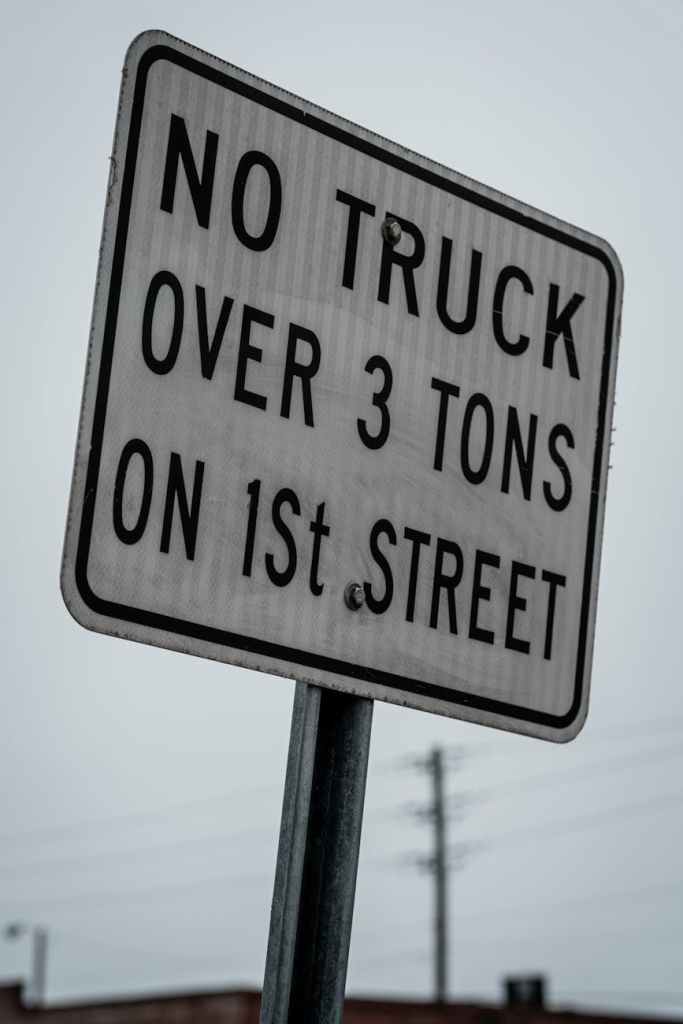
2. Weight and Size Limits
Each state sets limits on the size and weight of vehicles allowed on public roads. Be aware of:
- Maximum Height and Width: Some states have strict limits to ensure your RV fits under bridges and through tunnels.
- Weight Restrictions: Exceeding weight limits can damage roads and result in fines.
3. Parking and Overnight Stays
- Zoning Laws: Some areas prohibit overnight parking in certain locations, like residential streets or public parks. Violating these rules can result in tickets, fines, or even towing.
- Campground Rules: Always follow the rules of campgrounds or RV parks regarding hookups, noise levels, and stay durations. Breaking these rules could lead to eviction from the site or penalties.
4. Safety Equipment
- Most states require certain safety features, such as working lights, mirrors, and brakes.
- Carry essential items like a fire extinguisher, first-aid kit, and roadside emergency supplies.
Tips for Navigating State-Specific Laws
1. Research Your State’s Laws
Each state has unique rules for RV ownership and operation. The easiest way to stay compliant is to visit your state’s DMV website or contact them directly.
2. Plan Ahead for Travel
If you’re crossing state lines, familiarize yourself with the laws of each state you’ll visit. For example:
- Towing Laws: Some states require additional brake systems for towed vehicles.
- Speed Limits: RVs often have lower speed limits than cars in certain states.
3. Join an RV Community
Online forums and local RV groups are great resources for sharing tips and learning about state-specific requirements. Experienced RVers can provide valuable advice on navigating the legal landscape.
Conclusion
Owning an RV is about more than just enjoying the open road—it comes with responsibilities. By understanding RV insurance, registration, and legal requirements, you can avoid potential headaches and focus on creating unforgettable memories. Remember to:
- Choose the right insurance coverage for your needs.
- Stay on top of registration requirements.
- Familiarize yourself with state-specific laws.
With a little preparation, you’ll be well-equipped to enjoy the freedom and adventure that come with RV ownership. Safe travels!
Got any tips? We’d love to hear from you in the comments below! And while you’re here, don’t forget to explore more of our articles for tips, tricks, and inspiration for your next RV adventure.

Seasonal RV Road Trip Guide: Top Routes for Winter, Spring, and Summer Adventures
Are you ready to hit the road and chase the seasons in your RV? Whether you’re escaping the cold or chasing wildflower blooms, planning your route with the seasons in mind can turn a good trip into an unforgettable adventure. Let’s dive into the best roads to take during winter, spring, and summer, along with…
Keep reading

Top 10 RV Kitchen Gadgets to Make Cooking on the Road Easy
Introduction Cooking in an RV can be a fun adventure, but it also comes with its own set of challenges. Limited space, fewer appliances, and the need to conserve energy and water can make preparing meals a bit tricky. That’s why having the right kitchen gadgets is a total game-changer. With the right tools, you…
Keep reading

The Ultimate Checklist: 15 Must-Have Accessories for Every New RVer Before Hitting the Road
Introduction Starting your RV adventure is one of the most exciting decisions you can make! Whether you’re a weekend warrior or planning a full-time life on the road, having the right gear can make or break your journey. With so many gadgets, tools, and accessories out there, it can feel overwhelming to decide what you…
Keep reading

How to Stay Connected on the Road: Internet and Cell Service for RVers
Traveling in an RV is a wonderful way to explore the country, enjoy nature, and live a more flexible lifestyle. But whether you’re a full-time RVer or just taking an extended trip, staying connected to the internet and having reliable cell service is important. Whether it’s for work, keeping in touch with family and friends,…
Keep reading

Seasonal Work for RV Travelers: Your Guide to Earning on the Road
Traveling in an RV is a dream come true for many—the open road, scenic views, and freedom to go wherever the wind takes you. But let’s be honest: living the RV lifestyle doesn’t mean bills magically disappear. Finding ways to earn an income on the road is key to sustaining this adventurous way of life.…
Keep reading

How to Manage Mail, Bills, and Legal Essentials While Living on the Road
Living on the road full-time is an adventure many of us dream of—waking up to new landscapes, chasing sunsets, and embracing the freedom of RV life. But with that freedom comes the challenge of staying on top of your mail, bills, and legal requirements. If you’re wondering how to juggle these necessities while constantly on…
Keep reading

20 Must-Have Outdoor Accessories for RV Enthusiasts
Introduction Life on the road is all about adventure, freedom, and making the most of the great outdoors. Whether you’re boondocking in the middle of nowhere or relaxing at a well-equipped RV park, having the right outdoor accessories can turn your experience from good to absolutely amazing. From sizzling up meals on a portable grill…
Keep reading

 RV Ready or Not
Leave a comment