
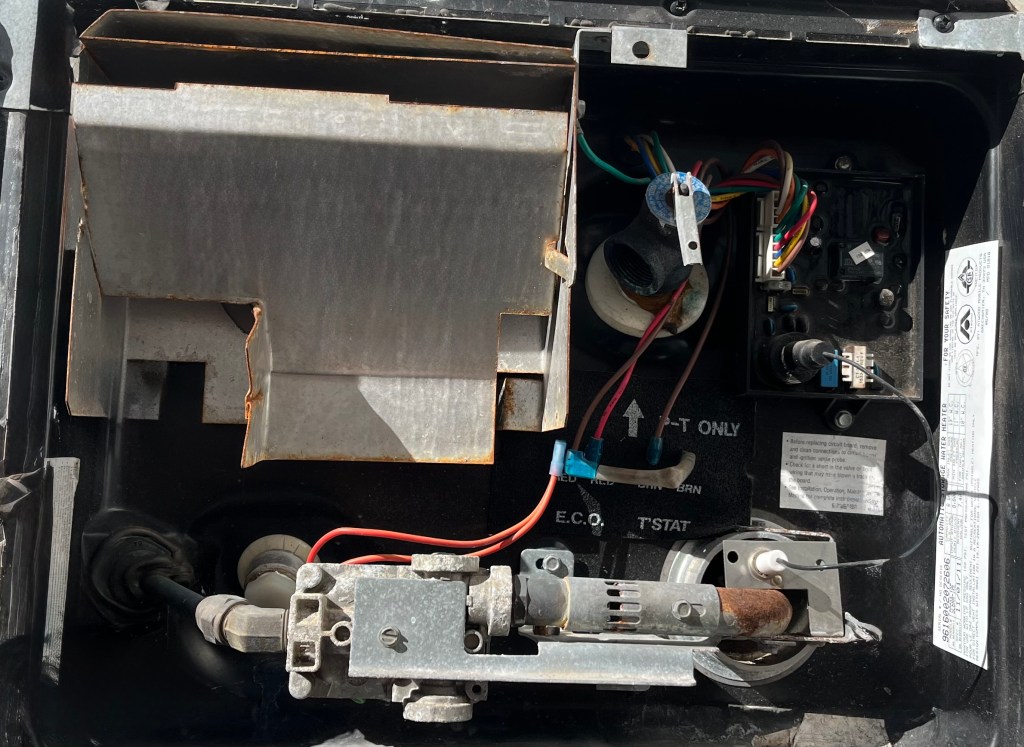
Your water heater is one of the unsung heroes of your home. From warm showers to clean dishes, it plays a vital role in your daily routine. But like any appliance, it needs regular care to perform its best. Without proper maintenance, you might face problems like inconsistent heating or leaks. In this blog, we’ll explore common water heater issues, their solutions, and tips for keeping your water heater in tip-top shape. Plus, we’ll recommend some handy products to make maintenance easier.
Why Water Heater Maintenance Matters
A well-maintained water heater ensures:
- Efficient Performance: It heats water quickly and evenly.
- Cost Savings: Regular care reduces energy usage and prevents expensive repairs.
- Extended Lifespan: With proper upkeep, your water heater can serve you for years without major issues.
Common Water Heater Problems and Solutions
1. Inconsistent Heating
The Problem: Mineral buildup inside the tank can disrupt heat transfer, leading to water that is lukewarm or takes longer to heat.
The Solution:
- Flush Your Water Heater:
Over time, sediment accumulates at the bottom of your tank. Flushing it out once or twice a year can improve heating efficiency. Here’s how:- Turn off the water heater and let it cool.
- Attach a garden hose to the drain valve at the bottom of the tank.
- Let the water flow out until the tank is empty.
- Refill the tank and resume use.
- Use a Water Softener: If you live in an area with hard water, installing a water softener can minimize mineral buildup.
2. Leaks
The Problem: Water pooling around the heater is often caused by faulty valves, loose connections, or corrosion.
The Solution:
- Inspect Valves and Connections: Regularly check all valves and pipes for signs of wear or looseness. Tighten connections and replace worn-out components as needed.
- Replace the Pressure Relief Valve: A malfunctioning pressure relief valve can cause leaks. This part is inexpensive and easy to replace.
3. Noisy Operation
The Problem: Sediment can harden over time, causing popping or rumbling noises as the water heats.
The Solution:
- Perform a thorough flush as described above to remove hardened sediment.
- Consider investing in a descaling solution to break down stubborn deposits.
4. High Energy Bills
The Problem: A water heater that’s working inefficiently may use more energy to heat water.
The Solution:
- Insulate Your Tank: Wrap your water heater in a specialized insulation blanket to retain heat.
- Upgrade to Energy-Efficient Models: If your current unit is over 10 years old, it might be time to invest in an energy-efficient model like a tankless water heater.
Recommended Maintenance Products
To make water heater maintenance easier, here are some great tools and products:
- Water Heater Flush Kits:
- Product Example: Camco Water Heater Tank Rinser
- Where to Buy: Amazon, Home Depot, or Walmart.
- Price Range: $10–$20
- Water Softener Systems:
- Product Example: Fleck 5600SXT Water Softener
- Where to Buy: Online retailers like Lowe’s, Home Depot, or Water Softeners Direct.
- Price Range: $500–$800
- Pressure Relief Valve Replacement Kit:
- Product Example: Watts Pressure Relief Valve 3/4 inch
- Where to Buy: Amazon or local hardware stores.
- Price Range: $15–$25
- Insulation Blanket:
- Product Example: Frost King Water Heater Blanket
- Where to Buy: Amazon, Home Depot, or Lowe’s.
- Price Range: $20–$50
- Descaling Solutions:
- Product Example: Rheem Tankless Water Heater Cleaning Kit
- Where to Buy: Amazon or Rheem’s website.
- Price Range: $30–$60
Pro Tips for Long-Term Care
- Schedule Professional Inspections: Have a plumber inspect your water heater annually to catch issues early.
- Monitor Water Quality: If you notice frequent sediment buildup, test your water hardness and consider treatment options.
- Set the Right Temperature: Keeping the thermostat set to 120°F (49°C) prevents overheating and saves energy.
- Check Anode Rods: This component prevents tank corrosion. Replace it every 3–5 years or as needed.
When to Replace Your Water Heater
Even with regular maintenance, water heaters don’t last forever. If your unit is over 10–15 years old, frequently breaks down, or shows signs of corrosion, it might be time to invest in a new one. Consider energy-efficient models like tankless water heaters for long-term savings and reliability.
Conclusion
Maintaining your water heater is simple yet essential for its efficiency and longevity. Regular flushing, inspecting components, and investing in helpful tools can save you from costly repairs and high energy bills. Plus, by addressing problems like inconsistent heating or leaks promptly, you can ensure your home always has hot water when you need it.
Take the time to care for your water heater today—your future self will thank you!
Looking for more tips on RV maintenance? Bookmark this blog for updates or share it with friends and family who might find it helpful.

 RV Ready or Not
Leave a comment