
Solar power is a game-changer for RVers. It provides a sustainable, cost-effective, and independent way to keep your rig powered up, no matter where the road takes you. Whether you’re new to RV solar setups or looking to upgrade, this guide will walk you through the top 20 solar power products, from panels to essential accessories. Plus, all recommendations include links to highly-rated products on Amazon—perfect for a one-stop shopping spree!
Why Go Solar for RV Living?
Going solar offers three significant benefits for RVers:
- Sustainability: Harness the sun’s power, reducing your reliance on fossil fuels and your carbon footprint.
- Independence: Enjoy off-grid camping with a reliable power source for your appliances, lights, and gadgets.
- Cost Savings: While the initial investment may seem high, solar systems pay for themselves over time with free energy.
This guide covers portable and roof-mounted panels, batteries, chargers, and other must-have accessories. If you’re feeling overwhelmed, don’t worry—step-by-step advice will help you make informed decisions.
Step 1: Understanding Solar Power Basics for RVs
Before diving into product recommendations, it’s essential to understand how solar power works for an RV.
- Solar Panels: Capture sunlight and convert it into electricity.
- Charge Controllers: Manage the flow of electricity to prevent overcharging your batteries.
- Solar Batteries: Store the energy generated by your panels for use when the sun isn’t shining.
- Inverters: Convert DC power from batteries into AC power for running standard household appliances.
🔧 Tip for Beginners: Start by listing the appliances you plan to use in your RV (like a fridge, lights, or phone chargers). Add up their power requirements to estimate the size of the solar system you’ll need.
Step 2: Solar System Sizing Guide
Calculate Your Energy Needs
- List all appliances and devices you’ll power with solar.
- Check their power ratings (in watts) and how many hours you’ll use them daily.
- Use this formula to estimate your daily energy consumption:
Watts x Hours = Watt-hours/day
Example: A 40W fridge running 8 hours a day consumes 320Wh/day.
🔧 Pro Tip: Add 20-30% to your total energy needs to account for inefficiencies and cloudy days.
Step 3: Plan for Future Growth
Even if you’re starting with a small system, choose components that allow for upgrades:
- Expandable Batteries: Lithium options like Battle Born 100Ah batteries are ideal for future growth.
- MPPT Controllers: These are more efficient and handle additional panels better than PWM controllers.
- Modular Panels: Consider panels with easy interconnection options, like Renogy’s series.
Step 4: DIY or Hire a Pro?
Installing an RV solar system can be a fun DIY project if you’re handy with tools and wiring. However, if you’re unsure, hiring a professional ensures safety and optimal performance.
Now that you have a clearer idea of how solar power works and how to plan your system, it’s time to explore some of the best products available. Whether you’re looking for portable panels for flexibility, roof-mounted systems for long-term use, or accessories to maximize efficiency, these top-rated options will help you build or upgrade your RV solar setup with confidence. While we’ve selected these products based on quality and reviews, be sure to research thoroughly to ensure they meet your specific needs and setup requirements.
Best Portable Solar Panels
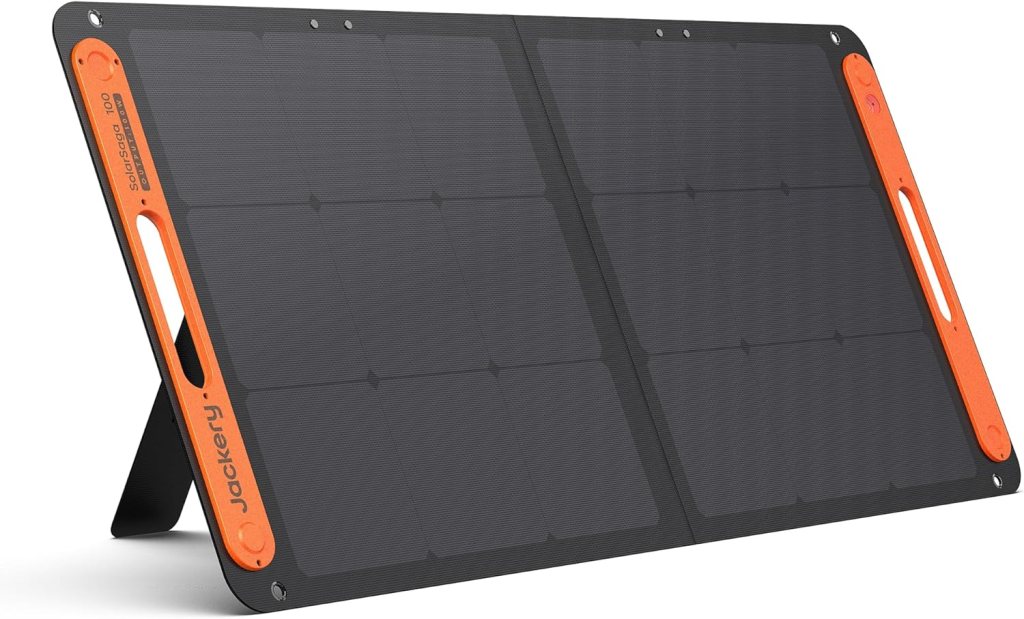
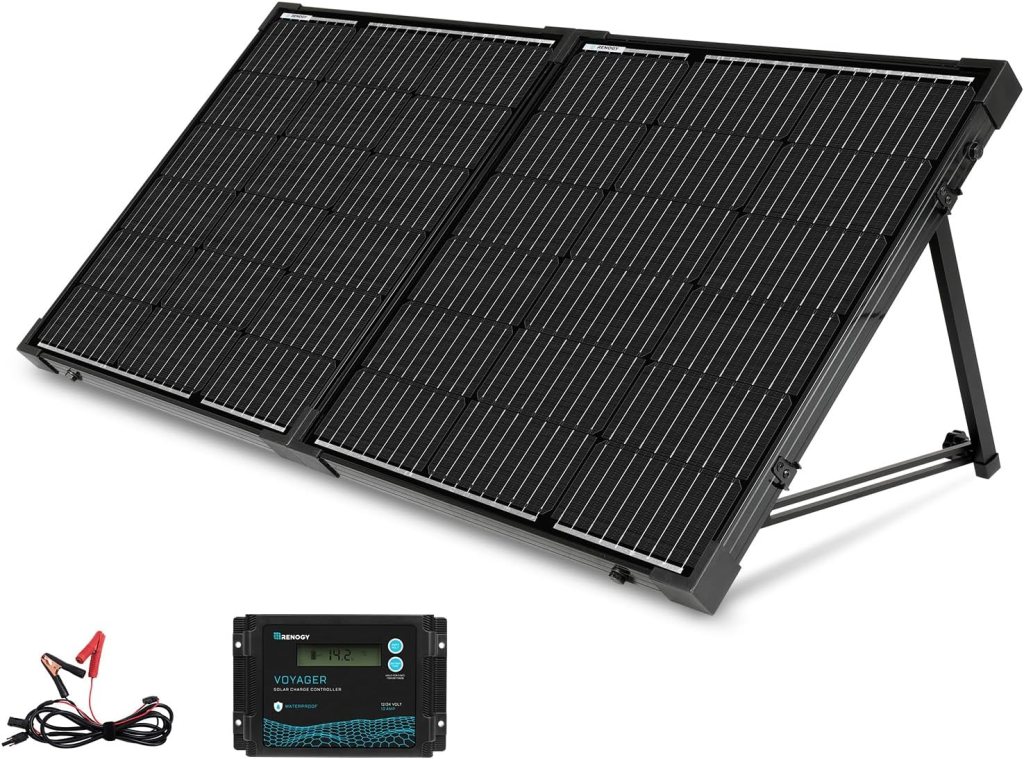
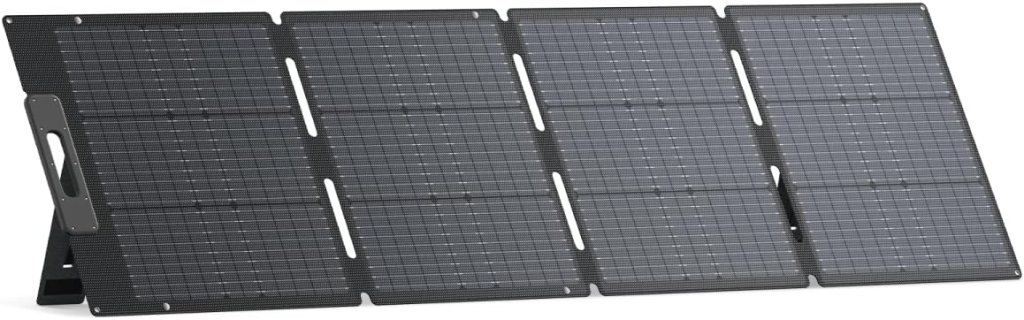
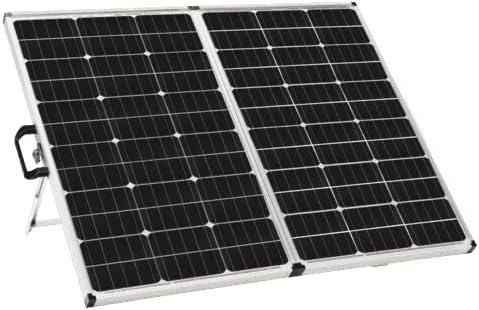
Portable panels are a convenient option for RVers who need flexibility. They’re great for beginners who want a simple setup or occasional campers.
Why Choose Portable Panels?
- Flexibility: Set them up only when needed.
- Ease of Use: Most come pre-wired and ready to use.
- Expandability: Can supplement roof-mounted systems during high energy demand.
What to Look For:
- Compatibility with your solar generator or battery system.
- Lightweight, foldable designs for easy storage.
- Built-in stands for optimal sun positioning.
Here are our top picks:
Top Roof-Mounted Solar Panels
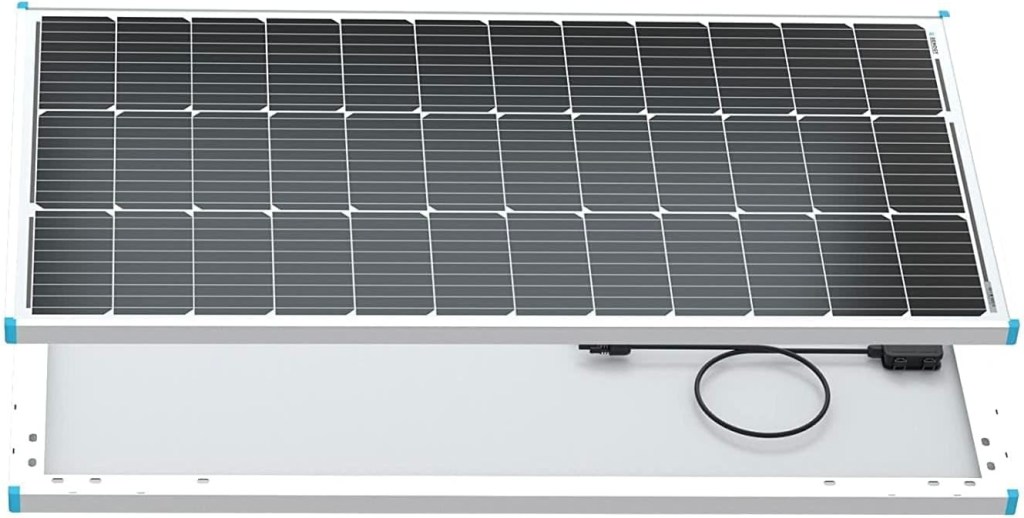
Roof-mounted panels are a more permanent solution. They’re perfect for RVers planning to live full-time on the road or those seeking a low-maintenance system.
Why Choose Roof-Mounted Panels?
- Always working when the sun is out.
- Cleaner, more streamlined look.
- No setup or takedown required.
Considerations:
- Panels must be kept clean and angled correctly for maximum efficiency.
- Permanent installation requires drilling.
Consider these options:

Solar Generators: All-in-One Simplicity
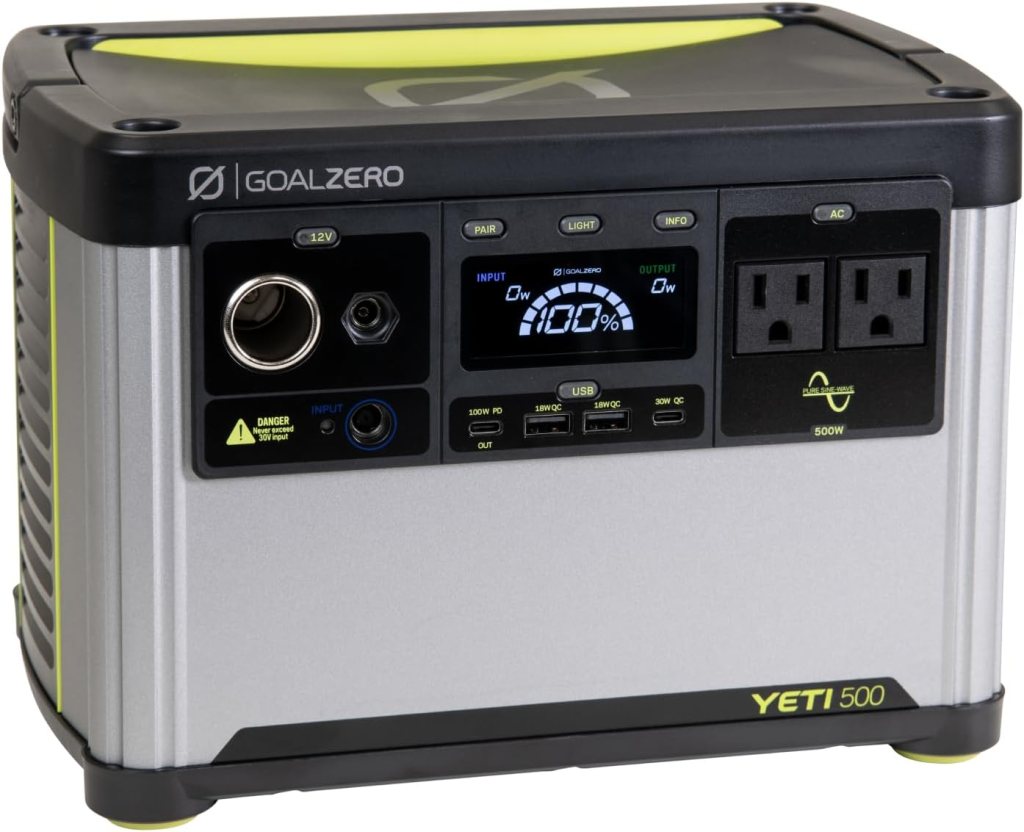
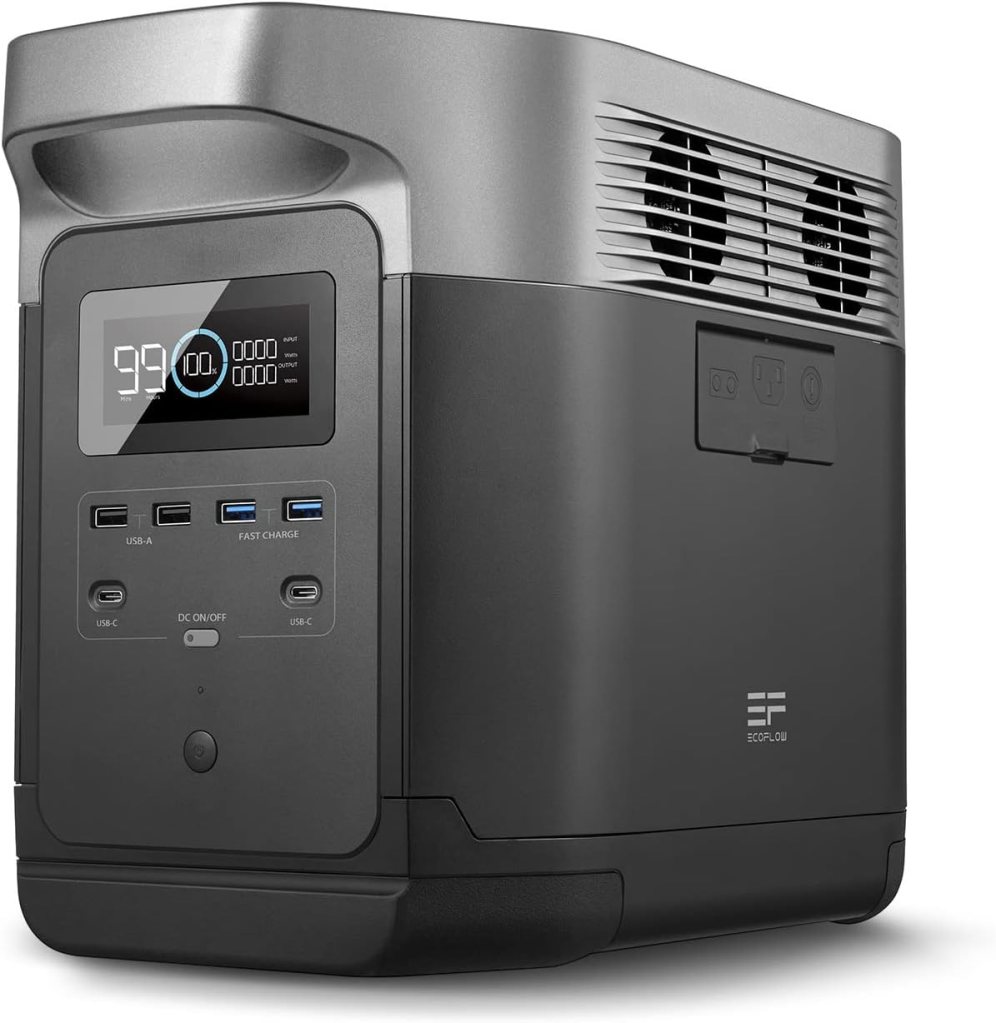
Solar generators are perfect for those who want a plug-and-play system. They combine a battery, inverter, and charge controller into one unit.
How to Choose the Right Solar Generator
- Opt for lightweight designs if you need portability.
- Check the capacity (measured in watt-hours) to ensure it can handle your daily energy needs.
- Look for multiple charging options like AC outlets, USB ports, and DC outputs.
Check out these recommendations:
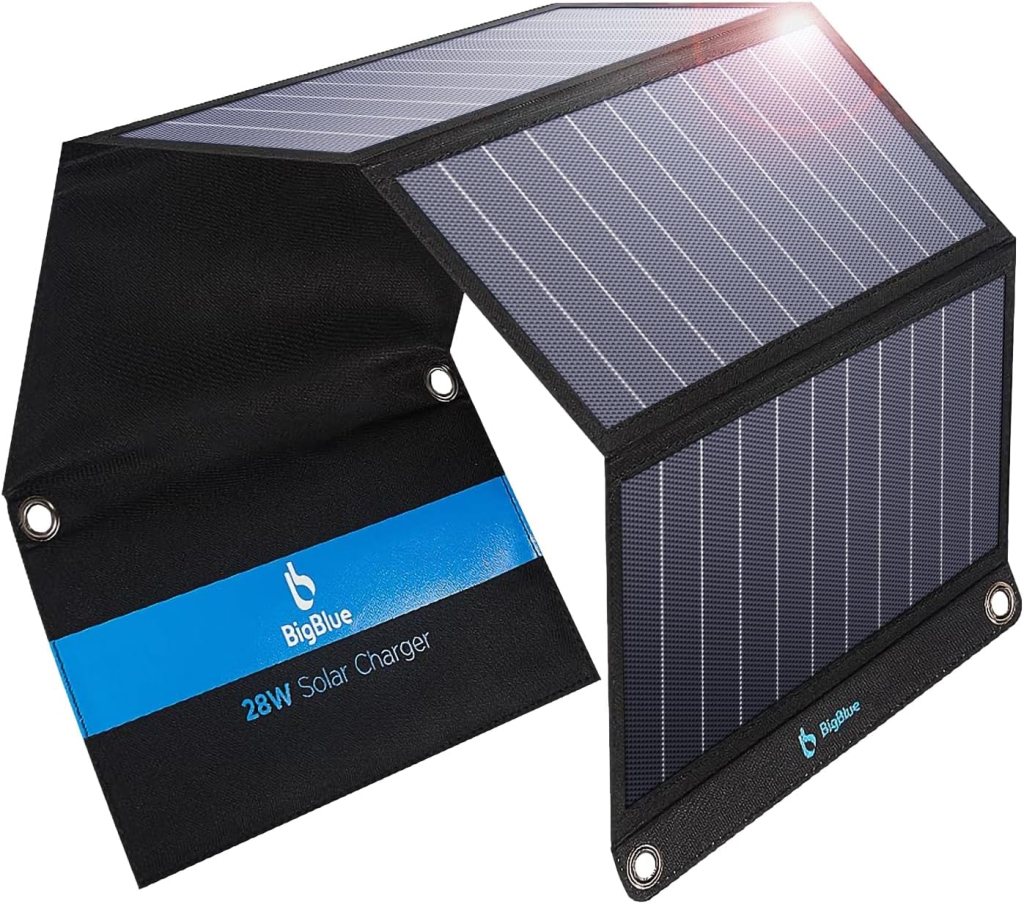
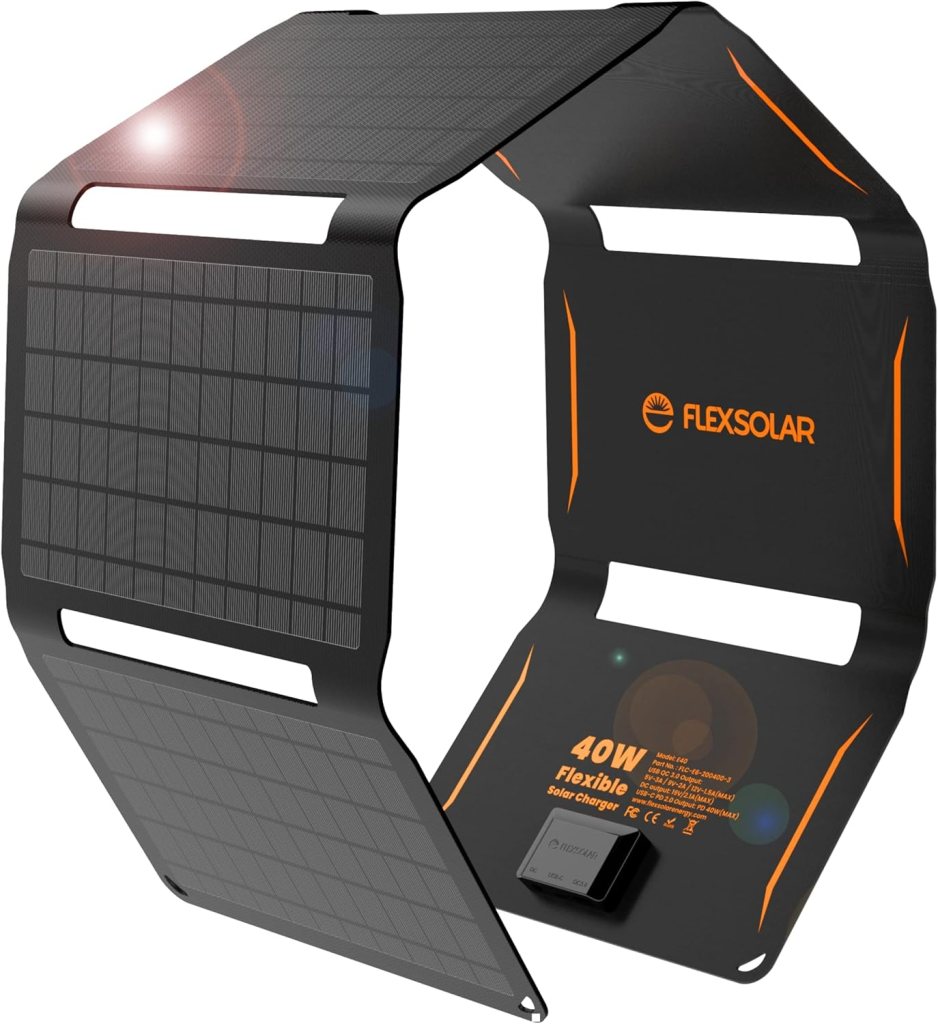
Best Solar Chargers
Solar chargers are compact and portable devices designed to keep your small electronics powered up. They’re perfect for charging phones, tablets, and other gadgets while you’re out exploring. These are lightweight and easy to carry, making them a must-have for day trips and emergencies.
Features to Look For: High conversion efficiency, USB compatibility, and a foldable design for easy transport.
Here are some great options:
Solar Batteries
Solar batteries store the energy collected by your panels, making it available for use at night or during cloudy weather. A good battery ensures that your solar setup works reliably 24/7.
Lithium vs. AGM Batteries: Lithium batteries are lighter, last longer, and have a higher depth of discharge, but they’re more expensive. AGM batteries are more budget-friendly and maintenance-free but have a shorter lifespan.
Here are two popular options:


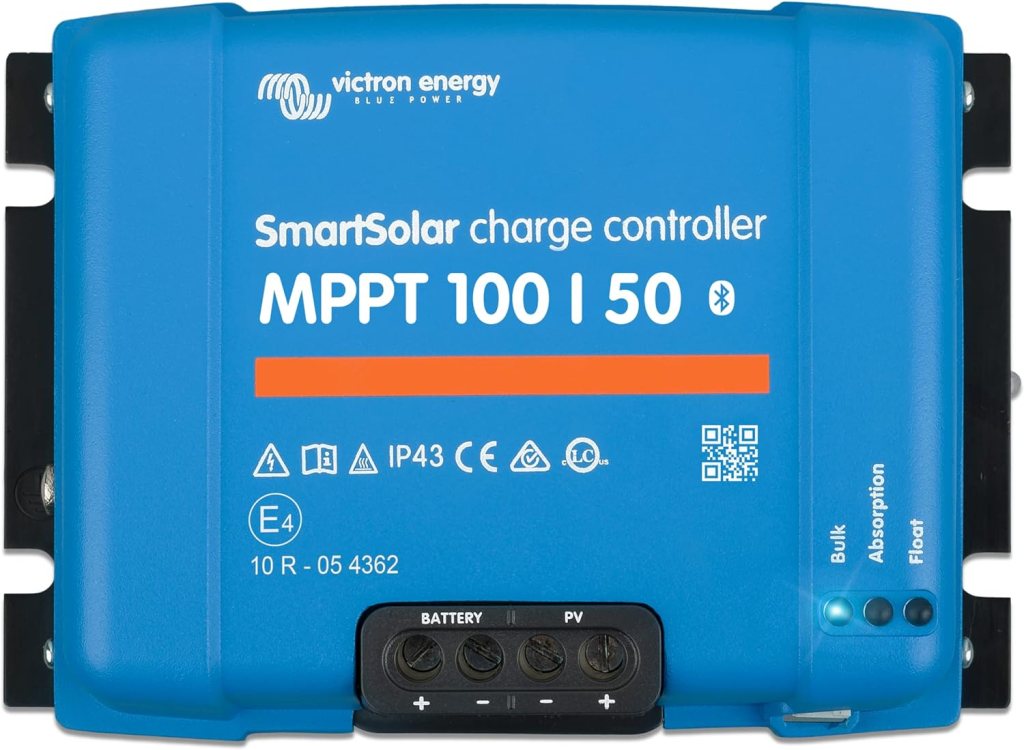
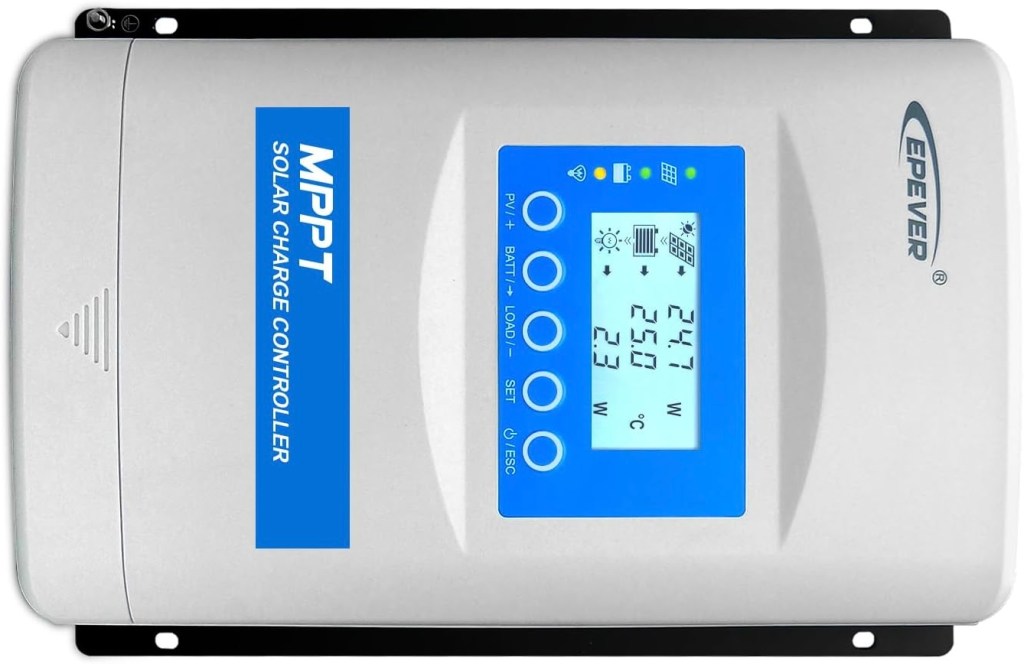
Charge Controllers
A charge controller regulates the voltage and current coming from your solar panels to your batteries. It ensures that your batteries are charged efficiently and prevents overcharging, which can damage them.
Key Types: MPPT controllers are more efficient and ideal for larger systems, while PWM controllers are suitable for smaller setups and cost less.
Here are two top choices:
Inverters
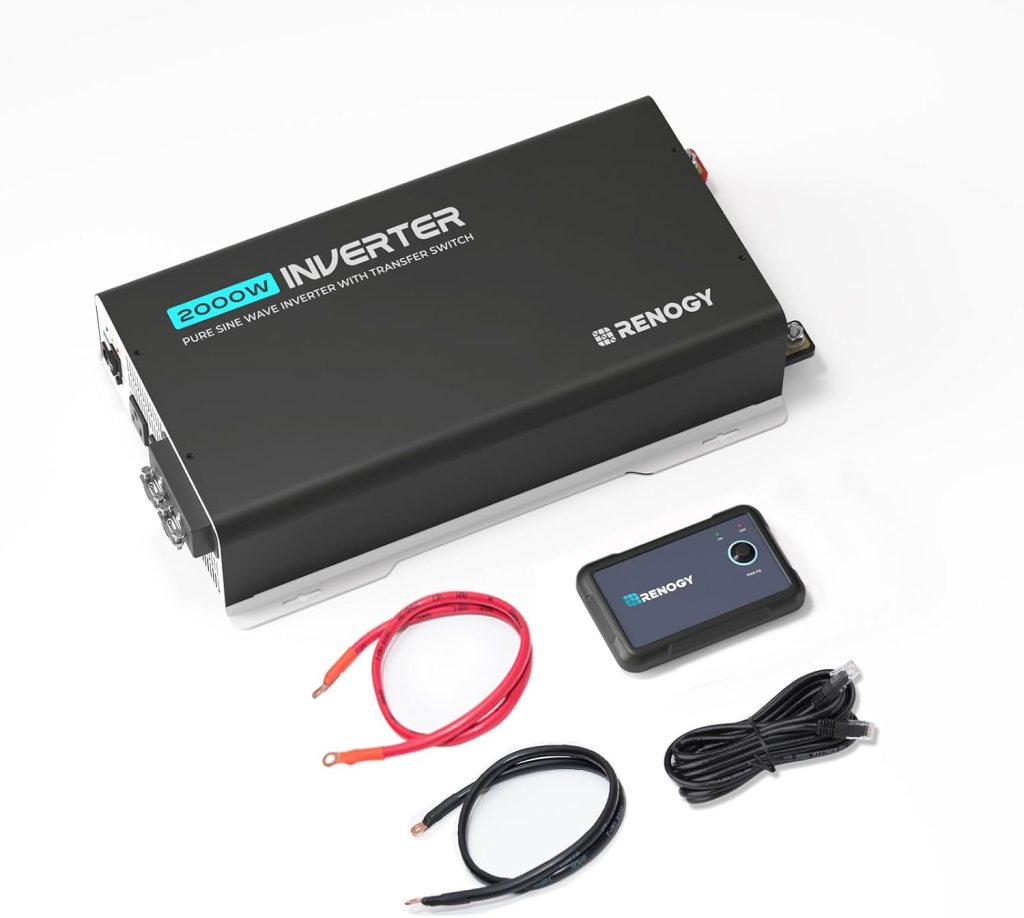
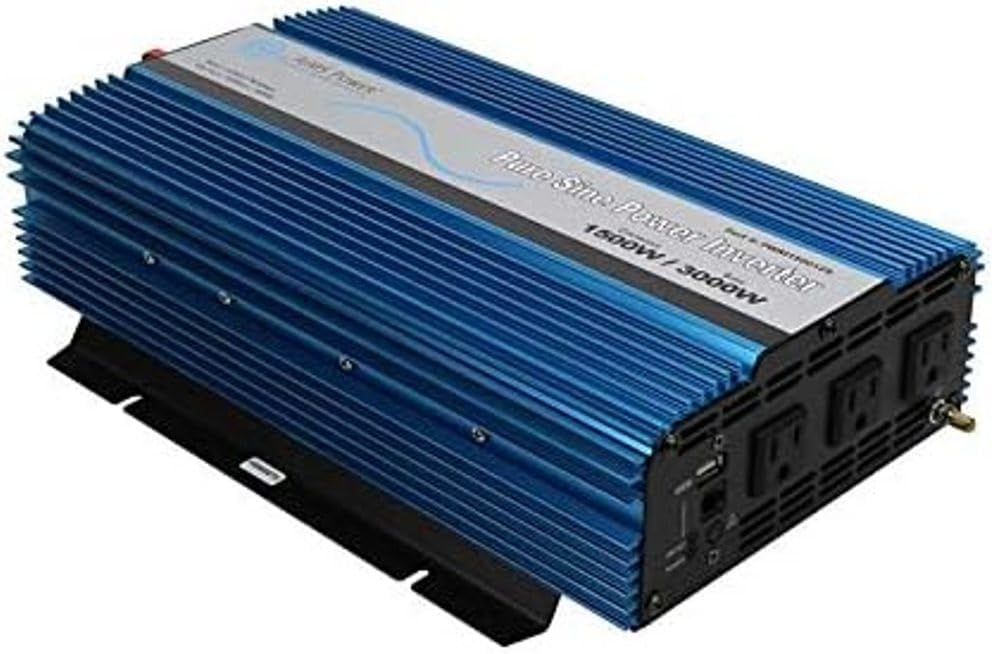
An inverter converts the DC electricity stored in your solar batteries into AC power, which is what most household appliances and devices use. Without an inverter, you’d be limited to running only DC-powered equipment.
Choosing an Inverter: Consider the wattage requirements of your appliances and ensure the inverter has enough capacity. Pure sine wave inverters are recommended for sensitive electronics.
Here are two reliable inverters:
Solar Mounting Kits and Accessories
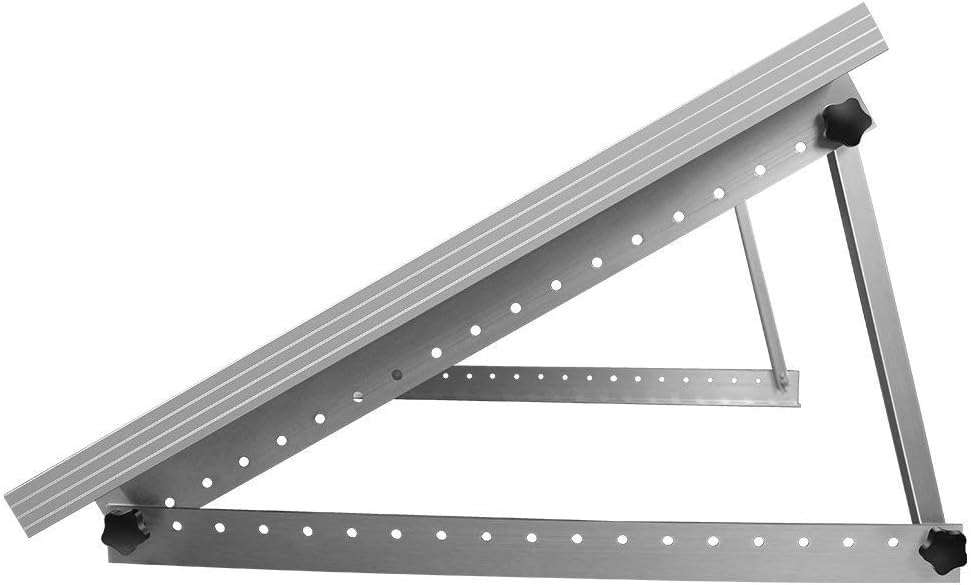
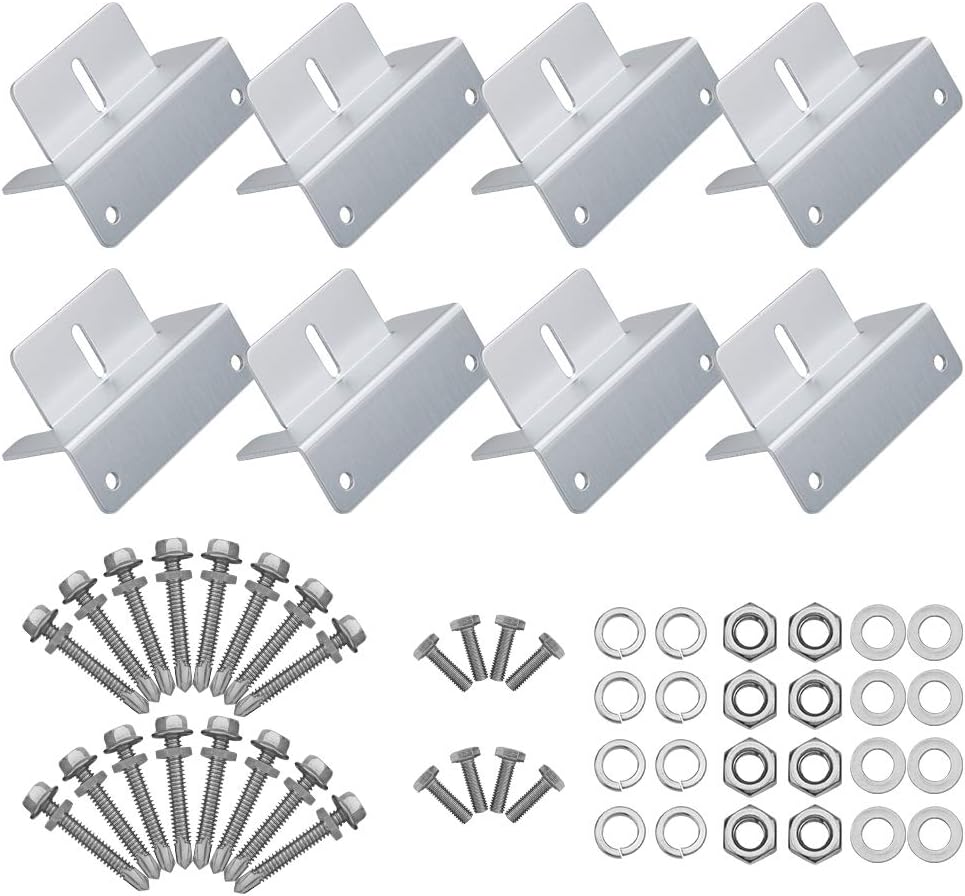
Solar mounting kits and accessories are essential for securely installing panels on your RV. They include brackets, mounts, and other hardware that ensure your panels stay in place and operate at optimal angles.
Tips for Installation: Choose mounting brackets made from durable materials like aluminum or stainless steel. Adjustable tilt brackets can help maximize sunlight exposure.
Consider these products:
Solar Lights and Fans
Solar-powered lights and fans are fantastic for improving comfort and convenience while off-grid. They run directly on solar energy and are perfect for reducing strain on your main power system.
Why Choose Solar Lights and Fans: These gadgets are lightweight, easy to set up, and enhance your RV living experience with minimal energy consumption.
Here are our top picks:


Tips for Choosing the Right Solar Setup
Building the perfect solar system for your RV doesn’t have to be overwhelming. Here are some tips to guide you:
- Portable vs. Roof-Mounted Systems: Portable panels are great if you’re always on the move, offering flexibility to set them up as needed. Roof-mounted systems, on the other hand, are ideal for full-time RVers or those who want a more permanent, hands-off solution.
- Understand Your Energy Needs: Start by making a list of all the appliances and devices you’ll need to power. Calculate their combined energy consumption to determine how much power you’ll need. This helps you choose the right size panels, batteries, and inverters.
- Invest in Quality Components: While it might be tempting to cut costs, investing in high-quality products ensures reliability, durability, and better performance. High-efficiency panels, lithium batteries, and MPPT charge controllers are worth the investment.
- Start Small and Expand: If you’re new to solar, consider starting with a smaller setup that covers your basic needs, such as charging devices or powering lights. You can always expand your system as your confidence grows.
- Plan for Future Upgrades: Even if you’re starting small, think about how your needs might change over time. Choose components that allow for easy upgrades, like expandable battery systems or charge controllers that can handle additional panels. Future-proofing your system saves time and money in the long run.
- Seek Expert Advice: Don’t hesitate to consult RV solar experts or forums for recommendations tailored to your specific needs. There’s a wealth of knowledge in the RV community that can save you from common pitfalls.
Conclusion
Switching to solar power transforms your RV lifestyle, providing freedom, sustainability, and reliable energy wherever your adventures take you. Whether you’re starting small or going all-in, the products in this guide will set you up for success. Each item has been carefully selected to meet the unique needs of RVers and is available on Amazon for your convenience.
Do you have a favorite product you’d recommend? Drop a comment below—we’d love to hear from you! And don’t forget to explore more of our articles for tips, guides, and inspiration for your RV journey. Happy travels! 🚐☀️
Disclosure: This post contains affiliate links. If you purchase through these links, we may earn a commission at no extra cost to you. The products mentioned here are recommended based on reviews, user feedback, and relevance to RVers’ needs. Thank you for supporting our content!

 RV Ready or Not
Leave a reply to Essential Safety Accessories for Boondocking and Off-Grid RV Travel – RV Ready or Not Cancel reply