
Are you curious about what it takes to live in an RV full-time? Whether you’re just dreaming of a life on the road or actively planning your escape from a traditional lifestyle, you probably have a lot of questions. Can you actually live in an RV full-time? What does it feel like? How do you even start? These are some of the most common questions people ask when they think about embracing this unique lifestyle—and we’re here to answer them all!
Can You Live in an RV Full-Time?
The short answer is: absolutely! Many people, from retirees to young families to solo adventurers, have made the shift to full-time RV living. It’s legal in most places, though you’ll need to check state-specific residency laws. Establishing a “domicile state” for things like taxes, vehicle registration, and voting is an important step to take.
The real question is, does it suit your lifestyle? If you crave adventure, love the idea of downsizing, and are okay with trading some comforts for mobility, this lifestyle could be perfect for you. Full-time RV living means being adaptable and willing to embrace a life of constant change. It’s about prioritizing experiences over possessions. However, challenges like finding reliable internet, dealing with repairs on the road, and learning to navigate weather changes can arise. With a little preparation and the right mindset, these challenges are completely manageable.
How Do You Live in an RV Full-Time?
Living in an RV full-time requires planning, flexibility, and a bit of creativity. Here’s what’s involved:
- Finding the Right RV: Picking the perfect RV is crucial. Start by researching different types, such as Class A motorhomes, fifth wheels, travel trailers, or camper vans. Each has pros and cons depending on your budget, travel style, and needs. Consider factors like sleeping arrangements, kitchen size, and storage space.
- Choosing Where to Stay: Options range from luxury RV parks with amenities like pools and Wi-Fi to remote boondocking sites with no hookups. Memberships like Thousand Trails or Passport America can save money, while apps like Campendium and RV Life make finding great spots easier. Some people prefer to mix it up, alternating between paid sites and free camping to balance cost and comfort.
- Managing Finances: Full-time RV living can be more affordable than a traditional lifestyle, but only if you budget wisely. Fuel costs, maintenance, campground fees, and insurance can add up. Create a detailed budget and track your expenses to ensure you stay on track. Many RVers supplement their income with remote work or seasonal jobs.
- Day-to-Day Life: From cooking meals in a tiny kitchen to navigating laundromats on the road, full-time RV living comes with unique routines. Staying organized is key. Use collapsible containers and multipurpose tools to make the most of your limited space. Entertainment often comes from your surroundings, whether it’s hiking, fishing, or simply enjoying a campfire under the stars.
What Is Living in a Camper Like?
Living in a camper can feel like a permanent vacation, but it also requires adjusting to a minimalist lifestyle. Imagine waking up to a new view every morning—majestic mountains, serene forests, or calming beaches. You’ll enjoy the adventure of discovering new places, meeting fellow travelers, and experiencing nature up close.
However, living in a camper also means adapting to challenges like limited space and shared facilities at some campgrounds. Organization becomes a top priority, as does finding clever storage solutions. You’ll likely develop a routine for daily tasks like cooking, cleaning, and maintenance. Despite these adjustments, the rewards of a simpler, more intentional lifestyle far outweigh the inconveniences for most people.
Why Are You Living in an RV Full-Time?
People choose this lifestyle for countless reasons. Some want to travel extensively, others are drawn by the simplicity of a downsized life, and some aim to save money compared to traditional housing costs. The ability to spend more time in nature, focus on experiences rather than possessions, and meet like-minded people are common motivations.
Personally, I love the idea of freedom—freedom from a fixed address, freedom to explore at my own pace, and freedom to focus on what really matters. If you’re reading this, maybe you’re considering the same. There’s something incredibly empowering about creating a life that aligns with your values and passions, and RV living offers a unique opportunity to do just that.
What Was Involved When Downsizing to Live in an RV Full-Time?
Downsizing is one of the biggest steps in preparing for RV living. It’s a process of letting go of what doesn’t serve you and prioritizing what truly matters. Start by tackling one room at a time, sorting items into keep, donate, sell, or store. Be honest with yourself about what you really need. Sentimental items can be the hardest to part with, but taking photos or digitizing keepsakes can help preserve memories without taking up space.
Many find the process liberating as they transition to a lifestyle focused on experiences rather than material things. The key is to focus on the essentials—items that are practical or bring you joy. Remember, every item you bring must earn its place in your limited space.
Did You Store Anything Before Taking Off?
Deciding whether to store belongings comes down to personal preference. Some people opt for a small storage unit for sentimental items or things they may need in the future, such as furniture or family heirlooms. Others embrace a minimalist approach and let everything go, choosing to travel light and avoid ongoing storage fees. If you’re unsure, renting a storage unit can provide peace of mind as you adjust to your new lifestyle. Over time, you might find that you need fewer items than you initially thought.
How Did You Prepare for Living in an RV Full-Time?
Preparation is crucial for a smooth transition. Here are the steps to consider:
- Financial Preparation: Save a financial cushion and plan a realistic budget. Unexpected expenses like repairs or medical emergencies can arise, so it’s good to have a safety net.
- Learn About RVs: Familiarize yourself with your rig’s systems, including plumbing, electrical, and maintenance. Knowing how to troubleshoot common issues will save you time and money.
- Plan Your First Few Stops: Research destinations, ensuring you’re comfortable navigating to them. Look into seasonal weather patterns to avoid extreme conditions.
- Organize and Pack: Invest in space-saving tools like collapsible kitchenware, and pack only the essentials. It’s better to start light and add items as needed.
- Health and Connectivity: Plan for medical care on the road and research internet solutions like mobile hotspots or campground Wi-Fi to stay connected.
Did You Do Any Practice Runs?
Practice runs are a great way to ease into RV living. Spend a few weekends or weeks in your RV to test your setup. Use this time to experiment with your packing list, test your systems, and work out any kinks. Practice runs can reveal insights about your preferences and needs, helping you avoid common pitfalls when you hit the road full-time. Plus, it’s a fun way to start your adventure and build confidence.
Final Thoughts
Living in an RV full-time is an exciting, rewarding journey, but it’s not without its challenges. With a little preparation and an open mind, it can be the adventure of a lifetime. If you’re considering this lifestyle, drop a comment below—I’d love to hear your thoughts and experiences!
Looking for more tips and inspiration for RV living? You might be interested in these other posts below.

How to Choose the Perfect RV: A Comprehensive Buying Guide for Your Travel Needs
When it comes to RV living, choosing the right vehicle is one of the most important decisions you’ll make. The perfect RV can turn your adventures into a dream lifestyle, while the wrong one might leave you feeling cramped, stressed, or financially overburdened. Whether you’re…
Keep reading

How to Find the Best RV Campgrounds in the U.S.
If you love exploring the open road and experiencing nature up close, RV camping is one of the best ways to travel. With so many campgrounds across the United States, finding the perfect spot can feel a little overwhelming. Don’t worry—this guide will help you…
Keep reading
Boondocking Tips: Ultimate Off-Grid RV Living Guide
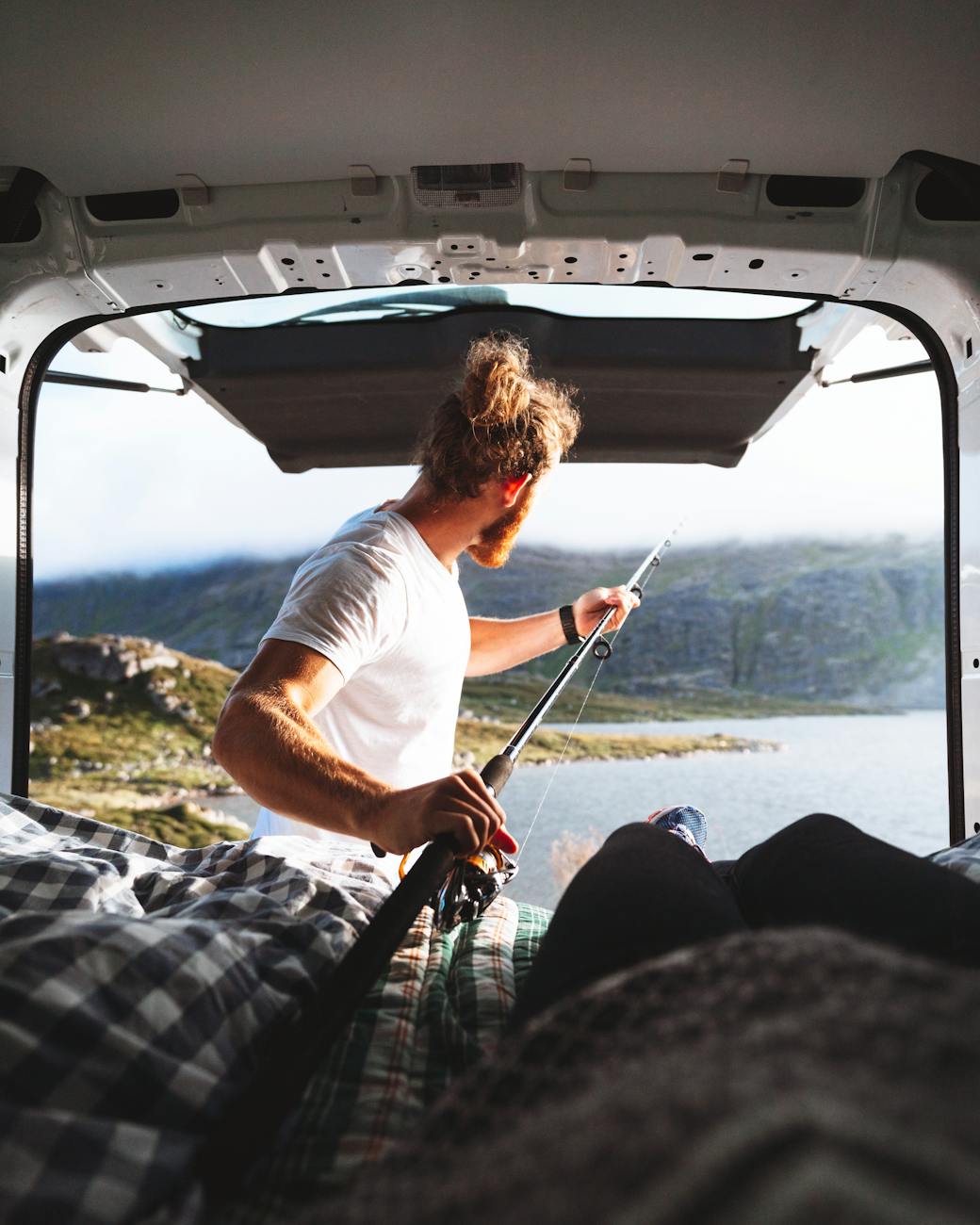
Introduction Have you ever dreamed of parking your RV in a remote, peaceful spot, surrounded by nature, with no one else in sight? If that sounds like your kind of adventure, boondocking might be perfect for you. Boondocking, also known as dry camping or off-grid…
Keep reading
The Minimalist’s Guide to RV Living: What to Pack and What to Leave Behind
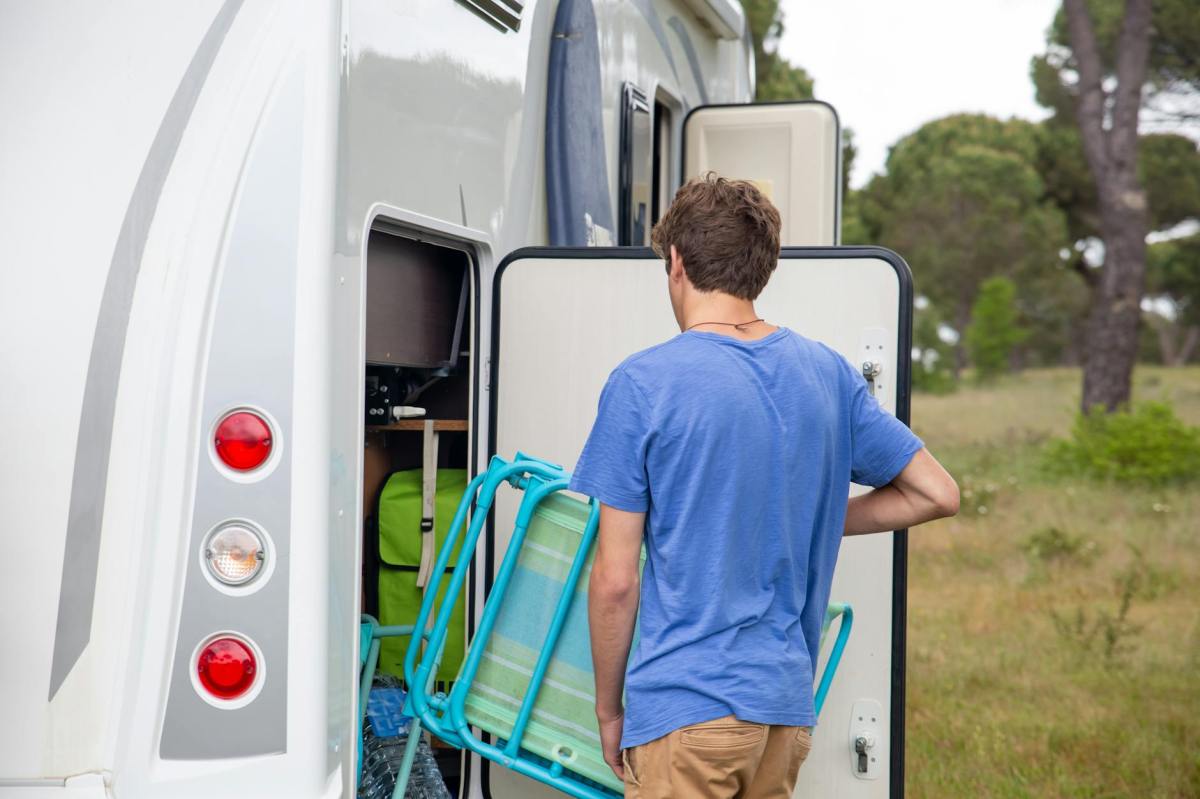
Living the RV life is an exciting adventure. It’s about freedom, exploring new places, and embracing a simpler way of living. But transitioning to RV life can feel overwhelming when it comes to deciding what to bring and what to leave behind. Don’t worry! This…
Keep reading

Top 10 RV Kitchen Gadgets to Make Cooking on the Road Easy
Introduction Cooking in an RV can be a fun adventure, but it also comes with its own set of challenges. Limited space, fewer appliances, and the need to conserve energy and water can make preparing meals a bit tricky. That’s why having the right kitchen…
Keep reading
20 Must-Have Outdoor Accessories for RV Enthusiasts
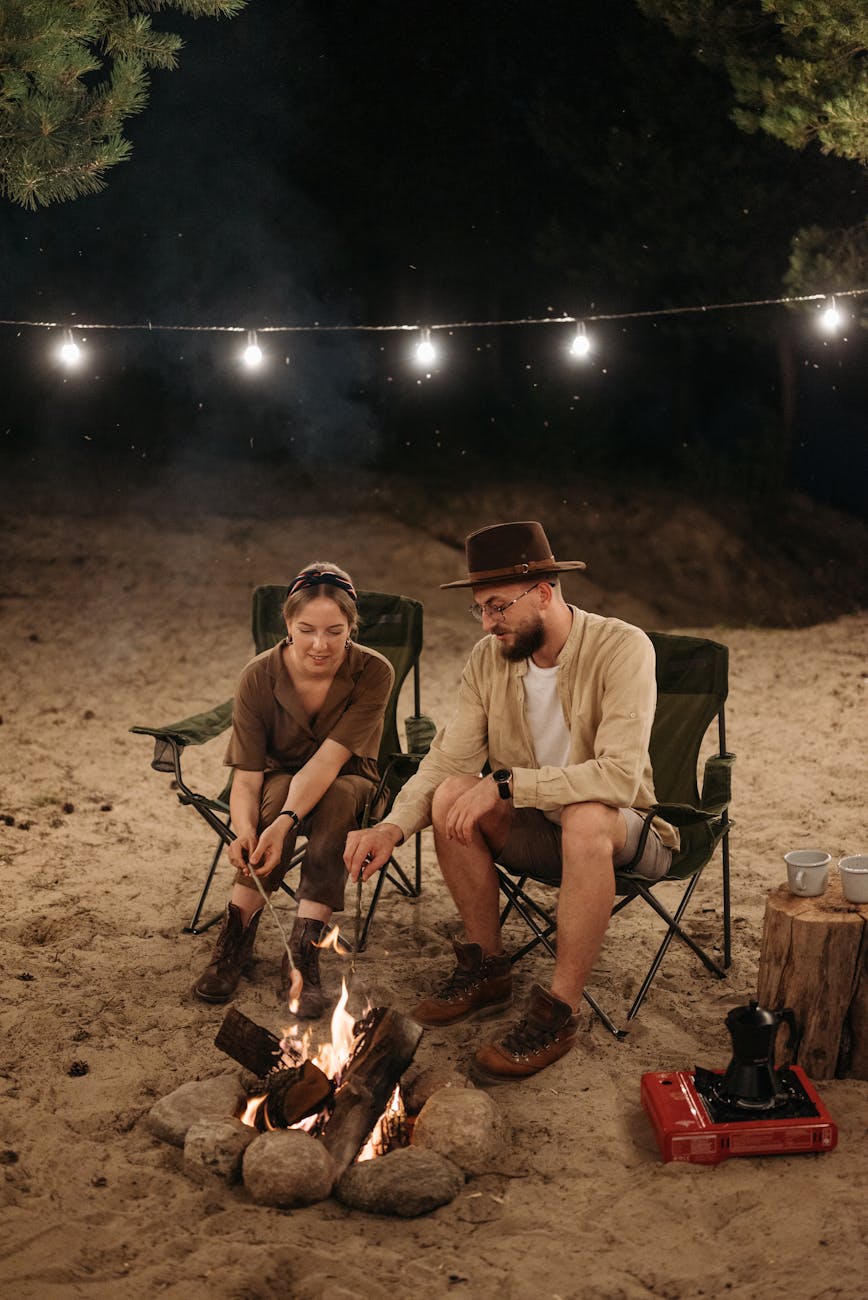
Introduction Life on the road is all about adventure, freedom, and making the most of the great outdoors. Whether you’re boondocking in the middle of nowhere or relaxing at a well-equipped RV park, having the right outdoor accessories can turn your experience from good to…
Keep reading

How to Stay Connected on the Road: Internet and Cell Service for RVers
Traveling in an RV is a wonderful way to explore the country, enjoy nature, and live a more flexible lifestyle. But whether you’re a full-time RVer or just taking an extended trip, staying connected to the internet and having reliable cell service is important. Whether…
Keep reading
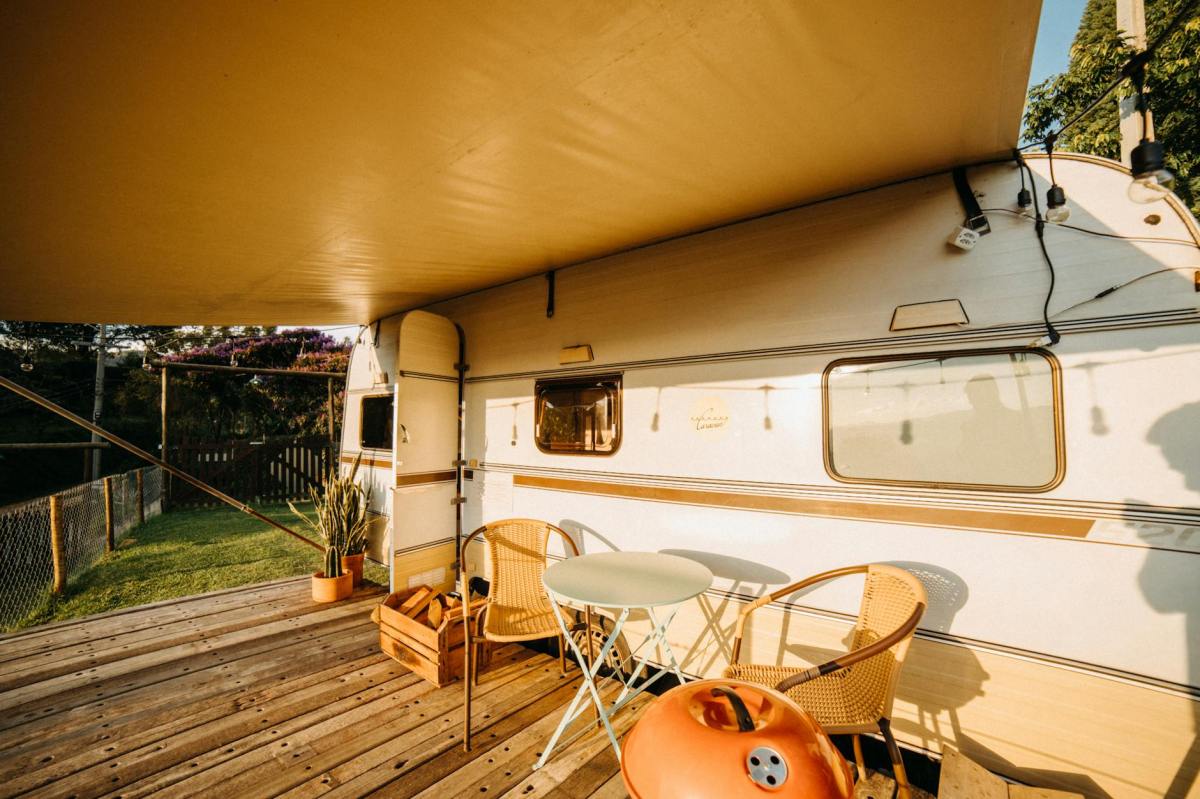
The Ultimate Checklist: 15 Must-Have Accessories for Every New RVer Before Hitting the Road
Introduction Starting your RV adventure is one of the most exciting decisions you can make! Whether you’re a weekend warrior or planning a full-time life on the road, having the right gear can make or break your journey. With so many gadgets, tools, and accessories…
Keep reading
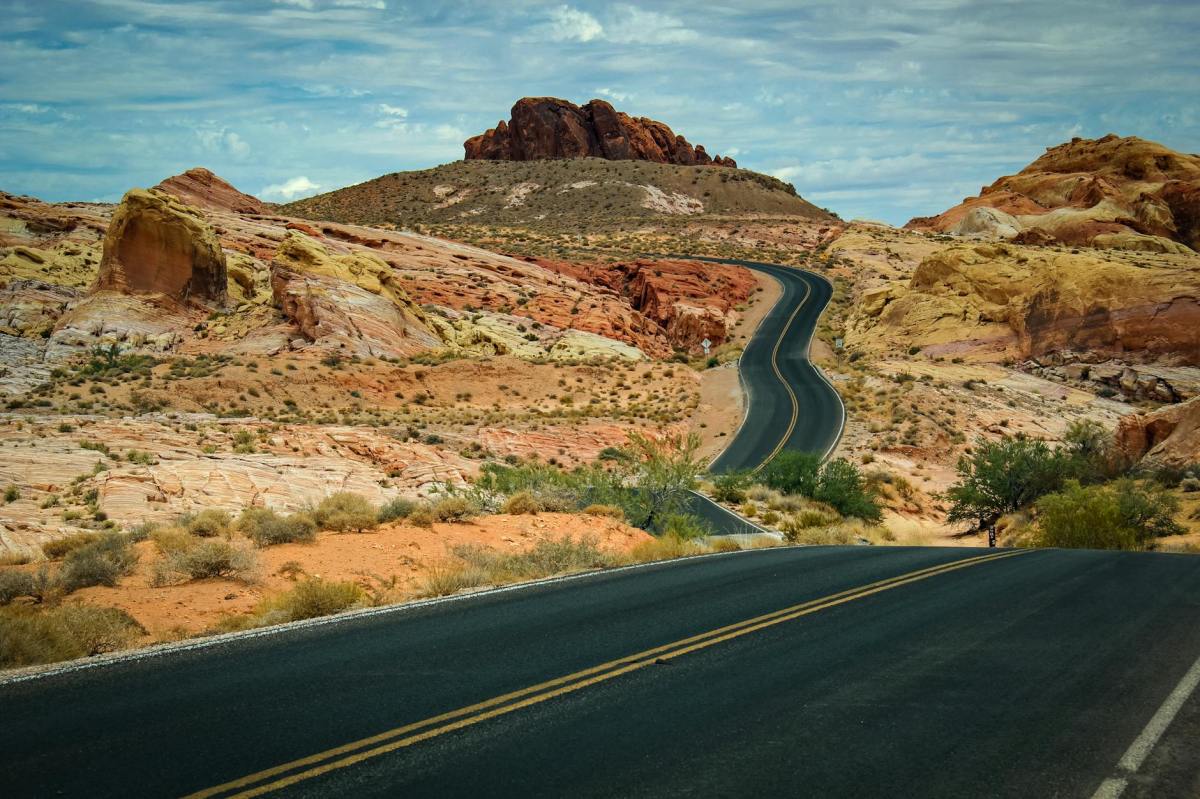
Bucket List RV Routes: Must-See Destinations for Travelers
Traveling the United States in an RV is the ultimate adventure. It gives you the freedom to explore breathtaking landscapes, discover hidden gems, and experience life on the road. Whether you’re a seasoned traveler or just starting your RV journey, some routes are absolute musts…
Keep reading

Explore America: Top Spots for RV Enthusiasts in Every Region
Introduction Traveling the U.S. in an RV offers unmatched opportunities to see incredible sights, meet new people, and embrace the open road. With every region of the country boasting unique attractions, your journey can be as diverse as the landscapes you encounter. Whether you crave…
Keep reading
 RV Ready or Not
Leave a comment