
When it comes to choosing where and how to live, the decision between RV living and traditional housing can feel like a big one. Each lifestyle offers its own unique benefits and challenges, and what works for one person might not work for another. If you’re trying to decide which path to take, let’s break it all down together in a simple, friendly way.
The Pros of RV Living
- Freedom to Travel: Imagine waking up to the sound of waves one morning and the sight of snow-capped mountains the next. RV living offers unparalleled freedom to explore the world on your terms. You’re not tied to one location, so you can chase good weather, visit family and friends across the country, or simply satisfy your wanderlust.
- Cost-Effective (Sometimes): While there are upfront costs to buying an RV, many find that overall expenses—like campsite fees and maintenance—can be lower than a mortgage or rent. Plus, you can save money by cooking your meals and avoiding hotel stays during your travels.
- Minimalist Lifestyle: RV living forces you to embrace minimalism. With limited space, you’ll focus on what truly matters and learn to live with less clutter. Many people find this decluttered way of life brings them more peace and simplicity.
- Community: RV parks and campgrounds are often filled with friendly, like-minded people. You might find yourself becoming part of a welcoming and adventurous community. From potlucks to campfire gatherings, it’s easy to build connections on the road.
- Closer to Nature: Love the great outdoors? RV living allows you to park near some of the most stunning natural landscapes, providing easy access to hiking, fishing, and other outdoor activities. You’ll feel more connected to nature and enjoy waking up to breathtaking views right outside your window.
The Cons of RV Living
- Limited Space: Let’s be real—living in an RV means significantly less space. Storage and privacy can be a challenge, especially for families. You’ll need to get creative with organization and learn to live with fewer possessions.
- Maintenance Challenges: An RV is a home on wheels, and just like a car or a house, it requires maintenance. From flat tires to plumbing issues, there’s always something that might need fixing. These repairs can be both time-consuming and costly if you’re not prepared.
- Unpredictable Costs: While RV living can be cost-effective, expenses like fuel, repairs, and campsite fees can add up quickly, especially if you’re traveling long distances. Budgeting carefully and planning ahead can help mitigate these unexpected costs.
- Weather Dependence: Extreme weather can make RV living uncomfortable. Heating and cooling an RV isn’t always as efficient as it is in a traditional home. Storms, heat waves, or freezing temperatures can pose real challenges.
- Connectivity Issues: If you’re working remotely or love streaming your favorite shows, unreliable internet connections at some campgrounds can be a hurdle. Investing in mobile hotspots and boosters can help, but it’s an added expense and effort.
The Pros of Traditional Living
- Space and Comfort: A traditional home offers more room to spread out, more privacy, and the comfort of stable utilities. You can furnish it to your taste, have multiple rooms, and enjoy the luxury of personal space, which is especially important for larger families.
- Predictable Routine: Living in one place means you can settle into a community, make lasting connections, and enjoy a predictable daily routine. From knowing your neighbors to having a go-to coffee shop, there’s comfort in familiarity.
- Investment Potential: Owning a home can be a great financial investment, offering potential equity and stability over time. As property values increase, your home can become a valuable asset and a source of financial security.
- Better Access to Amenities: From high-speed internet to local grocery stores, traditional living offers convenient access to modern comforts. You’re rarely more than a short drive away from schools, healthcare, and entertainment options.
- Easier for Families: With more space and community resources like schools and parks, traditional housing is often better suited for families with children. Kids can benefit from a stable environment and the opportunity to make long-term friends.
The Cons of Traditional Living
- Less Flexibility: Once you’re rooted in one place, it’s harder to pick up and move if adventure calls. Selling a home or ending a lease can be a lengthy and complex process.
- Higher Costs: Mortgages, property taxes, and utility bills can add up, making traditional living more expensive in the long run. Even renting can be a significant financial burden, especially in high-demand areas.
- More Responsibilities: Homeownership comes with its own set of maintenance and repair responsibilities that can be time-consuming and costly. From mowing the lawn to fixing the roof, the upkeep can feel never-ending.
- Environmental Impact: Larger homes often mean a bigger carbon footprint compared to a minimalist RV lifestyle. Heating, cooling, and maintaining a traditional home can consume more energy and resources.
- Routine Fatigue: For those with a wandering spirit, staying in one place might eventually feel confining. The monotony of a predictable routine may not suit everyone.
What to Consider Before Making a Decision
- Your Lifestyle Goals: Are you craving adventure and flexibility, or do you value stability and routine? Consider what truly makes you happy and fulfilled.
- Your Budget: Calculate the costs of both lifestyles, including hidden expenses like RV maintenance or property taxes. Understanding your financial situation can help guide your decision.
- Family Needs: If you’re traveling with kids or pets, think about what kind of environment will work best for them. Stability might be more important for some families, while others may thrive on the road.
- Work Situation: Will your job allow remote work if you choose the RV lifestyle? Ensure your income source aligns with your chosen living arrangement.
- Personal Preferences: Consider how much space and privacy you need to feel comfortable. Some people thrive in smaller, cozier spaces, while others need room to spread out.
Conclusion
Whether you dream of chasing sunsets in your RV or building memories in a traditional home, both lifestyles can be deeply fulfilling. It’s all about what aligns with your priorities and values at this stage in your life.
What about you? Are you leaning toward RV living, traditional living, or maybe even a mix of both? Let us know in the comments below—we’d love to hear your thoughts! Don’t forget to explore more of our articles for tips, stories, and inspiration about RV living and beyond.
RV Living 101: Your Ultimate Beginner’s Guide to Life on the Road
A beginner-friendly overview of RV living, covering essential topics like types of RVs, basic costs, and lifestyle adjustments. Introduction Have you ever dreamed of hitting the open road with the freedom to explore at your own pace, all while having your home with you? RV living offers that and so much more. Whether you’re planning…
Keep reading

What to Look for When Buying Your First RV: RV Buying Tips for Beginners
Buying your first RV is an exciting adventure, but it can also feel overwhelming. This RV buying guide is here to make your first RV purchase a smooth and informed experience. With so many types, features, and price points to choose from, how do you know where to start? This guide will help you navigate…
Keep reading
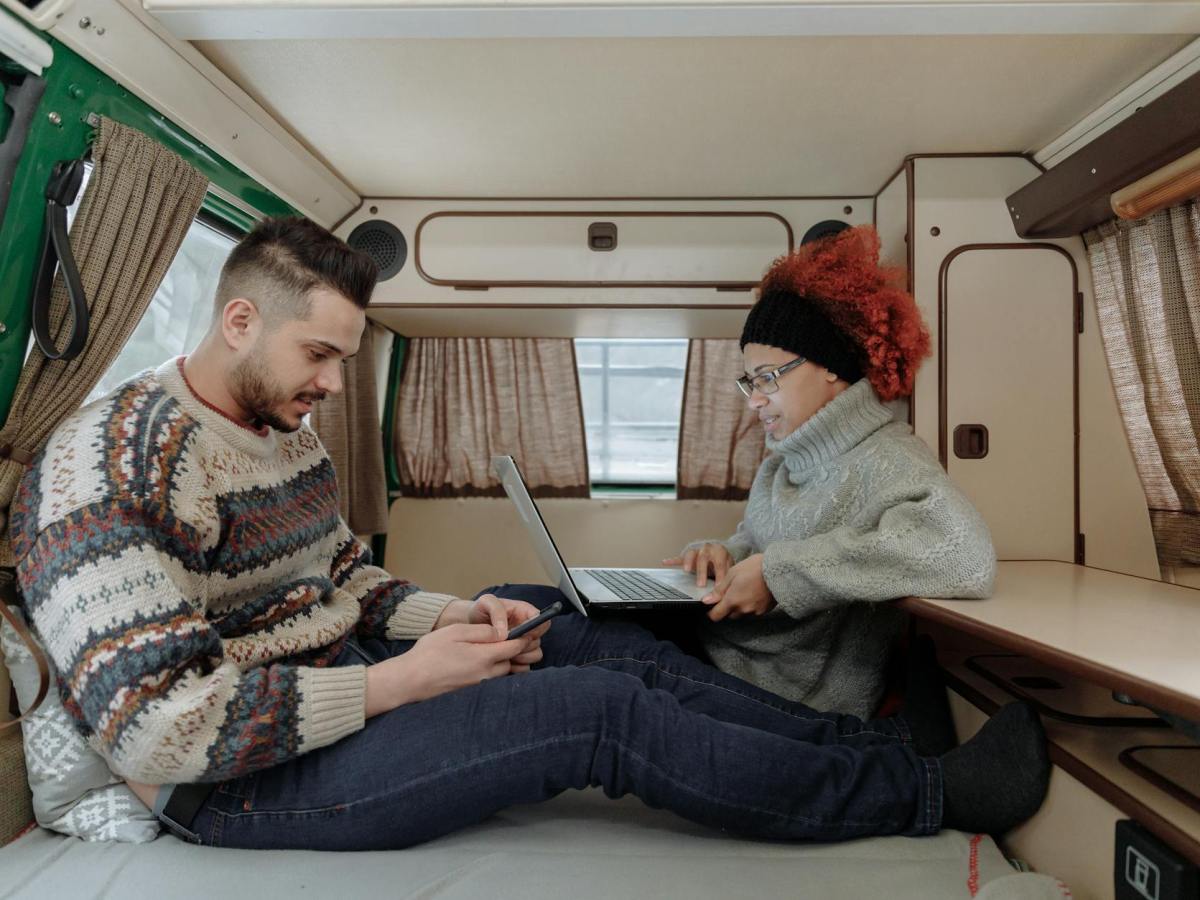
How to Stay Connected on the Road: Internet and Cell Service for RVers
Traveling in an RV is a wonderful way to explore the country, enjoy nature, and live a more flexible lifestyle. But whether you’re a full-time RVer or just taking an extended trip, staying connected to the internet and having reliable cell service is important. Whether it’s for work, keeping in touch with family and friends,…
Keep reading

How to Find the Best RV Campgrounds in the U.S.
If you love exploring the open road and experiencing nature up close, RV camping is one of the best ways to travel. With so many campgrounds across the United States, finding the perfect spot can feel a little overwhelming. Don’t worry—this guide will help you locate the best RV campgrounds that are scenic, affordable, and…
Keep reading

How Much Does RV Living Really Cost? A Breakdown of Monthly Expenses
General expenses such as fuel, insurance, maintenance, campground fees, food, and entertainment Living in an RV is a dream for many people. The freedom to travel wherever you want, the simplicity of living with less, and the adventure of waking up in new places are all big draws. But how much does it really cost…
Keep reading
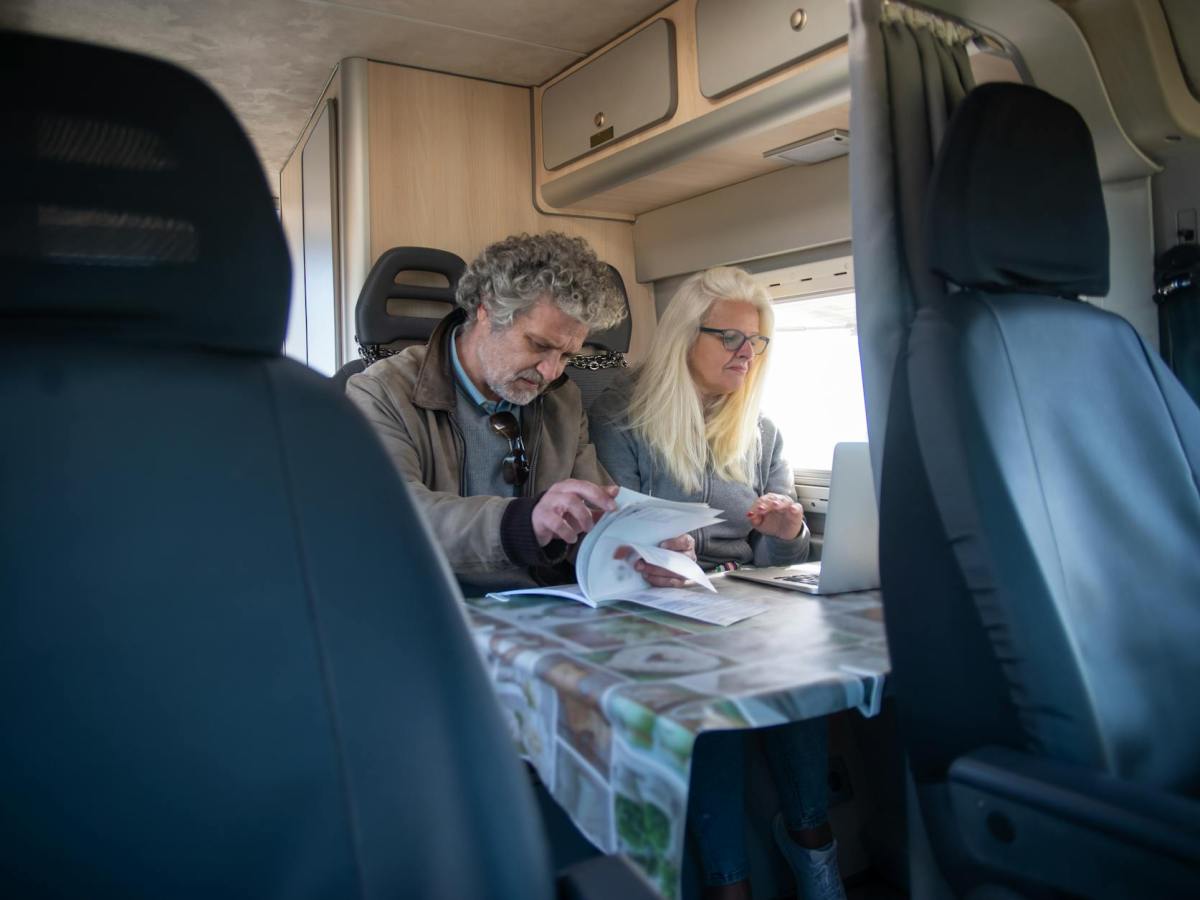
What It’s Like to Work Remotely From an RV: Tips for Digital Nomads
Introduction Imagine waking up to the sound of birds chirping, surrounded by a stunning view of mountains or a serene lake. For many, this is the dream—a lifestyle where work and adventure blend seamlessly. Working remotely from an RV has become a popular choice for digital nomads who want the freedom to travel while maintaining…
Keep reading

RV Community and Social Life: How to Make Connections on the Road
Introduction Life on the open road offers freedom, adventure, and breathtaking scenery. Yet, for many RV enthusiasts, one of the best parts of RV living is the sense of community. Whether you’re a full-time RVer or just hitting the road for an extended vacation, finding connections with like-minded travelers can enrich your journey in unexpected…
Keep reading
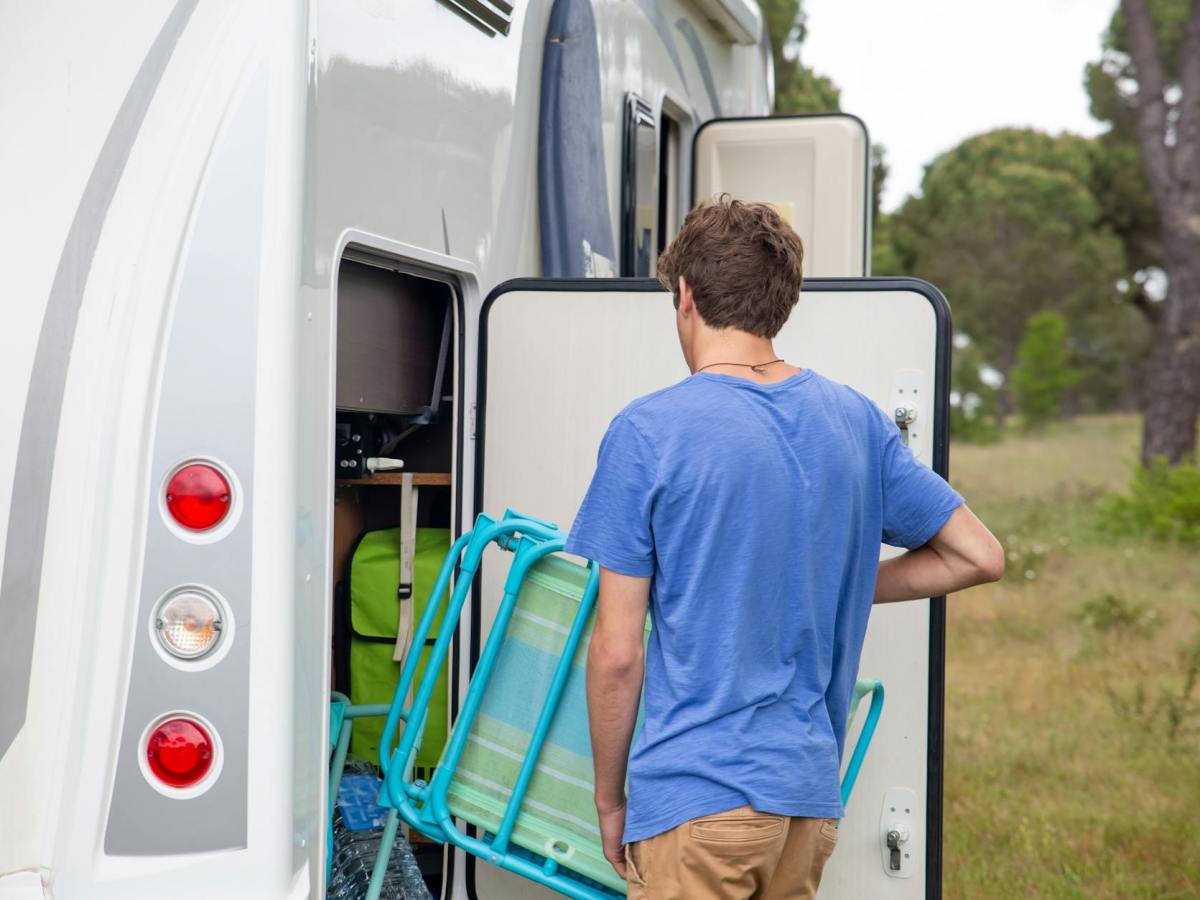
The Minimalist’s Guide to RV Living: What to Pack and What to Leave Behind
Living the RV life is an exciting adventure. It’s about freedom, exploring new places, and embracing a simpler way of living. But transitioning to RV life can feel overwhelming when it comes to deciding what to bring and what to leave behind. Don’t worry! This guide will help you pack like a pro and create…
Keep reading
 RV Ready or Not
Leave a comment