
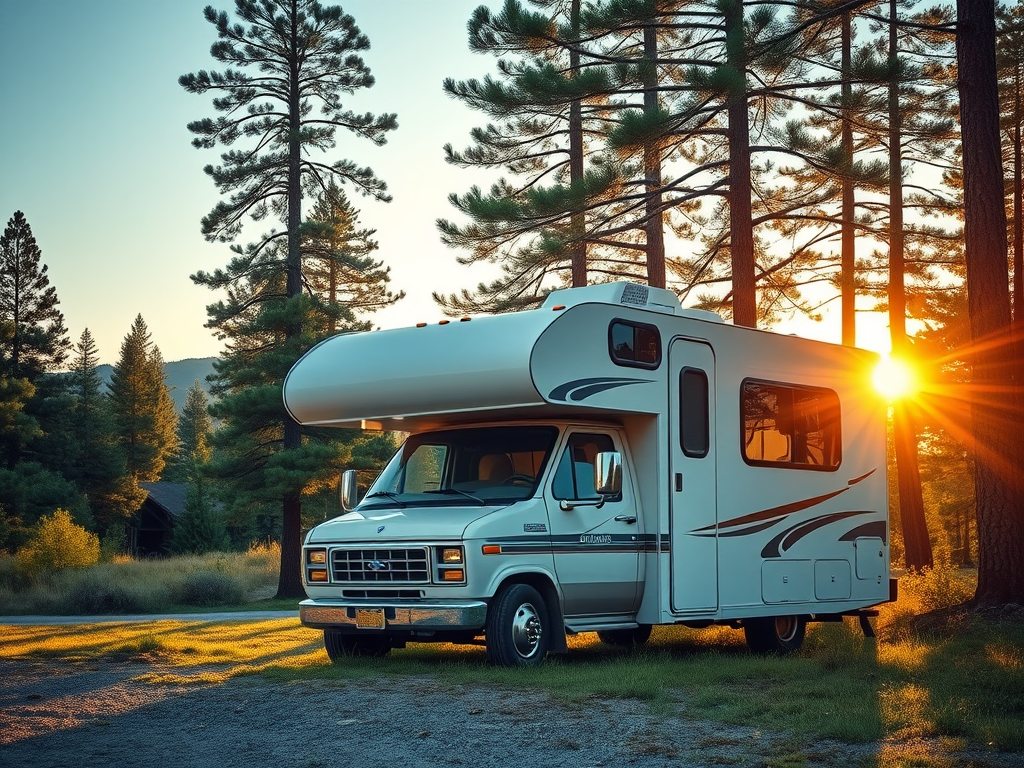
When it comes to hitting the open road, there’s nothing quite like the freedom an RV offers. Among the various types of recreational vehicles, Class C RVs stand out as a popular choice for families, couples, and even solo travelers. With their perfect blend of comfort, convenience, and maneuverability, these vehicles make exploring the great outdoors easier than ever. Let’s dive into what makes Class C RVs special and why they might be the right fit for your next adventure.
What Are Class C RVs?
Class C motorhomes are recreational vehicles that fall between the compact Class B camper vans and the spacious Class A motorhomes. They are easily recognizable by their distinct over-cab sleeping area, which often gives them a cozy and functional look. Built on a truck or van chassis, these RVs typically range from 20 to 33 feet in length, making them a manageable size for driving and parking.
Class C RVs come equipped with essential amenities such as a kitchen, bathroom, sleeping areas, and living space. Their thoughtful layout and design make them a great choice for travelers who want the comforts of home while exploring new places.
The Benefits of Class C RVs
1. Comfort and Space
Class C RVs are designed to provide a balance between comfort and practicality. The over-cab area is often used as an extra bed or storage, making it easy to maximize space. Most models feature a dining area, a kitchenette with appliances like a stove and refrigerator, and a bathroom with a shower. Depending on the size, you can find layouts with separate sleeping areas or even slide-outs to expand living space. These advantages of Class C RVs make them an appealing choice for families and groups.
2. Ease of Driving
Driving a Class C RV is simpler than maneuvering a larger Class A motorhome. Its size and design make it feel more like driving a truck or large van. This is especially helpful for beginners who may be nervous about handling a bigger vehicle. The cab’s design also provides excellent visibility and a comfortable driving experience. This ease of use is a major reason why many people choose Class C RVs for their travels.
3. Versatility
Class C RVs are incredibly versatile. They’re small enough to fit into most campgrounds and parking areas but large enough to accommodate families or groups. Many models also come with towing capabilities, so you can bring along bikes, a boat, or even a small car for day trips. Their versatility makes them suitable for a variety of travel scenarios, from weekend getaways to extended road trips.
4. Cost-Effective
Compared to Class A motorhomes, Class C RVs are generally more affordable. They also tend to have better fuel efficiency, saving you money in the long run. Additionally, their smaller size means fewer expenses for storage and maintenance. These cost advantages of Class C RVs make them an attractive option for budget-conscious travelers.
How to Select a Class C RV: Your Buying Guide
When picking a Class C RV, there are a few key factors to consider:
1. Size and Layout
Think about how many people will be traveling with you and what kind of layout works best. Class C RVs come in a variety of sizes, like we mentioned before, they typically range from 20 to 33 feet and some models go up to 40 feet. If you’re traveling solo or as a couple, a smaller model with a compact layout might be ideal. For families or larger groups, you’ll want to consider a bigger RV with multiple sleeping areas, such as bunk beds or a convertible dinette.
Some models feature slide-outs, which are sections of the RV that extend outward when parked to create extra living space. This can be a game-changer for those who need a bit more room to move around.
Storage is another important aspect. If you plan to travel with a lot of gear, look for models with ample interior and exterior storage compartments. This will help you keep your living space clutter-free and organized during your adventures.
2. Features and Amenities
Class C RVs come with a wide range of features that cater to various travel styles and preferences. The kitchen is often a highlight, equipped with larger refrigerators compared to Class B RVs, giving you more space to store fresh ingredients and beverages for extended trips. Many models include stoves, microwaves, and even ovens, making meal preparation a breeze.
Living areas can be outfitted with comfortable seating, including sofas that convert into beds and dinettes perfect for family meals or game nights. High-end models may feature leather upholstery and upgraded entertainment systems with flat-screen TVs and surround sound, ensuring you can relax in style after a day of exploring.
Bathrooms in Class C RVs typically include a shower, toilet, and sink, providing the convenience of home. Some luxury models even offer larger showers or separate toilet and shower areas for added comfort.
Climate control systems, such as air conditioning and heating, ensure you stay comfortable in any season. Many RVs also come with built-in generators and solar panel options, offering additional power sources for off-grid adventures.
Make a list of must-haves and nice-to-haves to narrow down your choices and find the perfect Class C RV for your needs.
3. New vs. Used
Buying a new RV gives you the latest features and a warranty, but it comes at a higher price. A used RV can be more budget-friendly, but make sure to inspect it thoroughly for wear and tear. For more tips on finding great deals, check out our blog post: How to Find the Best Deals on Used RVs: A Buyer’s Guide.

4. Budget
Set a realistic budget, including not just the purchase price but also ongoing costs like fuel, insurance, maintenance, and campground fees. Understanding your financial limits will help you make a smart decision.
Tips for First-Time Class C RV Owners: Driving and Travel Advice
- Practice Driving: Take your RV for a few practice drives before heading out on a long trip. Get comfortable with turns, parking, and using the mirrors.
- Plan Your Routes: Use RV-friendly navigation tools to find suitable roads and campgrounds. Avoid routes with low bridges or tight turns that might be challenging. Class C RVs typically have an average height of 10 to 12 feet, so it’s essential to check bridge heights. Main roads often have bridges around 13 to 15 feet high, but be cautious on secondary roads where bridges may be lower.
- Pack Smart: Stick to essentials and avoid overloading your RV. Use storage compartments wisely to keep things organized.
- Learn the Basics: Familiarize yourself with your RV’s systems, including water, electricity, and propane. Knowing how everything works will save you headaches on the road.
- Join the Community: Connect with other RV owners through online forums or local meet-ups. They can provide valuable advice and recommendations for your travels.
Conclusion
Class C RVs are a fantastic choice for anyone looking to embrace the RV lifestyle. They’re comfortable, easy to drive, and versatile enough to suit a variety of travel needs. Whether you’re exploring with family, friends, or on your own, a Class C RV can be your ticket to unforgettable adventures.
So, why wait? Start planning your next road trip and experience the joy of travel in a Class C RV. The open road is calling, and there’s no better way to answer than in the driver’s seat of one of these incredible vehicles.

 RV Ready or Not
Leave a reply to The True Cost of RV Fuel: How to Budget and Save on Gas – RV Ready or Not Cancel reply