
Traveling in an RV is a wonderful way to explore the country, enjoy nature, and live a more flexible lifestyle. But whether you’re a full-time RVer or just taking an extended trip, staying connected to the internet and having reliable cell service is important. Whether it’s for work, keeping in touch with family and friends, or streaming your favorite shows, having a good connection makes life on the road much easier. Let’s look at some of the best options for staying connected while traveling.
Why Staying Connected Matters
In today’s world, internet and cell service are essential, even for RVers who value getting away from it all. You might need to:
- Check maps and weather updates
- Attend work meetings or manage a remote job
- Keep in touch with loved ones
- Stream entertainment or relax with online hobbies
- Handle emergencies or make reservations on the go
The good news is there are many ways to stay connected on the road. The right solution for you will depend on your needs, budget, and where you plan to travel.
Options for Internet and Cell Service for RVers
Here are some of the most common ways RVers can stay connected:
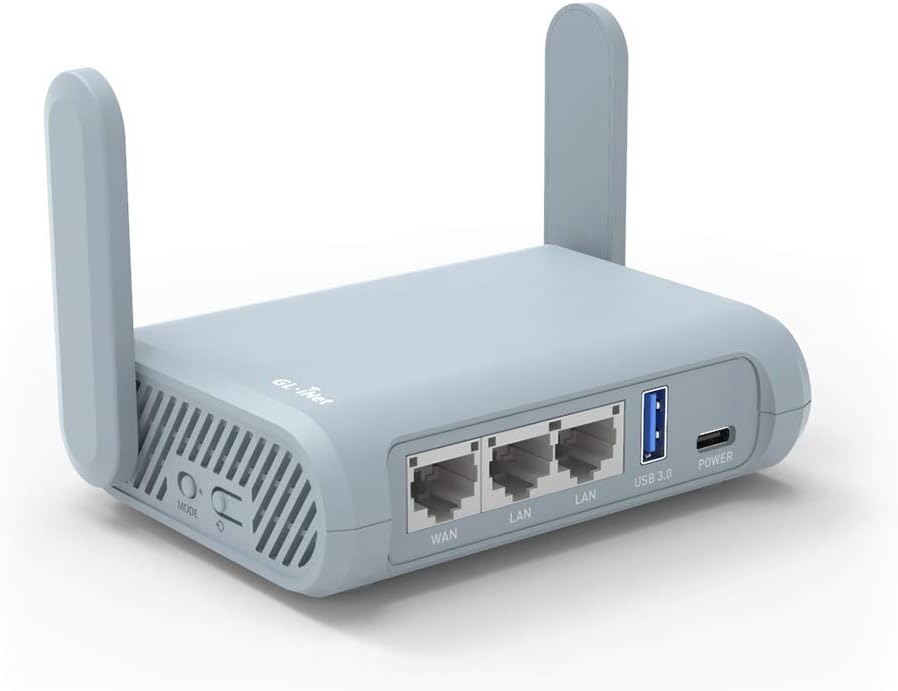
1. Mobile Hotspots for RVers
A mobile hotspot is a device that uses cellular data to provide internet access for your devices. Some smartphones also have a built-in hotspot feature. Here’s why mobile hotspots are a popular choice:
- Ease of Use: They’re simple to set up and work wherever there’s cell service.
- Affordable Plans: Many carriers offer dedicated hotspot plans, so you don’t have to share data with your phone.
- Portability: You can take them anywhere, and they’re small enough to fit in your pocket.
Pros:
- Reliable in areas with good cell coverage
- Supports multiple devices
- Reasonably priced
Cons:
- Limited by cellular coverage
- Data caps on some plans
Recommended products:

2. Cell Signal Boosters for RVs
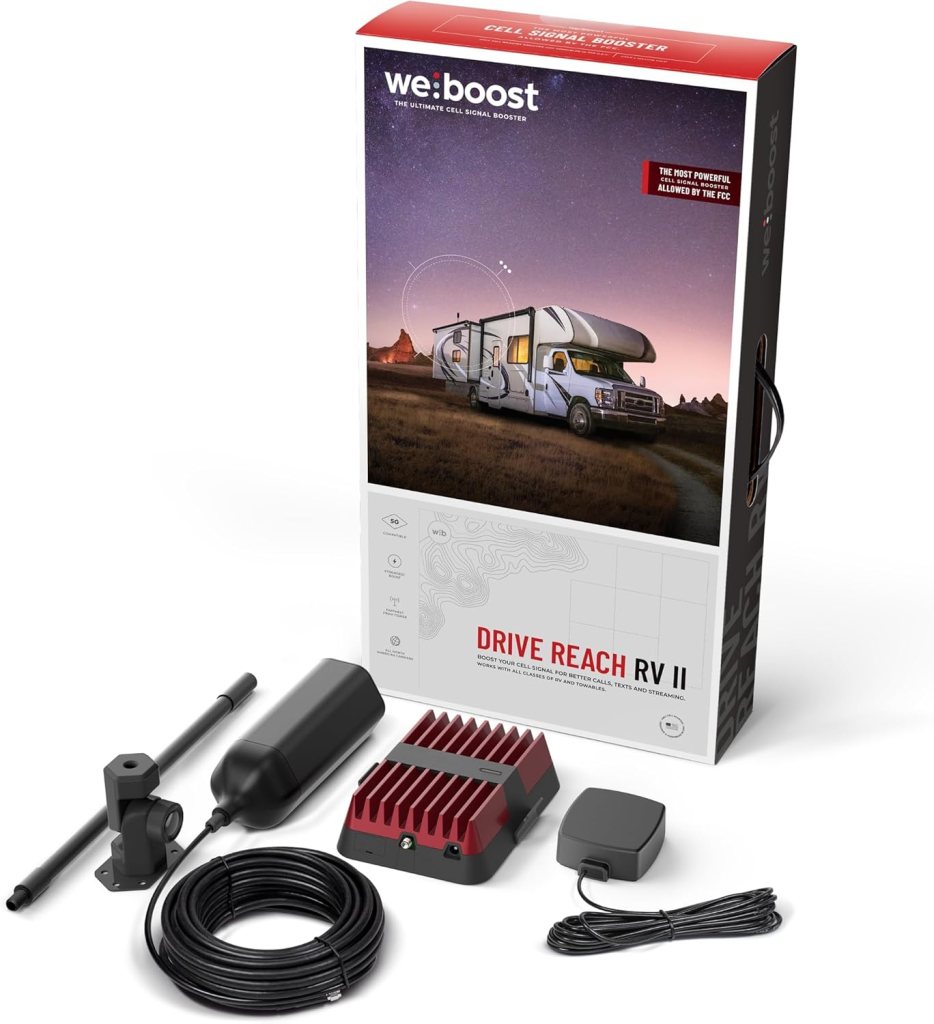
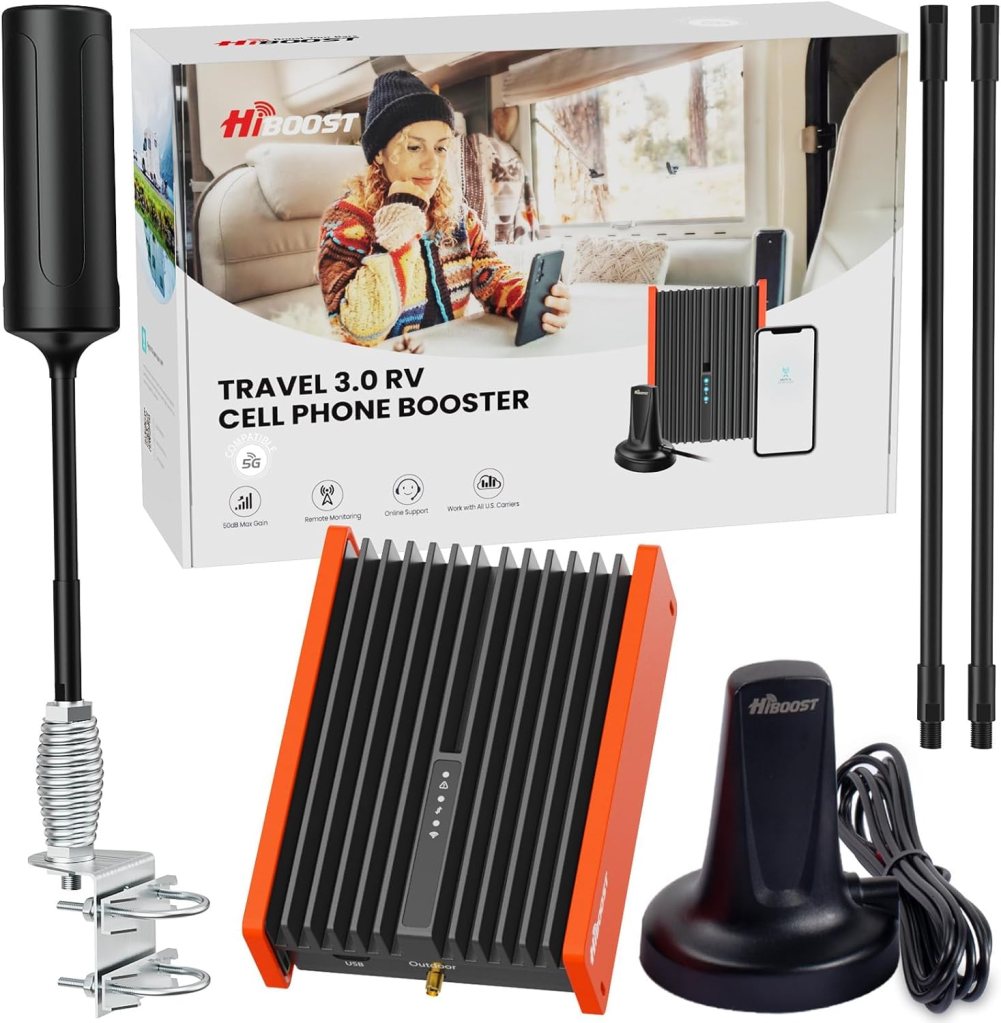
If you’re traveling in remote areas where cell coverage is weak, a signal booster can help. These devices amplify existing cell signals, making it easier to use your phone or hotspot.
Pros:
- Improves connectivity in low-signal areas
- Works with most major carriers
Cons:
- Can be expensive upfront
- Requires some setup in your RV
Recommended products:
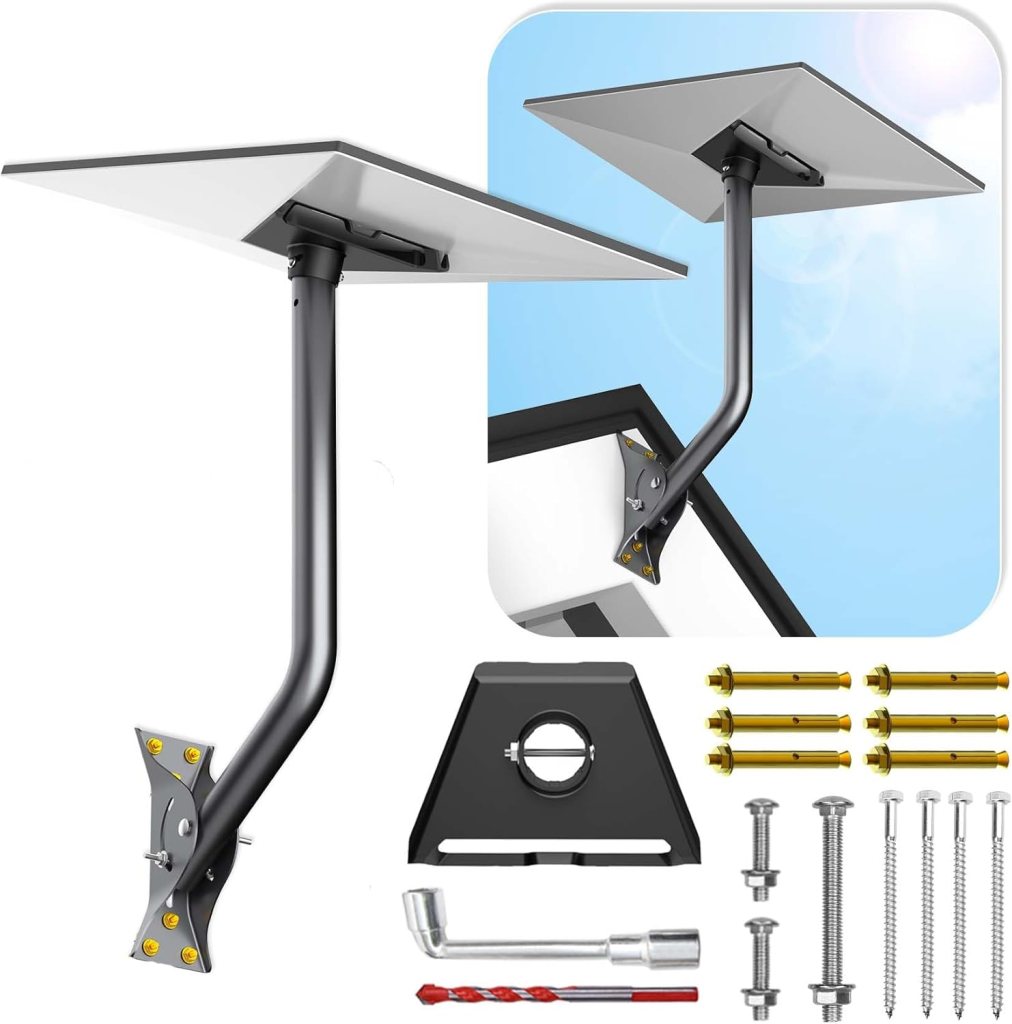
3. Satellite Internet for RVers
Satellite internet can provide coverage in areas where cellular networks don’t reach. This makes it a great option for RVers who plan to spend a lot of time off-grid or in rural locations.
Popular Options:
- Starlink RV: Offers high-speed internet with relatively simple setup, but it’s pricier than some alternatives.
- Traditional Satellite Providers: Companies like HughesNet or Viasat offer plans suitable for travelers.
Pros:
- Works almost anywhere
- Ideal for remote areas
Cons:
- Expensive equipment and plans
- Slower speeds and higher latency compared to cellular options
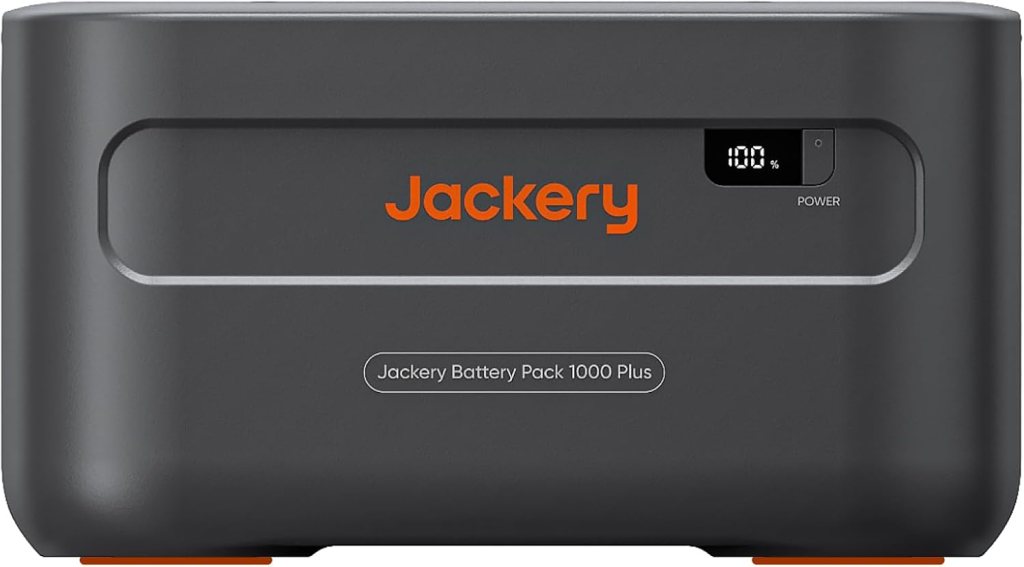
Recommended products:

4. Public Wi-Fi for RV Travelers
Another budget-friendly option is using public Wi-Fi hotspots. Many campgrounds, coffee shops, and libraries offer free or low-cost Wi-Fi. While convenient, this option comes with some downsides.
Pros:
- Often free or very affordable
- Available in many populated areas
Cons:
- Inconsistent speeds and reliability
- Potential security risks
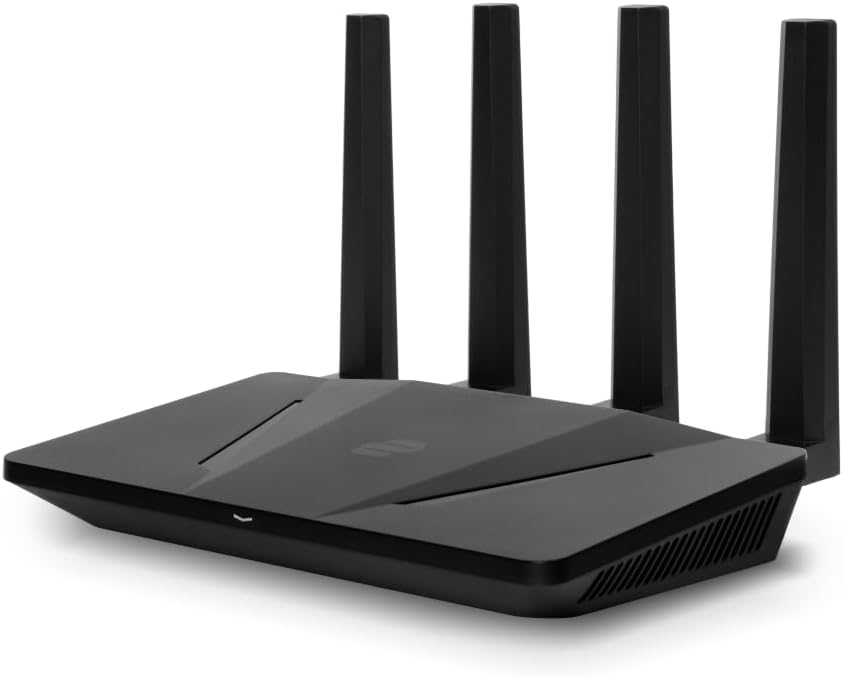
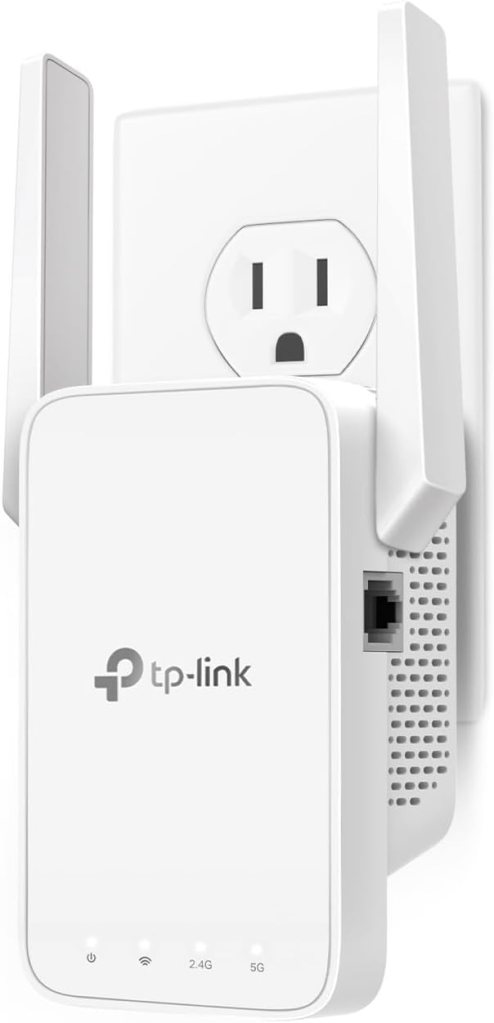
Recommended products:
5. RV Park and Campground Wi-Fi
Many RV parks offer Wi-Fi as part of their amenities. While convenient, the quality of these networks can vary greatly.
Pros:
- Included with your stay
- Easy to access
Cons:
- Overloaded networks during peak hours
- Limited range and speed
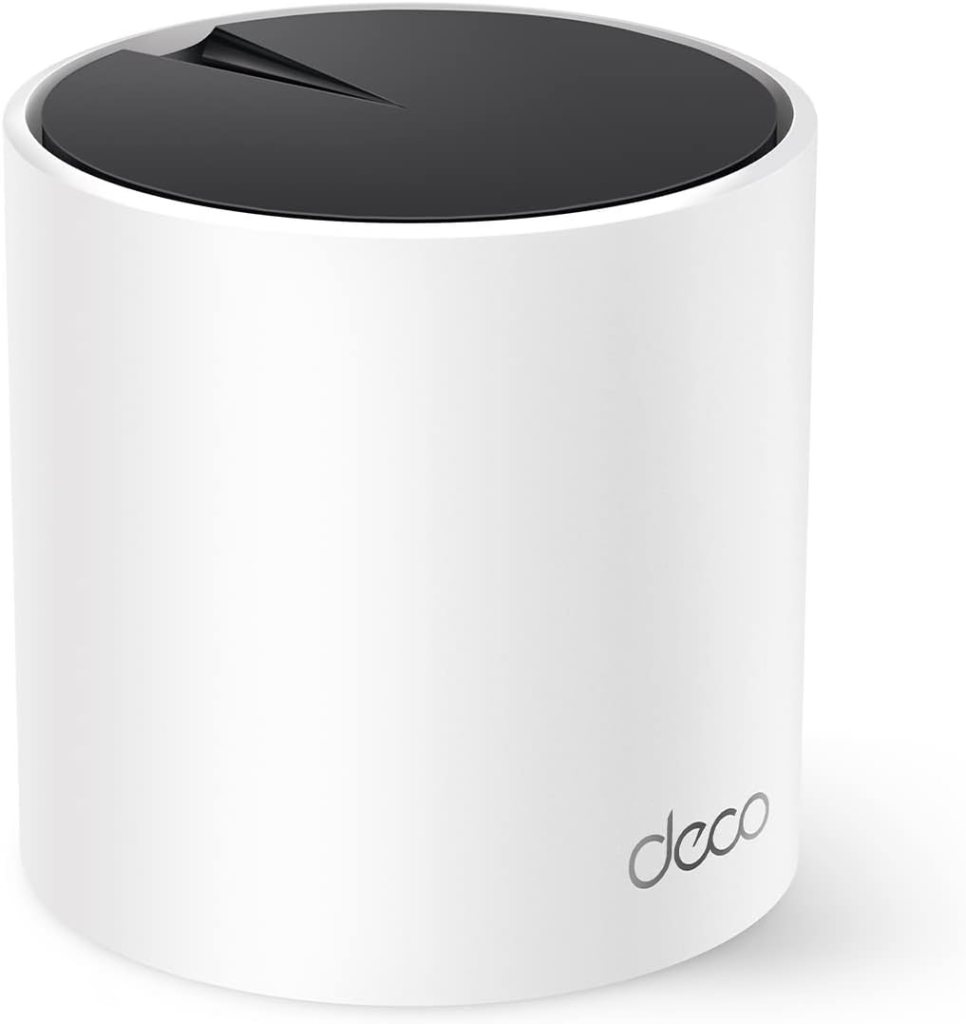
Recommended products:
Budget-Friendly Plans and Tips for Staying Connected
Staying connected doesn’t have to break the bank. Here are some tips for finding budget-friendly options:
Compare Cell Carriers for RVers
Not all cell carriers are created equal when it comes to coverage and price. Research which carriers have the best service in the areas you’ll be traveling. Popular carriers include Verizon, AT&T, and T-Mobile, all of which offer plans tailored for heavy data users or RVers.
Unlimited Data Plans for RV Internet
If you’re planning to rely on cellular internet, consider an unlimited data plan. Some plans include perks like prioritized data during congested times or the ability to use your phone as a hotspot.
Prepaid Plans for RVers
Prepaid plans can be a great way to save money. They’re often more affordable than postpaid contracts and let you pay only for what you use.
Avoid Overages
To avoid unexpected charges, keep track of your data usage. Many carriers offer apps to help you monitor your usage and adjust your plan if needed.
Use Free Wi-Fi Wisely
When using public or campground Wi-Fi, take steps to protect your information:
- Use a Virtual Private Network (VPN) to encrypt your data.
- Avoid accessing sensitive accounts, like online banking, over public networks.
- Download files, movies, or work documents ahead of time when you’re on a secure connection.
Choosing the Right Internet Option for RVers
The best solution for staying connected depends on your needs. Here are some scenarios:
- Casual Travelers: If you’re taking short trips and mostly stay in RV parks, campground Wi-Fi or a basic hotspot plan might be enough.
- Remote Workers: Those who need reliable internet for work should invest in a combination of a high-quality hotspot, an unlimited data plan, and possibly a signal booster.
- Off-Grid Adventurers: For remote areas, satellite internet is often the best (and sometimes the only) option.
- Budget-Conscious RVers: Use a mix of free Wi-Fi, prepaid data plans, and only invest in extras like boosters if necessary.
Conclusion
Staying connected on the road doesn’t have to be complicated or expensive. From mobile hotspots and signal boosters to satellite internet and campground Wi-Fi, there are solutions for every type of traveler and budget. Take the time to evaluate your needs and explore the options that work best for your lifestyle. With the right setup, you can enjoy all the benefits of RV life while staying connected to what matters most.
Disclosure: This post contains affiliate links. If you purchase through these links, we may earn a commission at no extra cost to you. The products mentioned here are recommended based on reviews, user feedback, and relevance to RVers’ needs. Thank you for supporting our content!

 RV Ready or Not
Leave a reply to The Pros and Cons of Full-Time RV Living – RV Ready or Not Cancel reply