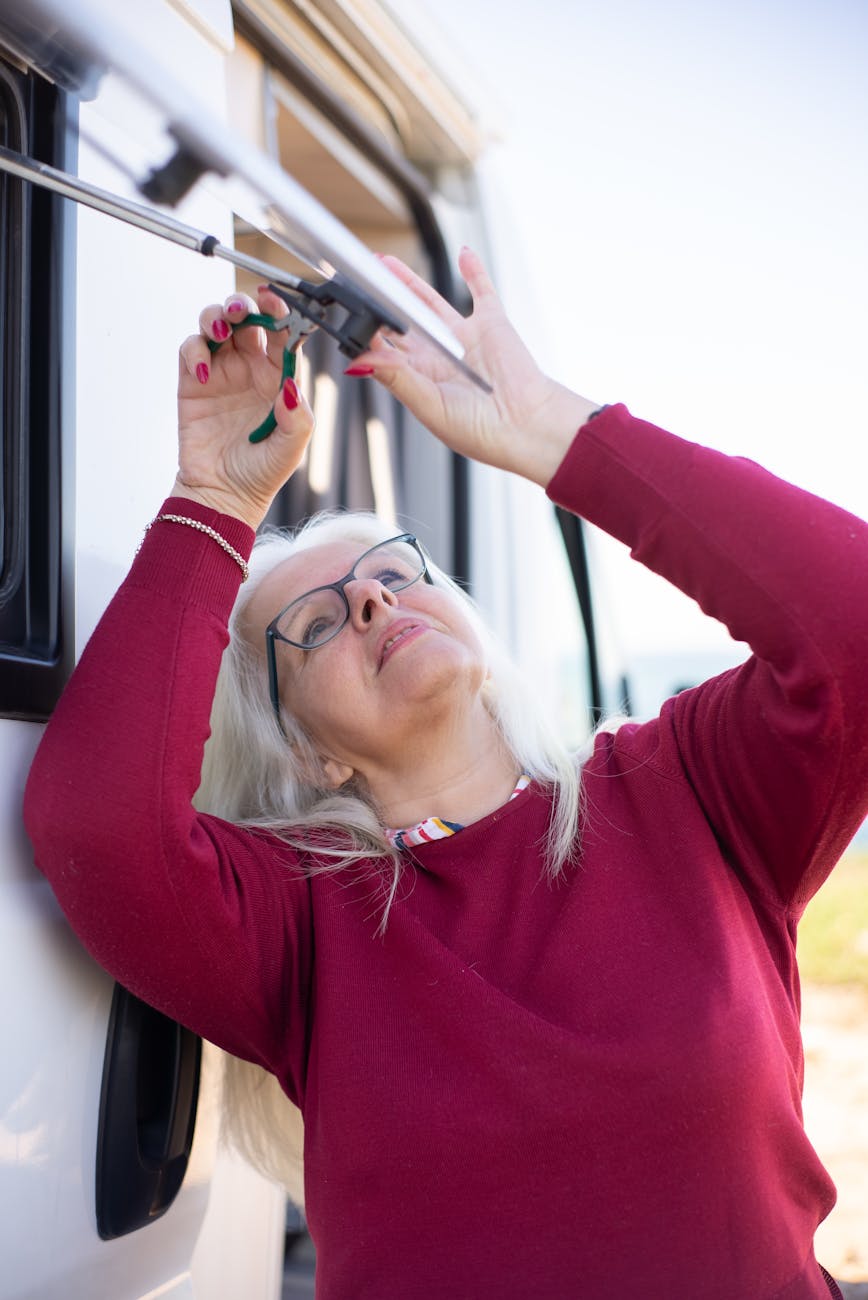
Owning an RV is a wonderful way to explore the great outdoors and enjoy the comforts of home while on the road. But like any vehicle or home, your RV requires regular maintenance to keep it in excellent condition. A well-maintained RV will not only give you peace of mind but also save you money on costly repairs in the long run. In this guide, we’ll combine insights and a comprehensive maintenance checklist to help you stay on top of routine checks, repairs, and seasonal preparations.
Introduction to RV Maintenance
RVs are a blend of vehicles and living spaces, so they require a unique combination of automotive and household care. Neglecting maintenance can lead to issues that may derail your travels or cause damage to your camper. Whether you’re a seasoned RVer or a newbie, having a reliable maintenance plan is essential. Regular care not only protects your investment but also ensures a safe and stress-free journey.
Common Repairs RV Owners Face
Every RV owner will face repairs at some point. Here are the most common ones:
1. Plumbing Issues
RV plumbing systems can be tricky. Leaky faucets, clogged drains, or issues with the water pump are common problems. Cold weather can also cause pipes to freeze, leading to costly damage if not addressed quickly.
2. Electrical Problems
Electrical issues can range from blown fuses to malfunctioning appliances. Solar panels, generators, and batteries also need regular checks to ensure they’re functioning correctly.
3. Roof Leaks
An RV roof is exposed to all kinds of weather, so leaks are inevitable over time. Regular inspections and resealing can help prevent significant damage.
4. Tire Wear and Tear
Tires are one of the most critical components of your RV. Keeping them inflated to the proper pressure and checking for signs of wear can prevent blowouts on the road.
5. HVAC System Troubles
Your heating and cooling systems need to be in good working order, especially during extreme weather. Filters should be cleaned or replaced, and the systems should be inspected annually.
Preventive Maintenance Tips
Preventive maintenance is the key to avoiding costly repairs. Here are some simple steps to keep your RV in top shape:
Routine Maintenance Checklist
- Inspect Tires
- Check Tire Pressure: Properly inflated tires improve fuel efficiency and safety. Use a tire pressure gauge to check before every trip.
- Look for Wear and Tear: Inspect for cracks, bulges, or uneven tread wear. Replace tires as needed, usually every 3-6 years.
- Tighten Lug Nuts: Ensure lug nuts are secure to avoid accidents.
- Test Batteries
- House Batteries: Check fluid levels and charge regularly. Clean terminals to prevent corrosion.
- Engine Battery: Test voltage and ensure it’s holding a charge. Replace if necessary.
- Check Fluids
- Engine Oil: Change oil and filter based on your RV’s manual recommendations.
- Transmission Fluid: Check levels and look for leaks.
- Brake Fluid and Coolant: Inspect levels and top up if needed.
- Generator Oil: Change generator oil after every 100 hours of use.
- Inspect Roof and Seals
- Check for Leaks: Inspect the roof, windows, and door seals for cracks or damage. Apply sealant to prevent water intrusion.
- Clean the Roof: Remove debris and clean to prevent wear.
- Service the HVAC System
- AC Units: Clean or replace filters. Test to ensure proper cooling.
- Heater and Furnace: Check vents for blockages and clean as needed.
- Plumbing System
- Check for Leaks: Inspect pipes, faucets, and connections.
- Sanitize Water Tanks: Flush and sanitize fresh water tanks every six months.
- Test Water Pump: Ensure it’s working efficiently.
- Electrical System
- Inspect Wiring: Look for frayed or damaged wires.
- Test Outlets and Appliances: Ensure everything is functioning.
- Replace Fuses: Carry spares and replace as needed.
- Brakes and Suspension
- Inspect Brakes: Check pads, rotors, and fluid.
- Check Suspension: Look for sagging or damage to springs and shocks.
- Exterior Maintenance
- Wash and Wax: Protect the paint and prevent rust.
- Inspect Lights: Test all exterior lights, including headlights, brake lights, and turn signals.
- Lubricate Hinges: Prevent squeaks and wear on doors and compartments.
- Interior Care
- Clean Upholstery and Surfaces: Vacuum and wipe down to maintain a fresh living space.
- Inspect Safety Devices: Test smoke and carbon monoxide detectors. Replace batteries as needed.
- Organize Storage: Ensure items are secured to prevent shifting during travel.
Seasonal Preparation Checklist
Spring
- De-Winterize: Flush antifreeze from plumbing and refill with fresh water.
- Check Tires and Batteries: Inspect after winter storage.
- Inspect Seals and Roof: Look for damage from winter weather.
Summer
- Test Cooling Systems: Ensure AC units are ready for hot weather.
- Stock Up on Supplies: Pack seasonal gear, sunscreen, and bug spray.
- Inspect Awning: Check for tears or damage and clean.
Fall
- Inspect Heating Systems: Ensure furnace and heaters are ready for cooler temperatures.
- Clean Gutters: Remove debris from any exterior gutters or channels.
- Store Summer Gear: Organize and store items you won’t need until next year.
Winter
- Winterize Plumbing: Drain water and add RV antifreeze to prevent freezing.
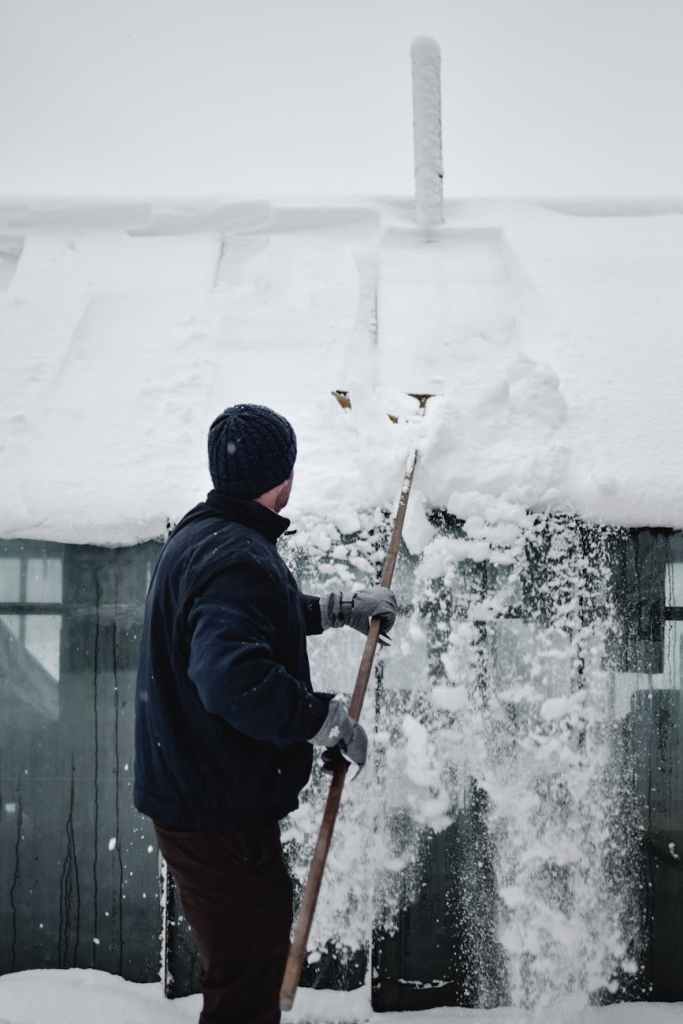
- Cover Your RV: Use a weatherproof cover to protect against snow and ice.
- Check Storage Area: Ensure the RV is parked on a level surface and protected from moisture.
How Much to Budget for RV Maintenance
The cost of RV maintenance can vary widely depending on the type and age of your RV. Here are some general guidelines:
- Annual Maintenance Costs: Expect to spend $500 to $1,000 per year on routine maintenance. This includes oil changes, inspections, and minor repairs.
- Emergency Repairs: Set aside an additional $1,000 to $2,000 for unexpected issues like plumbing or electrical problems.
- Upgrades and Replacements: Over time, you may need to replace appliances, tires, or even the roof. Budget for these larger expenses as they arise.
A good rule of thumb is to set aside 10% of your RV’s purchase price annually for maintenance and repairs. This helps you stay prepared for both routine and surprise expenses.
Repairs and Troubleshooting Tips
- Small Leaks: Use RV sealant to patch minor roof or window leaks.
- Electrical Issues: Test circuits with a multimeter. Replace fuses or reset breakers as needed.
- Plumbing Problems: Tighten loose connections or replace worn hoses.
- HVAC Malfunctions: Clean or replace filters. Consult a professional for more complex issues.
- Tire Blowouts: Always carry a spare and know how to change it.
For major repairs, consult a professional RV technician. Regularly addressing minor issues will help prevent costly breakdowns on the road.
Conclusion
Owning an RV is a rewarding experience, but it comes with responsibilities. Regular maintenance is essential to keep your RV running smoothly and ensure your adventures are safe and enjoyable. By following this comprehensive maintenance guide and checklist, you can extend the life of your RV and avoid many of the headaches that come with ownership.
Whether you’re preparing for a summer road trip or storing your camper for the winter, a little effort goes a long way in keeping your RV in excellent condition. Make maintenance a routine part of your RV lifestyle, and you’ll be ready for wherever the road leads. Happy travels!

 RV Ready or Not
Leave a reply to RV Living 101: Your Ultimate Beginner’s Guide to Life on the Road – RV Ready or Not Cancel reply