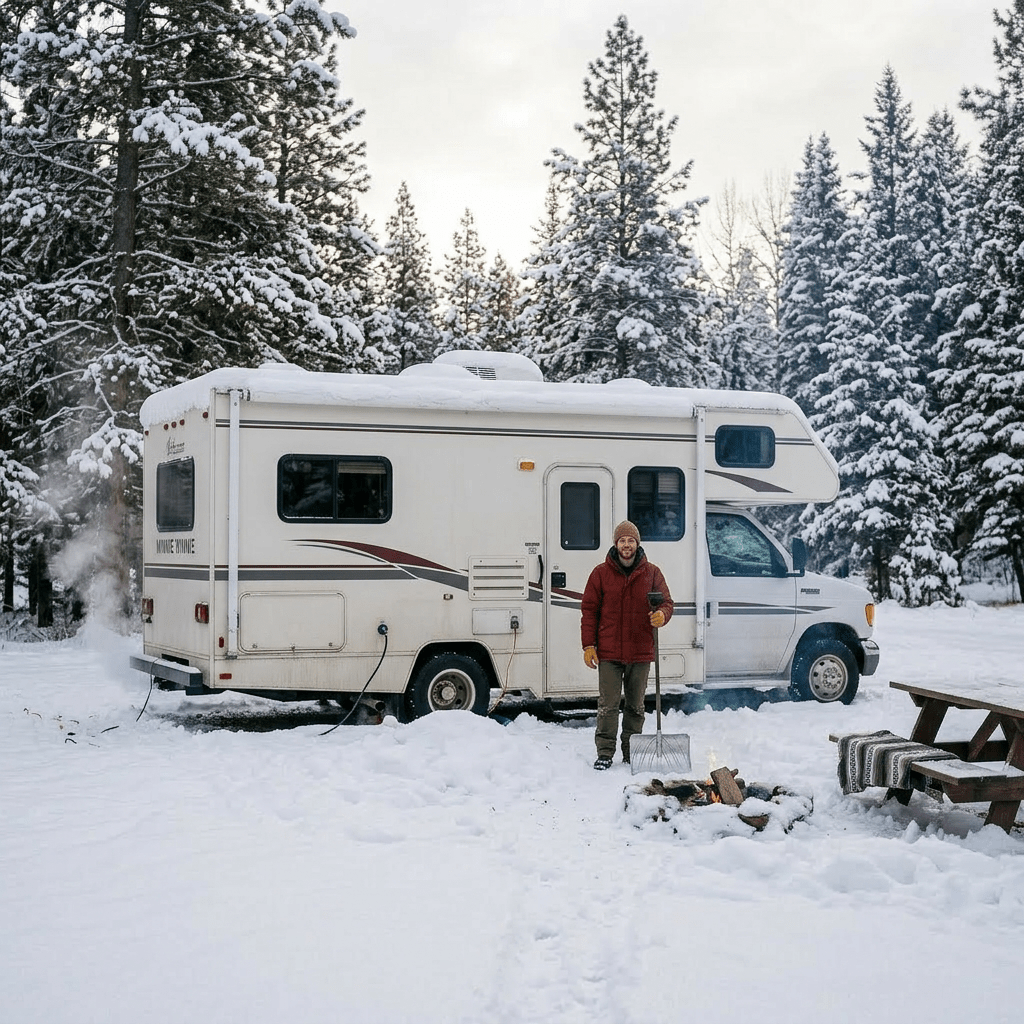
Winterizing your RV is one of those tasks that can feel a little intimidating at first — the thought of cold pipes, frozen lines, and cracked fittings is enough to make any RVer a bit nervous. Traditionally, antifreeze has been the go-to solution, but not everyone loves the idea of filling their plumbing with chemicals, especially when there’s a more natural alternative.
The good news is that winterizing without antifreeze is entirely possible. By focusing on proper draining and a few simple techniques, you can protect your RV’s plumbing from freezing without introducing any chemicals into your system. This method works especially well in milder climates or for RVs and vans with shorter, simpler water lines.
In the steps that follow, you’ll see how easy it can be to prepare your RV for cold weather, keeping your plumbing safe and ready for the next season — all without antifreeze.
Step 1: Drain the Fresh Water Tank
The first step is simply getting the water out. Open your fresh tank drain and let gravity do the work until the tank is empty. Even a slight tilt to the RV can help any remaining water move toward the drain.
Step 2: Drain the Water Heater
Turn off your water heater and allow it to cool completely. Open the pressure relief valve and remove the drain plug or anode rod to release all water from inside. This step removes the bulk of the water that could otherwise freeze and cause damage.
Step 3: Switch the Water Heater to Bypass
Most RVs have a bypass valve to prevent air or fluids from entering the water heater. Flip it to “bypass” so when you blow air through the system in the next step, it only moves through the main plumbing lines.
Step 4: Open All Faucets and the Toilet Valve
Inside your RV, open every faucet — hot and cold — including sinks, the shower, and outdoor spigots. Hold the pedal on the toilet to open that valve. This allows all remaining water to escape and gives air somewhere to travel in the next step.
Step 5: Blow Out the Lines with Compressed Air
A small air compressor and a blow-out plug make this step straightforward. Connect the blow-out plug to your city water inlet and set your compressor to around 30–50 PSI.
Go fixture by fixture: open each faucet and let air push out any remaining water. You’ll see water sputter at first, then taper off until only air comes out. Repeat for the shower, outdoor spigot, and toilet line.
Suggested tools (affiliate links):
- Camco Brass Blowout Plug — fits most RVs
- CRAFTSMAN 6-Gallon Pancake Air Compressor — small, easy to handle, and perfect for this job
Step 6: Protect P-Traps and Toilet Seal
Even after draining and blowing out lines, P-traps under sinks and in showers still hold small amounts of water. A safe, non-toxic option is vegetable glycerin, which lowers the freezing point without the harshness of antifreeze.
Suggested product (affiliate link):
Add a small amount to each drain and the toilet bowl if your seal needs moisture. Alternatively, if accessible, you can remove the P-traps and empty them manually.
Step 7: Extra Protection for Vulnerable Lines (Optional)
Pipes near exterior walls or in colder compartments can be wrapped with foam insulation or reflective insulation wrap to buffer against sudden temperature drops. If shore power is available, a small ceramic heater can keep the interior just warm enough to protect plumbing further.
Optional products (affiliate links):
- Foam pipe insulation sleeves
- Reflective insulation wrap
- Honeywell UberHeat Ceramic Heater— small, safe, and energy-efficient
Step 8: Final Check
Before finishing, go through all faucets, the shower, outdoor spigots, and the toilet to make sure no water remains. Double-check low-point drains and any extra lines like fridge or washer hookups. When everything is clear, your RV is winterized without any antifreeze — safe, clean, and ready for colder weather.
Once you’ve worked through the steps, you’ll feel much more confident heading into the cold season. It’s a simple process that keeps things natural and gives you peace of mind without relying on chemicals.
If you have tips you like to use or questions about any part of the process, feel free to share them in the comments. And if you enjoy posts like this, you can always explore more RV and van-life guides here on the blog. There’s always something new to make life on the road easier and more enjoyable.
10 Beautiful Roads That Can Become an RV Driver’s Worst Nightmare (and the Safer Routes to Take Instead)
Some of America’s most beautiful roads can also become an RV driver’s biggest challenge. Explore 10 roads that catch RVers off guard, plus safer alternatives and tips to help you travel with confidence.
Keep reading
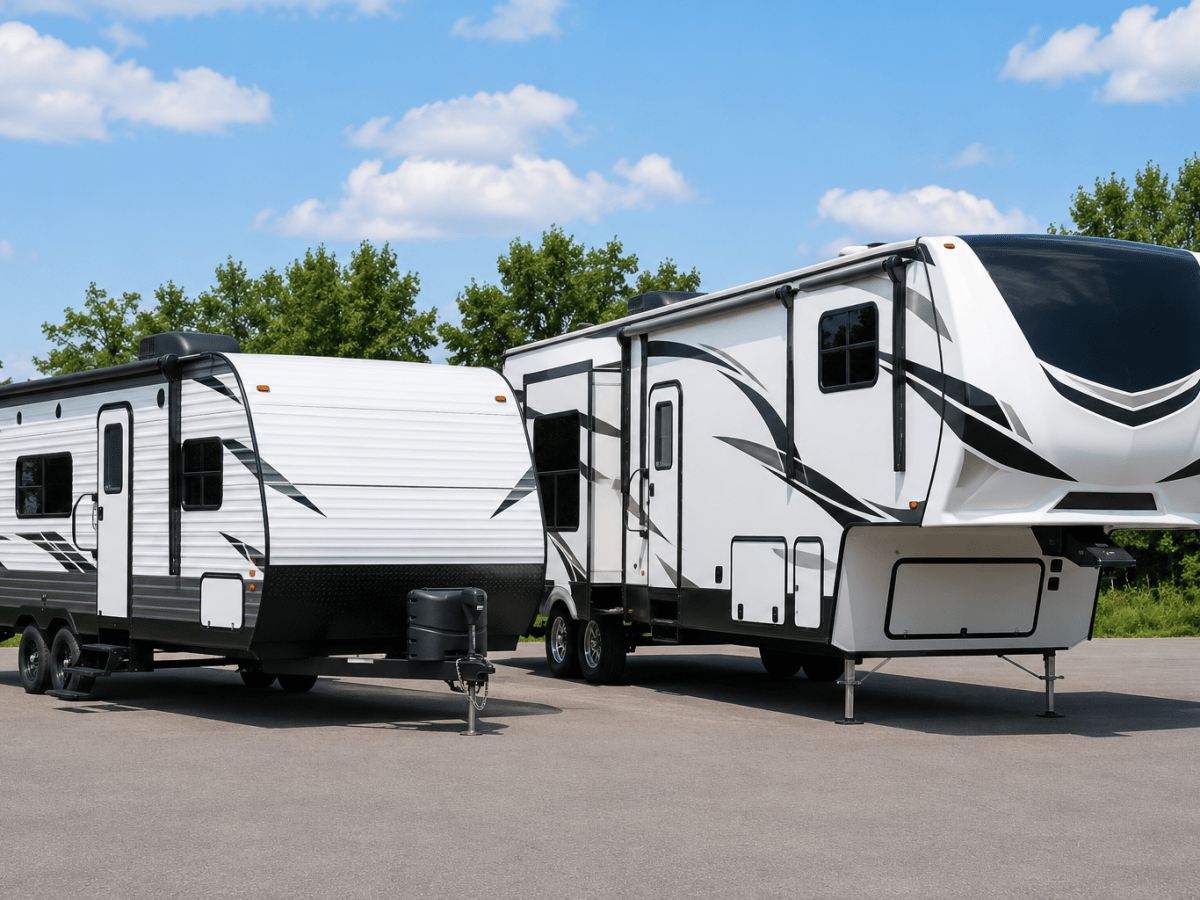
5th Wheel vs Travel Trailer Towing Comparison: Which Is Easier to Tow?
Trying to decide between a 5th wheel and a travel trailer? While both offer great ways to explore the RV lifestyle, they differ significantly when it comes to towing, stability, cost, and overall comfort. In this guide, we’ll compare 5th wheels and travel trailers side by side, covering everything from crosswinds and backing up to…
Keep reading
Best RV Membership Clubs in 2026: Which Ones Are Actually Worth the Money?
Wondering which RV membership clubs are actually worth the money? This guide compares Good Sam, Thousand Trails, Harvest Hosts, Escapees, Passport America, KOA Rewards, and Boondockers Welcome, explaining how each program works, who it’s best for, and how much you could potentially save on your RV travels.
Keep reading
Small but Mighty: Best Houseplants for Cleaner Air & Better Focus in Your RV
Living in an RV or camper comes with its own unique challenges — limited space, shifting sunlight, and air that can get stale on the road. But even a tiny touch of greenery can transform your rig, helping freshen the air, boost focus, and bring a sense of calm to your rolling home. In this…
Keep reading
Best National Parks for RVing in the Midwest
The Midwest is home to some of the most unique and breathtaking national parks, offering a mix of rugged landscapes, lush forests, and scenic waterways. If you love RVing and exploring the great outdoors, these parks provide excellent campgrounds, incredible wildlife, and plenty of adventure. Here are the best national parks for RVing in the…
Keep reading


Leave a Reply